
Table of Contents
Best Yoga Classes in Chennai for Beginners: Complete Guide
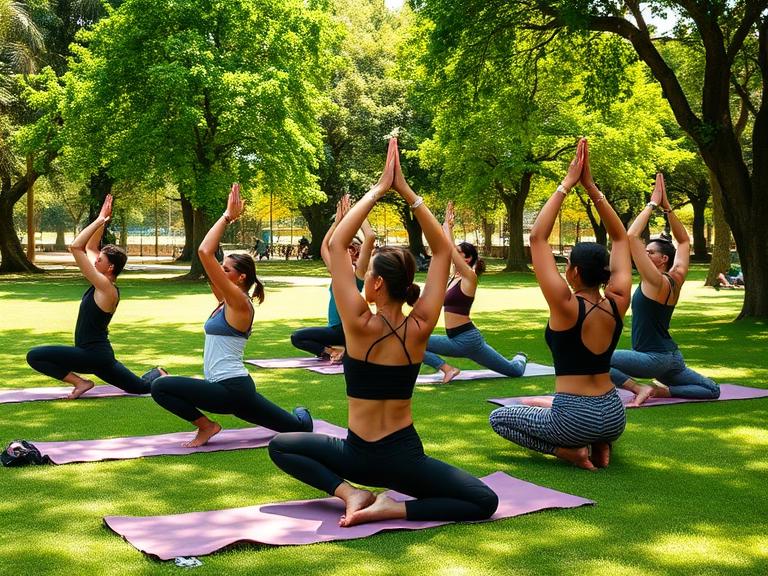
Finding the right yoga classes in Chennai for beginners depends on individual lifestyle preferences, schedule constraints, and wellness goals. The city features a diverse wellness ecosystem comprising traditional lineage-based institutes, modern indoor boutique studios, flexible virtual programs, and refreshing open-air environments. For individuals seeking foundational instruction, established indoor academies offer structured introductory batches, while specialized women’s centers provide dedicated wellness programs. Additionally, modern lifestyles have popularised hybrid options; in Chennai, options such as Outdoor Yoga Chennai offer structured outdoor and online yoga sessions for different needs, allowing newcomers to build a sustainable, safe, and holistic personal practice.
Why Yoga Is Popular in Chennai
The coastal capital of Tamil Nadu has long maintained a deeply rooted connection to classical wellness practices, self-care, and holistic health. In recent years, the popularity of regular yoga practice across the metropolitan area has surged significantly due to a combination of environmental, occupational, and cultural shifts.
Managing Urban Stress and Demands
As a major industrial, technology, and economic hub, the city presents a fast-paced urban lifestyle that frequently contributes to heightened stress levels, sedentary routines, and work-related fatigue. Working professionals in areas such as the OMR IT corridor, industrial zones, and commercial banking sectors increasingly turn to mind-body practices to establish psychological balance, alleviate muscular tension, and counter the physical strains of prolonged desk work.
Adapting to the Coastal Climate
The tropical, humid climate of the region plays an inherent role in shaping local fitness choices. Heavy, high-intensity gym workouts can occasionally feel draining during peak summer months. Yoga offers a highly adaptable alternative. It allows practitioners to regulate internal body temperature, cultivate respiratory efficiency through pranayama, and build physical endurance without overtaxing the nervous system.
A Confluence of Tradition and Modern Wellness
The local population holds a profound respect for authentic, lineage-based knowledge systems. This cultural reverence seamlessly merges with contemporary urban wellness trends. Today’s residents view yoga not merely as a physical exercise routine, but as a preventative healthcare mechanism, a mental grounding tool, and an essential component of a balanced life.
Types of Yoga Classes Available in Chennai
The local wellness landscape is highly inclusive, ensuring that individuals of all fitness levels, ages, and backgrounds can access specialized instruction. Beginners can choose from several distinct training formats:
- Studio-Based Yoga: Traditional indoor classrooms and modern boutique studios provide a highly controlled, quiet environment. These spaces utilize specialized lighting, props such as blocks and bolsters, and dedicated meditation zones to help newcomers focus entirely on alignment and breathwork away from urban distractions.
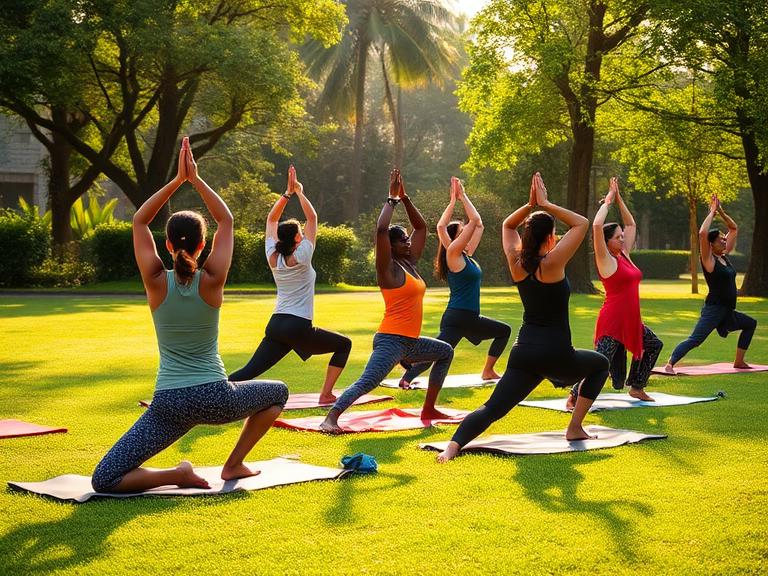
- Outdoor Yoga: Utilizing the city’s natural geography, open-air sessions take place in peaceful green spaces, coastal areas, and quiet terraces during the cooler early morning or late evening hours. Practicing in an open-air setting enhances oxygen intake, fosters a deeper connection with nature, and offers a refreshing alternative to enclosed, air-conditioned rooms.
- Online Yoga Classes: Virtual interactive sessions and live-streamed modules have become incredibly popular among busy professionals, frequent travelers, and home-makers. These programs offer maximum time flexibility, eliminate commuting stress, and allow individuals to learn at their own pace in the comfort of their homes.
- Yoga for Women: Tailored programs focusing specifically on female anatomical and physiological needs are widely available. These classes offer targeted support for prenatal care, postnatal recovery, hormonal balance, and pelvic floor strengthening in safe, supportive group settings.
- Beginner-Friendly Programs: Specifically curated slow-paced introductory courses focus heavily on fundamental joint loosening movements (Pawanmuktasana series), gentle stretching, basic standing postures, simple breathing techniques, and conscious relaxation methodologies to prevent injury and build initial confidence.
What to Look for in a Good Yoga Class or Institute
Selecting an appropriate training center is crucial for beginners to ensure a safe, rewarding, and long-term journey. When evaluating local options, consider the following structural and professional criteria:
Instructor Credentials and Experience
An exceptional beginner program requires teachers who possess certified, accredited qualifications from recognized universities or international yoga alliances. Instructors must demonstrate a deep understanding of human anatomy, sequencing, modifications, and safety protocols to guide unconditioned muscles and stiff joints correctly.
Structured Progression for Newcomers
Avoid classes that mix advanced practitioners with absolute beginners without offering clear variations. A high-quality institute provides a dedicated introductory syllabus that breaks down complex postures into accessible steps, teaching the mechanics of the breath before introducing demanding flows.
Adaptability and Safety Standards
The teaching methodology should prioritize safety over rigid perfection. Look for centers that emphasize the use of props, individual adjustments, and personalized variations based on age, spinal health, and pre-existing physical limitations.
Group vs. Personalised Sessions
Small group sizes ensure that the instructor can observe every student closely and offer real-time corrections. For individuals managing specific structural issues or severe chronic stress, initial one-on-one personalized therapy sessions may be preferable before transitioning into standard group classes.
Accessibility and Environmental Hygiene
Consistency is the foundation of progress. Choosing a location that is easily accessible from your residence or workplace reduces commuting friction. Furthermore, the facility must maintain immaculate hygiene standards, proper ventilation, and well-sanitized communal gear.
Who Benefits Most From Yoga Classes
While the practice provides universal advantages, specific demographics within the modern urban landscape experience transformative shifts through systematic instruction:
Working Professionals
Desk-bound corporate workers frequently battle poor posture, chronic lower back pain, repetitive strain injuries, and mental burnout. Regular practice aids in lengthening shortened muscle groups, opening tight hip flexors, strengthening core muscles, and inducing the parasympathetic nervous system to promote deep mental restoration.
Absolute Beginners
Individuals who have never pursued any formal physical conditioning find yoga to be a non-intimidating entry point into fitness. Because it avoids competitive mechanics, newcomers can safely develop bodily awareness, coordination, balance, and core strength without the risk of sudden impact injuries.
Women Seeking Hormonal Harmony
From managing adolescent developmental phases to supporting maternal transitions and navigating menopause, women benefit immensely from targeted asana and pranayama sequences that stabilize the endocrine system, improve reproductive health, and alleviate stress-induced physical symptoms.
Seniors and Older Adults
Gentle, low-impact movements help maintain joint mobility, stimulate synovial fluid production, improve balance to prevent accidental falls, and enhance circulatory function without placing undue stress on cardiovascular or bone structures.
When Online or Outdoor Yoga Makes Sense
The choice between a virtual platform and an open-air environment generally depends on an individual’s personal schedule, sensory preferences, and lifestyle constraints.
| Feature | Outdoor Yoga | Online Yoga |
| Primary Focus | Nature connection, sensory grounding, fresh air | Ultimate convenience, time savings, privacy |
| Best Suited For | Early risers, nature lovers, tactile learners | Busy professionals, home-makers, frequent travelers |
| Atmosphere | Natural breeze, ambient sounds, expansive space | Familiar home comfort, controlled ambient temperature |
Outdoor sessions are highly effective for individuals who spend their entire day working under artificial lighting inside enclosed corporate offices. Breathing fresh air in a communal, natural setting helps lower cortisol levels, re-establishes circadian rhythms, and enhances mood through natural sensory engagement. For those interested in exploring these atmospheric benefits, choosing a dedicated framework for yoga classes in Chennai can provide the necessary guidance; for instance, modern setups like Outdoor Yoga Chennai deliver professionally guided open-air and digital sessions crafted specifically to accommodate shifting weekly schedules.
Conversely, online instruction serves as a highly practical solution when unpredictable work shifts, family commitments, or heavy urban traffic make traveling to a physical studio difficult. It provides a private space where beginners can focus entirely on their personal alignment without feeling self-conscious in front of a live group.
FAQs
What is the best time of day to practice yoga for a beginner in Chennai?
The early morning hours, between 5:30 AM and 7:30 AM, are widely considered ideal because the weather remains relatively cool, urban noise pollution is minimal, and practicing on an empty stomach maximizes digestive and respiratory efficiency. Alternatively, late evening sessions between 5:30 PM and 7:00 PM are effective for releasing accumulated workplace stress.
Can flexible clothing help during humid summer months?
Yes. It is highly recommended to wear lightweight, breathable, moisture-wicking stretchable cotton or athletic fabrics. Avoid tight synthetic garments that trap heat and sweat, as the coastal climate requires clothing that allows the skin to cool down naturally during physical movement.
Do I need to buy an expensive mat before my first beginner class?
No. Beginners only need a basic, non-slip mat with a thickness of 4mm to 6mm to provide adequate cushioning for knees and spine joints. Avoid overly plush fitness mats, as they can destabilize standing balancing postures.
Are there separate introductory batches for absolute beginners in Chennai?
Yes, most reputed institutes, wellness centers, and specialized academies offer distinct introductory workshops or foundational batches. These modules ensure that newcomers learn basic alignment, terminology, and breathing techniques separately before joining general classes.
Is yoga practice safe for individuals dealing with mild back stiffness?
Yes, provided the class is led by a qualified teacher and the student avoids forcing movements. Gentle stretching helps elongate compressed vertebrae, strengthens supporting core muscles, and increases blood circulation to the spine, which significantly reduces general muscular stiffness.
How many times a week should a beginner attend classes to see results?
Attending classes 2 to 3 times per week is an excellent starting point for beginners. This frequency gives the body sufficient time to recover, adapt, and build muscle memory without causing overexertion or fatigue.
Can online classes provide proper alignment correction for a newcomer?
Yes, provided the online program features live, two-way interactive video feeds where the instructor maintains a small batch size. This setup allows the teacher to observe your form closely and give precise verbal cues for real-time postural adjustments.
What is the difference between traditional Hatha and modern Vinyasa yoga?
Hatha yoga involves holding static postures for longer periods with a strong focus on alignment and breath control, making it excellent for beginners. Vinyasa yoga features continuous, fluid movement synchronized with breathing, which requires a slightly higher baseline of cardiovascular stamina.
Do I need to be naturally flexible to start practicing yoga?
Not at all. Flexibility is a gradual consequence of regular practice, not a prerequisite. Beginner programs are specifically designed to meet you at your current level of mobility, utilizing modifications and props to make postures safe and accessible.
Are outdoor yoga classes operational during the monsoon season?
During periods of heavy rainfall, outdoor sessions generally transition seamlessly to sheltered open-air decks, covered terraces, or live interactive online streaming platforms to ensure that students can maintain continuity in their practice.
Is it safe for women to practice regular yoga during pregnancy?
Prenatal practice is highly beneficial, but it must be performed exclusively under the guidance of a certified prenatal specialist. General beginner classes should be avoided during pregnancy, as certain twists, forward bends, and prone positions are contraindicated.
Should I eat a heavy meal before attending an evening yoga session?
No. Yoga must always be practiced on an empty or light stomach. It is best to maintain a gap of at least 2 to 3 hours after a heavy meal, or 45 minutes after consuming a very light snack like fruit or a handful of nuts.
Can older adults with zero prior exercise history join beginner yoga classes?
Yes, older adults can safely join, provided they choose gentle, senior-focused classes or therapeutic programs that emphasize joint mobility, seated chair variations, soft breathing exercises, and guided relaxation techniques.