
Table of Contents
Clinical Fungal Skin Infection Treatment Hyderabad | Dr. Showrya Gadde
Superficial cutaneous mycoses—commonly known as fungal skin infections, ringworm, or tinea—are among the most prevalent and recurrent dermatological conditions encountered across South India. Driven by dermatophyte fungi (Trichophyton, Microsporum, and Epidermophyton species) as well as yeasts (Candida and Malassezia species), these organisms feed on keratin present in the outer human stratum corneum, hair shafts, and nails.
Across the expanding technology, commercial, and residential districts of Hyderabad—including Kondapur, Madhapur, HITEC City, Gachibowli, Jubilee Hills, and Banjara Hills—fungal infections have become increasingly persistent, widespread, and difficult to eradicate. High summer temperatures, monsoon humidity, prolonged workplace sitting, tight synthetic attire, public gym usage, and mineral-dense domestic tap water create an ideal environment for fungal spore proliferation.
Managing fungal infections requires avoiding over-the-counter combination “anti-itch” creams, salon formulations, and unverified remedies. Across India, the misuse of over-the-counter creams containing potent corticosteroids (such as Clobetasol propionate) combined with antibacterial and antifungal agents has created a clinical crisis: Tinea Incognito and recalcitrant, drug-resistant dermatophytosis. These improper treatments break down the skin’s barrier, weaken local skin immunity, and cause rapid disease recurrence.
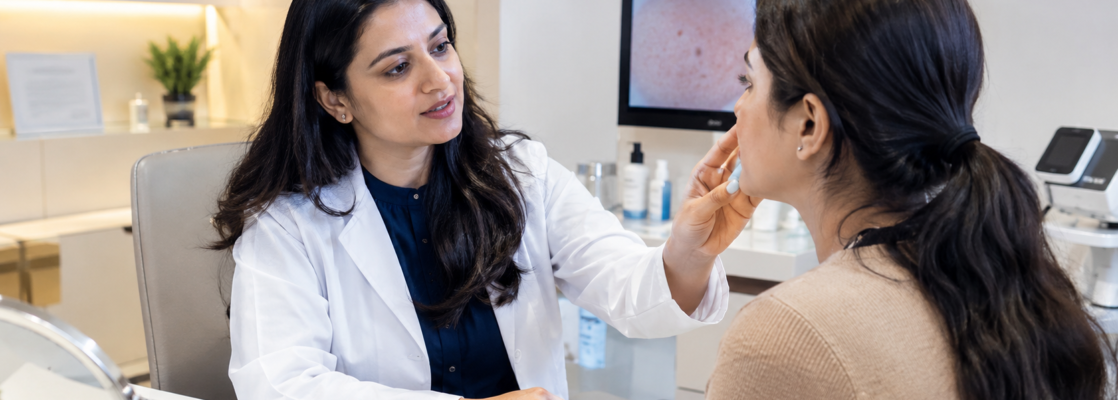
Seeking specialized Fungal Skin Infection Treatment in Hyderabad ensures a precise medical approach. At Dr. Showrya Gadde Dermatology & Wellness (located in Jubilee Enclave, Kondapur, near HITEC City), fungal infection management is led by Dr. Showrya Gadde (MBBS, DNB – Dermatology & Venereology). By incorporating microscopic KOH diagnostic testing, targeted oral and topical antifungal agents, steroid-cessation protocols, and barrier repair care, the clinic helps patients achieve complete cure and long-term protection against relapse.
1. Pathophysiology: How Dermatophytes Invade Human Skin
Understanding how fungal organisms infect and persist in human skin highlights why improper treatments fail:
Phase 1: Adherence and Spore Germination
Fungal elements (arthroconidia) shed into the environment from infected individuals, pets, or soil land on human skin. In warm, moist conditions, the conidia adhere to surface keratinocytes within 2 to 6 hours and begin germinating.
Phase 2: Enzymatic Keratin Cleavage and Tissue Penetration
Germinating fungal hyphae secrete specialized proteolytic enzymes known as keratinases, proteinases, and phosphatases. These enzymes break down hard structural keratin proteins in the stratum corneum, allowing hyphae to spread outwards in a characteristic circular ring pattern.
Phase 3: Host Immune Response and Inflammatory Border
As fungal metabolic products diffuse into the deeper epidermis, they trigger a cell-mediated immune response (delayed-type hypersensitivity). T-lymphocytes migrate to the site, releasing pro-inflammatory cytokines that cause the elevated, red, scaly, intensely itchy border typical of ringworm lesions.
Phase 4: Chronicity and Steroid-Induced Immune Paralysis
If an improper topical steroid is applied, it suppresses local T-cell immune surveillance. While redness and itching decrease temporarily, the fungus multiplies unchecked, invading hair follicles (Majocchi’s granuloma) and spreading across large body surface areas.
2. Clinical Classification of Superficial Fungal Infections
During examination, a dermatologist classifies the infection based on its anatomical location, clinical appearance, and fungal species involved:
Tinea Corporis (Body Ringworm)
Presents as circular, oval, or polycyclic erythematous plaques with raised, active, scaly, vesicular borders and partial central clearing. Common on the trunk, back, arms, and legs.
Tinea Cruris (Jock Itch)
Occurs in the groin, inner thighs, perineum, and gluteal folds. Severe moisture trapping makes this area highly susceptible to spreading, symmetrical, reddish-brown scaly plaques that cause intense itching.
Tinea Pedis (Athlete’s Foot)
Affects the feet, presenting either as interdigital maceration and peeling between the toes, or as a “moccasin-type” chronic dry hyperkeratosis across the soles and heels.
Tinea Capitis (Scalp Fungal Infection)
Primarily affects children, causing patchy hair loss, scaly gray patches, broken hair stumps (“black dot” sign), or severe inflammatory boggy swellings (Kerion).
Tinea Versicolor (Pityriasis Versicolor)
A non-dermatophytic yeast infection caused by Malassezia globosa/furfur. Appears as fine, scaly, hypo-pigmented (light white) or hyper-pigmented (tan/pink) macules across the chest, upper back, and shoulders, worsening with heat and sweating.
Cutaneous Candidiasis
Occurs in moist intertriginous skin folds (under breasts, axillae, abdominal aprons). Characterized by bright red, eroded plaques with distinct peripheral “satellite” pustules.
3. The Clinical Danger of OTC Combination Creams and Steroid Misuse
The widespread availability of over-the-counter combination creams (often marketed as “3-in-1” or “4-in-1” skin creams containing steroids, antifungals, and antibacterials) poses a major hurdle in managing fungal skin infections in India:
How Topical Steroids Damage Fungal Lesions
- Immune Suppression: Corticosteroids paralyze local cutaneous macrophage and T-lymphocyte function, removing the skin’s natural ability to contain fungal growth.
- Tinea Incognito Transformation: The classic raised ring border fades, turning the rash into a diffuse, atypical, dark red or hyperpigmented patch with skin thinning and stretch marks.
- Deep Follicular Invasion: Fungal elements penetrate down into deep hair follicles, rendering superficial topical antifungal creams ineffective.
- Rebound Flare-Ups: Stopping the cream causes an aggressive rebound flare with intense burning and itching, trapping patients in a cycle of chronic steroid dependence.
4. Comprehensive Diagnostic & Clinical Workflow
At Dr. Showrya Gadde Dermatology & Wellness, fungal skin infection management follows a structured, evidence-based pathway:
Step 1: Microscopic KOH Examination
Skin scrapings taken from the active, scaly leading border of the lesion are placed on a glass slide with 10% to 20% Potassium Hydroxide (KOH) solution. Under microscopic evaluation, the presence of diagnostic branching, septate fungal hyphae confirms active mycosis within minutes.
Step 2: Systemic & Topical Antifungal Selection
Depending on infection extent, duration, and prior steroid use, an appropriate antifungal strategy is selected:
- Topical Antifungal Formulations: Broad-spectrum allylamines (Terbinafine, Amorolfine) and modern azoles (Sertaconazole, Luliconazole, Eberconazole) applied to clean, dry skin twice daily, extending 2cm beyond active borders.
- Targeted Systemic Antifungals: For widespread, recurrent, or follicular infections, oral antifungals (Itraconazole, Terbinafine, Fluconazole) are prescribed at precise therapeutic doses for 2 to 6 weeks.
Step 3: Steroid Weaning and Skin Barrier Rehabilitation
For patients with steroid-damaged skin, topical corticosteroids are discontinued under medical supervision, and soothing, anti-inflammatory non-steroidal formulations combined with ceramide barrier repair balms are introduced to restore barrier integrity.
Step 4: Family and Environmental Eradication
Because fungal spores linger on fabrics and household items, comprehensive hygiene guidelines are provided to eliminate environmental spore reservoirs and protect family members.
5. Comparative Overview of Fungal Skin Infections
| Infection Type | Primary Fungal Organism | Primary Affected Zones | Characteristic Visual Features | Primary Treatment Approach |
|---|---|---|---|---|
| Tinea Corporis | Trichophyton rubrum / mentagrophytes | Trunk, back, neck, limbs | Raised scaly ring borders with central clearing | Topical Luliconazole / Oral Itraconazole |
| Tinea Cruris | T. rubrum / Epidermophyton | Groin, inner thighs, buttocks | Symmetrical red-brown plaques, severe itching | Topical Sertaconazole / Oral Terbinafine |
| Tinea Pedis | T. rubrum / T. interdigitale | Toe webs, soles of feet | Softened white skin, peeling, heel scaling | Topical Amorolfine / Foot hygiene care |
| Tinea Versicolor | Malassezia globosa / furfur | Chest, upper back, neck | Fine scaly light or dark patches | Ketoconazole body wash / Oral Fluconazole |
| Candidiasis | Candida albicans | Under breasts, skin folds | Bright red eroded patches with satellite spots | Topical Clotrimazole / Barrier powders |
| Tinea Incognito | Steroid-modified dermatophytosis | Any area exposed to steroids | Diffuse red patches, thin skin, stretch marks | Steroid cessation + Oral Itraconazole |
6. Cost Breakdown of Fungal Infection Treatment in Hyderabad
Pricing for clinical fungal infection care across top dermatological centers in Hyderabad reflects required diagnostic testing, specialist evaluation, and complete medication protocols:
| Procedure / Medical Service | Clinical Focus & Scope | Estimated Cost Range (INR) | Typical Duration / Supply |
|---|---|---|---|
| Specialist Dermatologist Consultation | Clinical evaluation & treatment mapping | ₹700 – ₹1,200 | Initial visit & reviews |
| KOH Microscopic Fungal Scraping | In-clinic diagnostic confirmation | ₹500 – ₹1,000 | Per diagnostic test |
| Targeted Topical Antifungal Creams | Sertaconazole / Luliconazole / Eberconazole | ₹400 – ₹900 | Per tube supply |
| Systemic Antifungal Medications | Oral Itraconazole / Terbinafine course | ₹1,200 – ₹3,000 | 2 to 4 weeks course |
| Barrier Repair & Anti-Itch Lotions | Non-steroidal soothing care | ₹600 – ₹1,200 | Monthly supply |
| Antifungal Absorbent Dusting Powders | Sweat control in skin folds | ₹250 – ₹500 | Regular monthly use |
7. Environmental Drivers in Hyderabad & Fungal Prevention
Preventing fungal recurrence requires addressing environmental factors common in the Hyderabad region:
Regional Drivers and Preventive Steps
- Monsoon Humidity and Summer Sweat: Extended periods of high summer heat and monsoon humidity promote sweating. Sweat trapped in skin folds softens the outer skin layer, making it easy for fungal spores to penetrate. Prevention: Apply antifungal absorbent dusting powders containing Clotrimazole or Sertaconazole to sweat-prone zones daily.
- Hard Borewell Water (High TDS): Tap water in expanding residential and tech corridors like Kondapur, Madhapur, Gachibowli, and Kukatpally contains high Total Dissolved Solids (TDS) such as calcium and magnesium. Washing inflamed, itchy skin with hard water leaves mineral residues that disrupt pH balance and irritate the skin barrier. Prevention: Wash affected skin with lukewarm filtered water and use mild, soap-free synthetic cleansers.
- Sedentary Work and Synthetic Clothing: IT professionals spending long hours sitting in tight synthetic garments experience heat and friction in groin and gluteal folds. Prevention: Wear loose-fitting, breathable pure cotton innerwear and clothing.
8. Essential Family Hygiene Guidelines to Prevent Fungal Spread
Fungal spores easily spread through direct contact or contaminated items. Following these home care rules is vital to break the infection cycle:
- Separate Personal Items: Never share towels, innerwear, bedsheets, blankets, soaps, or combs with family members.
- High-Temperature Washing: Wash infected clothing, towels, and bedsheets separately in hot water (>60∘C) and dry them in direct sunlight.
- Iron Garments Inside Out: Steam-iron all clothing—especially innerwear and trousers—inside out to destroy lingering fungal spores in fabric seams.
- Treat Family Members Simultaneously: If family members show scaly, itchy patches, ensure they undergo dermatological evaluation together to prevent re-infection.
- Keep Skin Folds Dry: Pat skin dry thoroughly after showering using a dedicated dry towel before getting dressed.
9. Frequently Asked Questions (FAQs)
1. What is the most effective Fungal Skin Infection Treatment in Hyderabad?
The most effective treatment relies on accurate species identification through KOH microscopic testing followed by target-specific antifungal therapy. At Dr. Showrya Gadde Dermatology & Wellness, chronic and recurrent fungal infections are treated using systemic antifungals (like Itraconazole or Terbinafine), topical allylamines, non-steroidal anti-itch solutions, and barrier repair creams.
2. Why do over-the-counter ringworm creams fail to cure fungal infections permanently?
Most over-the-counter anti-itch creams contain potent topical corticosteroids (such as Clobetasol or Betamethasone) mixed with weak antifungals. While steroids temporarily suppress inflammation and redness, they paralyze local skin immunity, allowing the fungus to multiply deeper into hair follicles and cause resistant, recurring infections.
3. How much does fungal skin infection treatment cost in Hyderabad?
At Dr. Showrya Gadde Dermatology & Wellness, specialist consultation fees range from ₹700 to ₹1,200. In-clinic KOH microscopic fungal scrapings cost ₹500 to ₹1,000. Complete prescription antifungal and barrier repair regimens typically cost between ₹1,500 and ₹3,500 per month depending on infection extent and medication choices.
4. What is Tinea Incognito, and how is it caused?
Tinea Incognito occurs when a superficial fungal infection is modified and masked by improper application of topical corticosteroids. The steroid removes the classic raised, ring-like border, turning the infection into a diffuse, inflamed, and highly resistant rash.
5. How long does it take to completely clear a ringworm fungal infection?
Superficial, fresh fungal lesions usually clear within 2 to 3 weeks of targeted topical treatment. Chronic, widespread, or steroid-damaged infections may require 4 to 8 weeks of continuous systemic and topical antifungal therapy to eradicate fungal spores completely.
6. How does Hyderabad’s climate and humidity contribute to fungal skin infections?
Hyderabad experiences long periods of summer heat and intense monsoon humidity. Sweating combined with tight synthetic clothing creates a warm, moist environment in skin folds (groin, armpits, under breasts) where dermatophyte fungi grow and spread rapidly.
7. Is fungal skin infection contagious among family members?
Yes. Fungal dermatophytes spread through direct skin-to-skin contact or indirectly through shared personal items such as towels, bedsheets, soaps, innerwear, and clothing. Treating all affected family members simultaneously is essential to prevent re-infection.
8. What is Tinea Versicolor, and how does it differ from ringworm?
Tinea Versicolor is caused by an overgrowth of Malassezia yeast naturally present on the skin. It causes fine, scaly, discolored patches (light white, pink, or light brown) on the chest, back, and shoulders without the severe redness, raised borders, or intense itching characteristic of ringworm (Tinea Corporis).
9. How does hard tap water in areas like Kondapur and Madhapur affect fungal infections?
Tap water in areas like Kondapur, Madhapur, and HITEC City contains high Total Dissolved Solids (TDS) such as calcium and magnesium. Washing inflamed skin with hard water leaves mineral residues that disrupt the protective acid mantle, worsening skin irritation and making the barrier vulnerable to fungal spores.
10. Why shouldn’t I stop taking antifungal medicine as soon as the itching stops?
Itching often subsides before microscopic fungal spores are fully eradicated from the outer skin layer. Stopping medication prematurely leaves viable fungal elements behind, leading to rapid relapse and fungal resistance against standard medications.
11. What lifestyle changes prevent recurrent fungal infections in skin folds?
Wear loose, breathable cotton clothing, dry skin folds thoroughly after bathing, use dusting powders containing Clotrimazole or Sertaconazole in sweat-prone zones, wash clothes in hot water, iron garments inside out, and avoid sharing towels or innerwear.
12. What is KOH Microscopy, and why is it performed during consultation?
KOH (Potassium Hydroxide) Microscopy is an in-clinic diagnostic test where skin scrapings from the active lesion border are treated with KOH solution and examined under a microscope to confirm the presence of branching fungal hyphae before starting treatment.
13. Can diabetes make fungal skin infections more severe and harder to cure?
Yes. Uncontrolled blood sugar levels elevate glucose in skin tissue and sweat, providing a rich growth medium for fungi (especially Candida). Diabetes also weakens cutaneous immune defenses, leading to severe, frequent, and persistent fungal infections.
14. How does Dr. Showrya Gadde treat fungal infections in pregnant or lactating women?
In pregnant and breastfeeding women, systemic oral antifungals are restricted to prevent potential fetal or neonatal risks. Treatment relies on certified pregnancy-safe topical antifungals (such as Clotrimazole or Sertaconazole) combined with strict hygienic measures.
15. Why choose Dr. Showrya Gadde Dermatology & Wellness for fungal infection treatment?
Dr. Showrya Gadde (MBBS, DNB – Dermatology & Venereology) brings clinical expertise to treating recalcitrant mycoses. Her clinic in Jubilee Enclave, Kondapur, provides microscopic testing, steroid-free treatment plans, barrier repair strategies, and comprehensive family eradication protocols.
10. Schedule Your Clinical Fungal Assessment
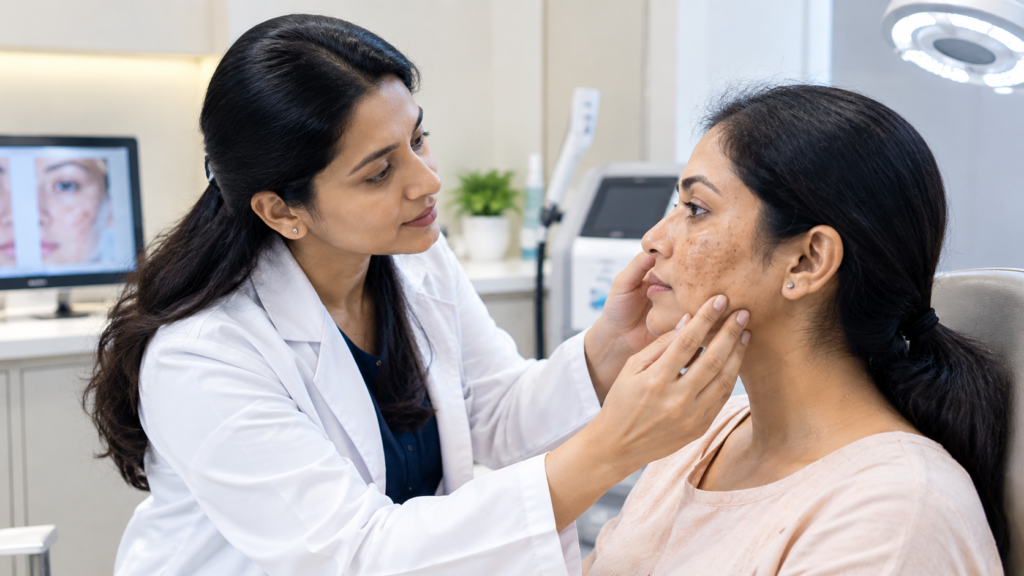
Eradicating persistent fungal skin infections and preventing painful recurrences requires accurate diagnosis and specialized dermatological care. If scaly red rings, groin itching, or stubborn discolored skin patches are affecting your daily comfort, schedule a consultation with Dr. Showrya Gadde at Dr. Showrya Gadde Dermatology & Wellness in Jubilee Enclave, Kondapur, Hyderabad. A clinical assessment and microscopic test will identify your exact fungal drivers and establish a safe, effective path to clear, healthy skin.