
Table of Contents
Post-Work Yoga for Stress Relief in Chennai | Evening Reintegration
Engaging in a dedicated routine of post-work yoga for stress relief in Chennai is a highly effective, anatomically grounding strategy to counter the dual strains of professional life and urban transit. The combination of intense corporate schedules in tech hubs like OMR and Taramani, paired with long evening commutes, keeps the nervous system in a state of chronic sympathetic overdrive (fight-or-flight).
By transitioning directly from the office into a slow, breath-centric evening hatha or restorative yoga practice, professionals can actively lower their cortisol levels, release deep physical tension in the hips and shoulders, and cool down the body after exposure to coastal humidity. This practice functions as a physiological reset button, paving the way for deep sleep and long-term mental clarity.
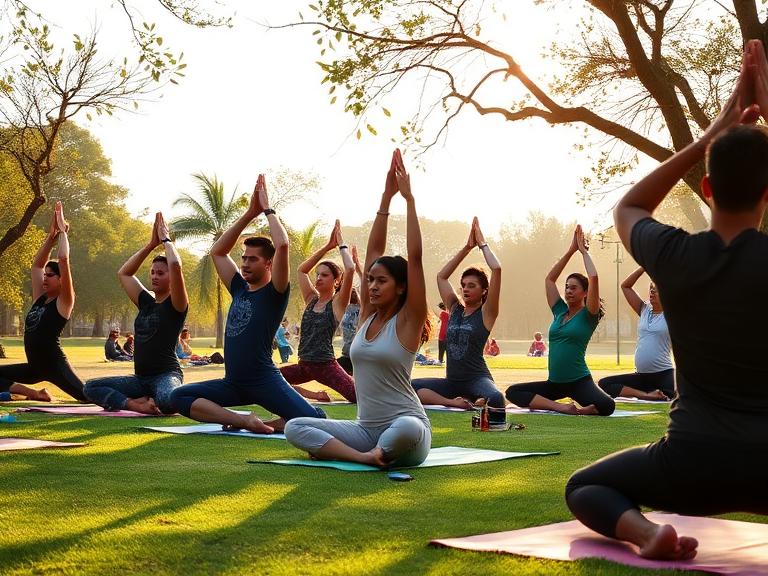
The Physiology of the Corporate Commuter in Chennai
To understand why evening yoga is so effective, we first need to look at how daily corporate life affects the body. A typical workday for a professional in Chennai’s bustling corporate centers involves hours of sitting in front of a screen, followed by a demanding commute through heavy traffic on major arteries like the Old Mahabalipuram Road (OMR), Mount Road, or the 100 Feet Bypass Road.
This combination of long hours at a desk and a stressful commute creates a specific pattern of physical and mental exhaustion.
[Sedentary Desk Hours] ──► Rounded shoulders, compressed lumbar discs, tight hips
                                        │
                                        ▼
[High-Stress Commute] ───► Tight grip on steering wheel, elevated heart rate, shallow breathing
                                        │
                                        ▼
[Sympathetic Overdrive] ─► Chronic cortisol spikes, mental exhaustion, poor sleep quality
During an extended commute, the body reacts to road stress by unconsciously tightening the jaw, hiking the shoulders up toward the ears, and gripping the steering wheel or handles too tightly. This physical bracing, combined with the coastal heat, signals the brain’s alarm system—the amygdala—that the body is under threat.
As a result, your system floods with stress hormones like cortisol and adrenaline. Your breathing becomes shallow and shifts to the upper chest, depriving your deep tissues of oxygen.
By the time you get home, your mind is racing, yet your body feels heavy and exhausted. This state is known as sympathetic overdrive. Sitting on the couch or scrolling through your phone won’t clear these stress hormones from your bloodstream. To truly unwind, you need intentional, physical movement paired with deep, rhythmic breathing to switch your body into its natural recovery mode.
The Science of De-Stressing: Activating the Parasympathetic Reset
Post-work yoga works by intentionally triggering the parasympathetic nervous system (the rest-and-digest response). When you slow down your movements and lengthen your exhales, you stimulate the vagus nerve. This long cranial nerve runs from the brainstem all the way down to the abdomen, regulating your heart rate, digestion, and stress responses.
Slowing your breathing down to about six breaths per minute tells your brain that you are safe. In response, your heart rate drops, your blood vessels dilate to lower blood pressure, and fresh blood flows back to your digestive organs and extremities.
This shift stops the production of stress hormones and allows the liver and kidneys to clear out existing cortisol. At the same time, the gentle, physical stretching releases tension from large muscle groups, helping your body drop its defensive posture so you can transition into a peaceful, restorative evening.
The Evening Reintegration Flow: A 30-Minute Home Sequence
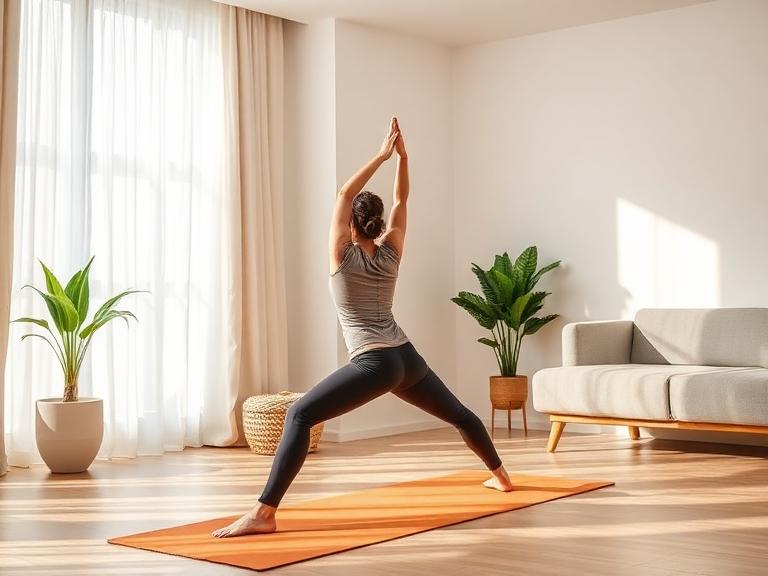
If you can’t make it to a local studio immediately after work, this 30-minute restorative home routine is designed to help you transition from office stress to evening relaxation. All you need is a quiet space, a yoga mat or firm rug, and a couple of stiff pillows or yoga blocks.
The Sequence Steps
1.Constructive Rest & Diaphragmatic Breathing:Duration: 5 Minutes.
Lie flat on your back with your knees bent and your feet flat on the floor, about mat-width apart. Let your knees rest gently against each other in the center. Place one hand on your chest and the other on your belly. Close your eyes and focus on breathing deeply into your lower hand, making your belly rise on the inhale and fall on the exhale. Keep your chest relatively still.
2.Supported Legs-Up-the-Wall Pose (Viparita Karani):Duration: 7 Minutes.
Bring your yoga mat right up against an empty wall. Sit sideways against the wall, then gently roll onto your back and swing your legs straight up the wall. Your hips can rest a few inches away from the baseboard, or right up against it if your hamstrings are flexible. Rest your arms out to the sides with your palms facing up. Rest here, letting gravity drain fluid and tension from your tired legs.
3.Supported Supta Baddha Konasana (Reclined Bound Angle):Duration: 6 Minutes.
Sit on your mat and place a firm pillow or yoga bolster lengthwise directly behind your lower back. Bring the soles of your feet together and let your knees open wide to the sides, creating a diamond shape with your legs. Gently lower your spine down onto the pillow so your chest is supported and elevated. Rest your arms out wide to release tension across your chest and shoulders.
4.Seated Forward Fold with Support (Paschimottanasana Modification):Duration: 5 Minutes.
Sit up straight with your legs extended forward in front of you. Place a rolled-up blanket or a thick pillow across your thighs. Inhale to lengthen your spine, then exhale to gently fold forward from your hips. Let your torso rest comfortably on the pillow, and allow your forehead to relax down onto your hands or an extra block. Keep your feet soft and relaxed.
5.Supported Corpse Pose (Savasana with Knee Support):Duration: 7 Minutes.
Lie flat on your back. Place a thick bolster or pillow underneath your knees to take all the pressure off your lower back. Let your feet drop open naturally to the sides. Extend your arms down along your body, palms facing upward, away from your torso. Cover your eyes with a soft cloth to block out light, relax your jaw, and let your body sink completely into the floor.
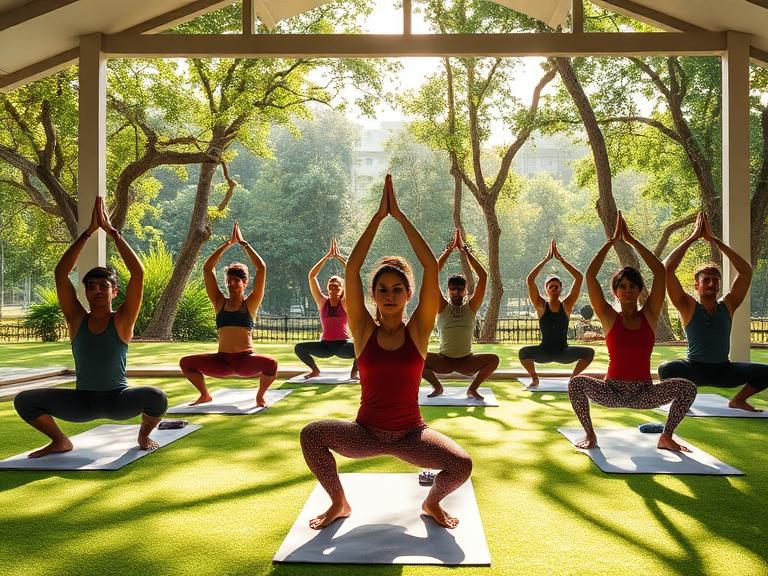
Top Neighborhood Hubs for Post-Work Yoga in Chennai
For those who find it easier to unwind in a dedicated group environment, choosing a studio near your office or along your commute makes sticking to an evening routine much simpler. Chennai has several excellent yoga centers that offer specialized evening classes designed to relieve stress.
1. The IT Corridor Hub: OMR, Thoraipakkam, and Perungudi
The Old Mahabalipuram Road (OMR) is the tech heart of Chennai, filled with massive IT parks, glass high-rises, and round-the-clock shift schedules. The lifestyle here is fast-paced, and professionals often deal with long hours at computers, screen strain, and erratic sleep patterns.
Evening yoga classes along OMR focus heavily on countering these digital strains. Instructors often use tools like blocks, straps, and bolsters to support the body in deep, long-held stretches (Yin Yoga).
These movements help release tension in the forearms, wrists, and shoulders from typing, while calm, quiet spaces offer a much-needed break from digital screens. Joining a 6:30 PM or 7:30 PM class right after work allows you to let the worst of the evening traffic pass while you focus on your well-being.
2. The South Chennai Sanctum: Adyar and Besant Nagar
For professionals working or living around South Chennai, neighborhoods like Adyar and Besant Nagar offer a distinct advantage: proximity to the coast. The natural ocean breeze and quieter, tree-lined streets provide a wonderful setting for evening relaxation.
Studios in this area often focus on traditional Hatha Yoga and restorative practices that incorporate breath control (Pranayama). Instructors utilize cooling breathing techniques—such as Sitali or Sheetkari (the cooling breaths)—which are incredibly helpful for lowering body temperature and calming the mind after a hot day.
Practicing in these spaces, with windows open to let in the evening sea breeze, offers a classic, grounding experience that helps ease the day’s stress.
3. The Cultural Heart: Mylapore and Alwarpet
Mylapore and Alwarpet represent the traditional and cultural core of Chennai. The yoga centers here carry a deep respect for classical lineage, alignment, and yoga therapy.
If you are dealing with chronic physical issues from stress—such as lower back pain, tension headaches, or digestive discomfort—the studios in this neighborhood are ideal. Evening classes here focus on precise physical alignment and gentle, therapeutic movements tailored to individual needs.
The calm, structured environments often include traditional chanting, sound therapy, or deep mindfulness practices (Yoga Nidra). These techniques provide a full mental reset, helping you separate your work life from your personal evening time.
Comparative Assessment: Evening Relaxation Techniques
To help you understand how evening yoga compares to other popular ways of winding down after work, we’ve broken down the differences in the reference table below.
| Evening Routine | Physical Impact | Nervous System Response | Level of Effort Required | Effect on Sleep Quality |
| Restorative Evening Yoga | Gently releases muscle tension and improves spinal alignment. | Deeply calming; activates parasympathetic recovery. | Low to moderate; gentle and accessible. | Highly beneficial; helps prevent insomnia and deepens rest. |
| High-Intensity Gym Workouts | Builds muscle strength and burns calories. | Energizing; increases adrenaline and cortisol temporarily. | High; requires significant energy. | Can disrupt sleep if practiced too late in the evening. |
| Streaming TV Shows & Movies | Passive; leaves the body in a stationary, static posture. | Mentally stimulating; blue light can delay rest. | None; entirely passive. | Can delay deep REM sleep due to screen exposure. |
| Socializing or Casual Dining | Moderate; involves sitting in chairs and talking. | Socially engaging; can vary based on noise and environment. | Low to moderate social energy. | Neutral; depends on caffeine or heavy food intake. |
FAQs
What should I wear to a post-work evening yoga class if I come straight from the office?
Most studios have changing rooms available. It is best to bring a comfortable change of clothes, such as soft cotton track pants, leggings, or a loose-fitting t-shirt that allows your skin to breathe and your body to move freely.
Is it safe to practice evening yoga after eating a snack at the office?
A light snack, like a piece of fruit or a handful of almonds eaten an hour before class, is perfectly fine. However, avoid eating a heavy meal for at least two to three hours before practicing yoga, as twisting and forward folds can cause digestive discomfort on a full stomach.
Can absolute beginners join evening stress-relief classes?
Yes, absolutely. Evening stress-relief and restorative classes are deliberately paced to be gentle, slow, and accessible. Instructors regularly offer modifications, making them welcoming for students of all flexibility and fitness levels.
How does evening yoga differ from early morning yoga classes?
Morning classes are typically designed to wake up the body, build heat, and boost your energy for the day ahead using active flows. Evening classes focus on cooling down the body, releasing built-up tension, and calming the mind for deep sleep.
Can evening yoga help with chronic insomnia caused by work stress?
Yes, practicing gentle yoga before bed helps lower your heart rate and clears stress hormones from your system. This shifts your brain waves into a relaxed state, making it much easier to fall asleep and stay asleep.
Should I avoid active styles like Ashtanga Vinyasa after a stressful workday?
If you feel physically restless and need to burn off nervous energy, a moderately active class can be helpful. However, if you are feeling drained and exhausted, an intense, fast-paced workout may increase your stress levels. In those times, opt for a restorative or yin class instead.
What should I do if a specific restorative pose causes tingling in my hands or feet?
Tingling or numbness is a sign of temporary nerve compression. If you experience this, gently come out of the pose immediately. Use extra pillows or blocks to support your body, or ask your instructor for a safer alternative.
How many times a week should I practice post-work yoga to notice a difference?
Even practicing once or twice a week can provide a wonderful mental break and reduce weekend fatigue. For the best results in managing daily stress, a consistent routine of three sessions a week is highly recommended.
Is it necessary to take a shower immediately after an evening yoga class?
Since evening restorative yoga is gentle and cooling, you won’t build up a heavy sweat. A warm shower when you get home can help relax your muscles further, but it isn’t strictly necessary right after class.
Can breathing exercises alone relieve stress if I am too tired for physical poses?
Yes, breathing practices like Nadi Shodhana (alternate nostril breathing) or simple diaphragmatic breathing are powerful tools on their own. They can be practiced directly in your chair or bed to calm your mind instantly.


Leave a Comment