
Table of Contents
Event Planners for Corporate Milestones | Production & Strategy
A corporate milestone is far more than a simple calendar date or a routine internal celebration. Whether commemorating a 25th-year golden jubilee, celebrating a successful Initial Public Offering (IPO), announcing a major cross-border acquisition, or honoring a landmark revenue target, these events serve as high-stakes moments of corporate strategy. They reinforce institutional credibility, build trust among equity holders, align global workforce cultures, and firmly position a brand as an industry leader.
Executing a high-stakes corporate milestone leaves no margin for operational error, technical friction, or uninspired design. Unlike standard business meetings, these benchmark events require a sophisticated blend of strategic narrative design, commercial-grade AV production, high-touch VIP logistics, and disciplined financial management. This is the specialized world managed by event planners for corporate milestones.
Professional milestone planners act as experiential architects. They bridge the gap between high-level corporate boardrooms and physical live productions, transforming abstract corporate achievements into immersive, high-impact experiences.
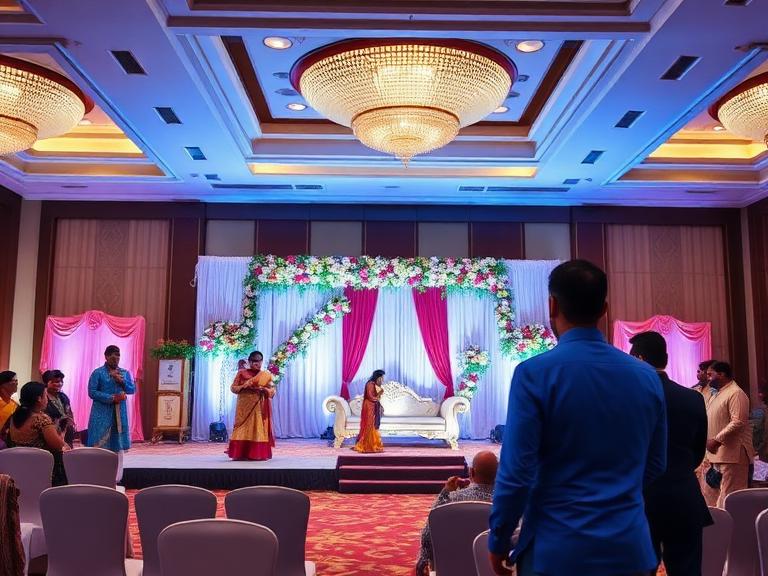
1. The Strategic Blueprint: Purpose-Driven Milestone Engineering
A successful corporate milestone celebration begins long before stage designs are rendered or menus are finalized. Experienced milestone event planners use a strategic framework to ensure every element of the gathering directly supports the organization’s overarching business goals.
[Phase 1: Narrative & Objectives] ──> [Phase 2: Production Engineering] ──> [Phase 3: Live Show Orchestration]
Phase 1: Strategic Alignment and Narrative Architecture
Before selecting a venue or designing a stage, planners work closely with C-suite leadership, corporate communications teams, and board members to define the core purpose of the milestone:
- Stakeholder Profiling & Objectives: Mapping out the unique expectations of different attendee groups—such as institutional investors, founders, long-standing clients, channel partners, and internal staff—to ensure the experience speaks directly to every audience segment.
- Corporate Storytelling Integration: Transforming corporate timelines into dynamic, visual stories that highlight past challenges, major breakthroughs, and future growth targets.
- Executive Communication Coaching: Vetting and preparing internal executives and guest keynote speakers to ensure all speeches and presentations deliver a cohesive, powerful brand message.
Phase 2: Production Engineering & Technical Architecture
Moving from strategic design concepts to live production requires detailed technical preparation and rigorous risk management:
- 3D Spatial CAD & Virtual Walkthroughs: Building precise computer-aided design layouts to test guest movement paths, seat placement sightlines, and stage visibility well in advance.
- Acoustic & Broadcast Engineering: Designing distributed sound arrays so speeches remain perfectly intelligible in every seat without disrupting networking conversations.
- Redundant Technical Infrastructure: Installing isolated secondary power generators, backup media servers, and dual-redundant data networks to prevent technical interruptions during key presentation moments.
Phase 3: Live Show Flow and Stage Choreography
Executing a major corporate milestone requires precise time-management protocols led by experienced broadcast stage directors:
- Time-Coded Show Control: Programming stage lighting, video cues, and audio tracks to trigger seamlessly during key awards or executive keynotes using automated show-control software.
- Backstage Talent Choreography: Directing the movement of executive speakers, award recipients, and live entertainment to maintain a smooth, engaging flow.
- Real-Time Protocol Adjustments: Implementing live contingency plans to accommodate unexpected schedule shifts smoothly, keeping the audience completely engaged throughout the event.
2. Event Typologies: Structuring Diverse Corporate Milestones
Different business milestones require completely different operational approaches, venue selections, and design strategies. Specialized corporate planners customize their execution frameworks based on the specific type of achievement being celebrated:
                               ┌───────────────────────────┐
                               │   Corporate Milestones    │
                               └─────────────┬─────────────┘
                                             │
         ┌───────────────────────────────────┼───────────────────────────────────┐
         ▼                                   ▼                                   ▼
┌───────────────────┐               ┌───────────────────┐               ┌───────────────────┐
│ Centennial /      │               │ Financial Milestones│             │ Product & Tech    │
│ Annual Anniversaries│             │ (IPO / Mergers)   │               │ Breakthroughs     │
└───────────────────┘               └───────────────────┘               └───────────────────┘
1. Business Anniversaries (10, 25, 50, 100 Years)
Celebrating a major company anniversary focuses on honoring heritage, recognizing long-serving employees, and projecting future strength:
- Design Core: Using interactive history walls, vintage product displays, and immersive video tunnels to walk guests through the company’s evolution.
- Key Inclusion: Formal galas, leadership awards ceremonies, and commemorative keepsake publications for attending guests.
2. Financial Milestones (IPOs, Mergers, Acquisitions, Valuation Targets)
These events carry significant market weight and are designed to reassure investors, celebrate financial partners, and welcome newly acquired teams:
- Design Core: Sophisticated, minimalist aesthetics paired with ultra-crisp digital displays presenting key growth metrics and future roadmaps.
- Key Inclusion: Private C-suite dinners, high-security networking lounges, and integrated global live broadcasts for international press and analysts.
3. Product Breakthroughs and Infrastructure Expansions
Marking the launch of a revolutionary technology platform or the opening of a massive new corporate campus or manufacturing facility:
- Design Core: Dynamic stage reveals, kinetic lighting displays, and interactive demonstration zones where attendees can experience new technologies hands-on.
- Key Inclusion: Ribbon-cutting ceremonies, press briefings, guided facility tours, and interactive digital activations.
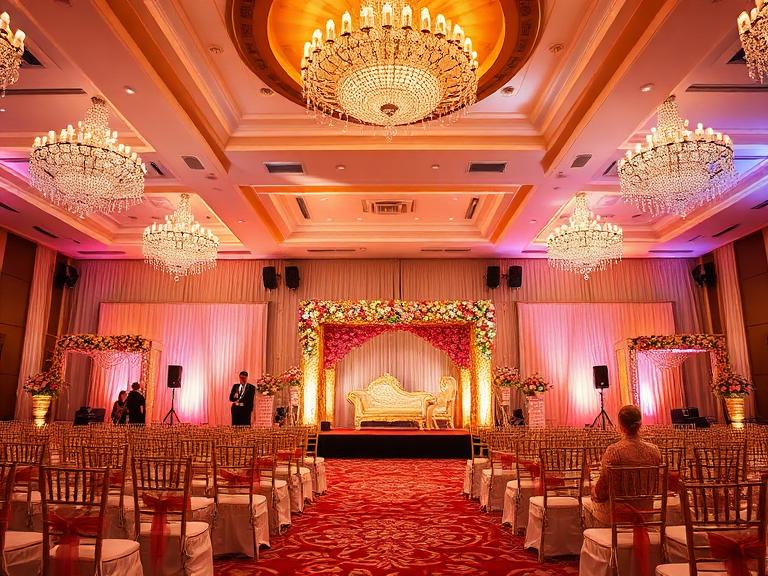
3. High-Impact Event Technology: Elevating the Milestone Experience
Modern corporate milestone events rely on advanced event technology to transform standard presentations into captivating, memorable experiences. Specialized planners integrate high-end production technology seamlessly into the venue layout.
┌──────────────────────────────────────────────────────────────────────────┐
│                     MILESTONE EVENT PRODUCTION TECH                      │
├───────────────────────────┬──────────────────────────────────────────────┤
│ System Component          │ Corporate Production Specification           │
├───────────────────────────┼──────────────────────────────────────────────┤
│ Visual Displays           │ Fine-pitch seamless LED walls (P1.2 - P1.8)  │
│ Media Servers             │ Dataton WATCHOUT / Disguise vx media servers  │
│ Audio Systems             │ Active line-array arrays with beam-steering  │
│ Spatial Interactivity     │ AR/VR interactive walls & RFID guest badges  │
└───────────────────────────┴──────────────────────────────────────────────┘
Fine-Pitch Seamless LED Walls
Replacing traditional fabric backdrops or low-resolution projectors with fine-pitch LED display screens ensures that corporate data, financial graphics, and high-definition videos look razor-sharp from any angle in the room.
Immersive Spatial Audio
Using multi-channel, beam-steering speaker systems allows sound engineers to direct crystal-clear speech directly toward seating areas while controlling volume levels in networking zones. This prevents room echo and lets guests converse comfortably throughout the evening.
Interactive Brand Activations
Incorporating technologies such as augmented reality (AR) history timelines, custom touch-screen walls, and digital guestbooks gives attendees a hands-on, engaging way to explore company achievements.
4. Scenography and Atmosphere: Designing Prestige Spaces
A high-end corporate milestone event should look and feel exceptional. Professional event planners combine custom stage fabrication, elegant architectural lighting, and premium material finishes to elevate the venue’s overall aesthetic.
┌────────────────────────────────────────────────────────────────────────┐
│                        SCENOGRAPHIC PRODUCTION                         │
├───────────────────────┬───────────────────────┬────────────────────────┤
│ Design Element        │ Material Selection    │ Visual Purpose         │
├───────────────────────┼───────────────────────┼────────────────────────┤
│ Custom Set Displays   │ Matte CNC woodwork,   │ Clean, professional    │
│                       │ brushed metallic trim │ stage framing          │
│ Spatial Lighting      │ Architectural LEDs,   │ Warm, cinematic mood   │
│                       │ targeted spotlights   │ for key presentations  │
│ Table Architecture    │ Custom textured linen,│ Refined elegance for   │
│                       │ fine crystal & glass  │ close-up guest seating │
└───────────────────────┴───────────────────────┴────────────────────────┘
Custom Set Engineering
Using precision-cut wood, brushed metallic accents, and integrated LED light strips gives stages and presentation sets a permanent, high-end look without distracting glare or visible support frames.
Architectural Lighting Layering
By layering warm, focused lighting across key structural features, wall surfaces, and dining tables, lighting designers build an inviting, cinematic environment that naturally draws focus to the main stage.
Refined Table Design
Because guests spend significant time seated during dinners and awards presentations, table arrangements are styled carefully with low-profile floral arrangements, premium linens, and fine glassware to keep views toward the stage completely clear.
5. Financial Engineering: Strategic Budget Optimization
Executing a enterprise-grade corporate milestone event requires disciplined budget tracking and smart financial management. Specialized milestone event planners use structured financial models to allocate resources effectively, maximizing ROI while controlling total production costs.
┌──────────────────────────────────────────────────────────────────────────┐
│                   TYPICAL MILESTONE BUDGET ALLOCATION                    │
├───────────────────────────────┬──────────────────────────────────────────┤
│ Category                      │ Percentage Allocation                    │
├───────────────────────────────┼──────────────────────────────────────────┤
│ AV Technology & Stage Production│ █████████████████████████ 35%          │
│ Venue Buyout & Dining         │ █████████████████████ 30%                │
│ Custom Scenic Fabrication     │ ███████████ 15%                          │
│ VIP Concierge & Security      │ ███████ 10%                              │
│ Contingency & Compliance      │ ███████ 10%                              │
└───────────────────────────────┴──────────────────────────────────────────┘
Strategic Cost-Efficiency Methods
1. In-House Technical Direct Sourcing
Working with planners who manage technical AV inventory—such as LED display walls, line-array audio systems, and stage lighting—directly eliminates middleman rental markups and guarantees consistent equipment performance.
2. Scalable Modular Set Fabrications
Designing custom set pieces and stage backdrops using modular frameworks allows physical assets to be updated, transported, and reassembled easily for regional shareholder meetings or employee roadshows, reducing the cost-per-event over time.
3. High-Impact Hybrid Formats
Rather than booking massive venues to host large global employee groups physically, modern milestone strategies combine high-end on-site galas for core stakeholders with secure, multi-camera live streams for international offices, optimizing catering and travel expenses efficiently.
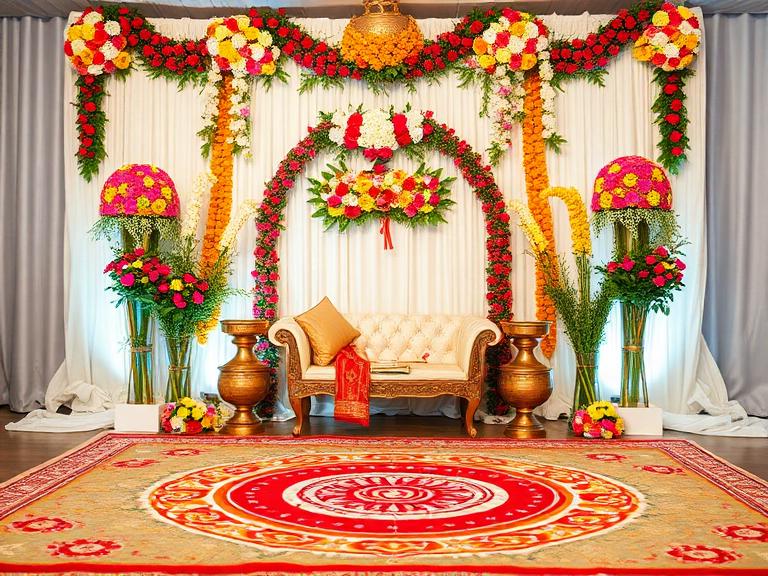
6. Selection Scorecard: Evaluating Corporate Milestone Planners
Selecting the right event planning partner is a critical executive decision. Selection committees can use this scorecard to evaluate prospective agencies during the proposal and RFP review process:
- [ ] Enterprise B2B Portfolio: Can the agency share verified case studies of major corporate milestones, annual galas, or IPO celebrations managed for industry-leading brands within the past 24 months?
- [ ] In-House Technical Direction: Does the team feature dedicated internal technical directors who manage advanced visual processing, sound engineering, and power redundancy systems directly?
- [ ] Rigorous Safety & Risk Management: Does the firm provide clear risk-management plans, complete liability coverage, and comprehensive venue safety protocols?
- [ ] Executive VIP Hospitality: Does the planner offer complete white-glove concierge support, secure guest registration platforms, and executive transportation management?
- [ ] Transparent Financial Management: Does the company provide detailed, line-item budget structures with clear pricing and zero unexpected production markups?
7. Operational Logistics and Risk Management Checklist
Flawless execution requires systematic preparation across every department. This operational checklist outlines key milestones from early planning to post-event wrap-up:
- [ ] Executive Stakeholder Alignment: Define key performance indicators (KPIs), event themes, budget approvals, and executive presentation schedules early.
- [ ] Venue Assessment & Structural Audits: Inspect loading dock dimensions, ceiling rigging capacity, electrical service limits, and ADA accessibility options.
- [ ] Security & Executive Protection: Coordinate access badges, VIP arrival paths, and on-site security teams for executive guests and keynote speakers.
- [ ] Show Control & Script Rehearsals: Conduct complete technical run-throughs and speaker rehearsals with live media cues prior to guest arrival.
- [ ] Post-Event Analysis & Media Archiving: Collect guest feedback, process high-resolution event media, evaluate ROI metrics, and archive digital assets for corporate communications.
15 Frequently Asked Questions (FAQs) with Answers
Q1: What defines a corporate milestone event compared to a standard business gathering?
A corporate milestone event marks a significant institutional achievement—such as a major business anniversary, an IPO, a major merger, or a technological breakthrough. Unlike routine meetings, these events carry substantial strategic weight and require higher production values, executive-level messaging, and comprehensive stakeholder engagement strategies.
Q2: How far in advance should we engage event planners for corporate milestones?
For major enterprise milestones—such as a 25th or 50th anniversary gala or an international product launch—it is best to hire an event planning partner 6 to 12 months in advance. This ensures sufficient time for venue sourcing, custom set engineering, executive alignment, and guest travel management.
Q3: Can milestone event planners assist with content creation and executive speeches?
Yes. Experienced corporate milestone planners work closely with executive communications teams to draft scripts, design presentation slide decks, produce tribute films, and coach executive speakers to ensure consistent, impactful messaging.
Q4: How do event planners handle corporate milestone events across multiple global offices?
Planners utilize high-definition, multi-camera live broadcast setups and hybrid event platforms. This allows international offices to watch the main ceremony live, interact via digital Q&A sessions, and participate in synchronized local celebrations seamlessly.
Q5: What safety and risk management protocols are implemented for high-profile C-suite guests?
Planners deploy comprehensive security measures, including biometric or RFID access control badges, private arrival corridors, secure executive holding lounges, and dedicated on-site medical and security personnel.
Q6: What is the typical cost range for hosting a enterprise corporate milestone gala?
Costs vary based on guest attendance, venue selection, and production scale. Premium corporate milestones generally range from $50,000 for focused executive dinners to $500,000+ for large-scale multi-day galas featuring custom stage fabrications and global broadcast setups.
Q7: How do planners ensure the milestone reflects our company’s specific culture and history?
Planners begin with an in-depth discovery process, interviewing long-serving executives, reviewing historical archives, and studying brand guidelines. They then translate those insights into custom timeline exhibits, branded stage sets, and tailored video storytelling.
Q8: Can a milestone event planner assist with venue sourcing and contract negotiation?
Yes. Planners leverage industry relationships to identify unique venues, evaluate technical capabilities, negotiate competitive booking rates, and manage strict venue access windows.
Q9: How is technical redundancy managed during live corporate presentations?
Planners install dual-redundant systems for critical infrastructure—including backup media servers, uninterruptible power supplies (UPS), synchronized secondary generators, and secondary microphones—ensuring zero interruptions during live presentations.
Q10: What elements are included in post-event ROI measurement for corporate milestones?
Post-event analysis evaluates guest attendance metrics, media coverage, attendee feedback surveys, brand impression reach, and executive stakeholder reviews to deliver a clear ROI report.
Q11: How do planners create engaging experiences for remote or international employees?
Remote teams can be integrated using interactive event mobile apps, live digital polls, real-time social media walls, and multi-location broadcast feeds, ensuring global employees feel fully included in the celebration.
Q12: Do corporate milestone planners manage VIP transportation and accommodation logistics?
Yes. Full-service corporate planners coordinate executive travel, book luxury hotel blocks, manage airport transfers, and provide dedicated concierge teams to support high-profile guests throughout their stay.
Q13: What measures are taken to protect proprietary company information at financial milestones?
Planners enforce strict confidentiality protocols, including non-disclosure agreements (NDAs) for all production staff, secure high-frequency wireless communications, and restricted-access backstage zones.
Q14: Can custom set pieces and stage setups be repurposed for future company events?
Yes. Planners design sets using modular, durable framing materials that can be easily updated and reassembled for subsequent regional meetings, shareholder conferences, or roadshows.
Q15: What is the first step to engage an event planner for an upcoming corporate milestone?
The first step is to establish your core event objectives, target dates, estimated guest count, and overall budget parameters. Sharing these details during an initial consultation allows planners to build a detailed, tailored proposal for your consideration.



Leave a Comment