
Lift Repair
Table of Contents
The Ultimate Guide to Lift Repair Cost in Kukatpally (2026 Procurement Framework)
Managing residential standalones, commercial hubs, or high-density gated communities across Kukatpally, KPHB Colony, Pragathi Nagar, and Nizampet requires a clear understanding of vertical asset management. Elevator systems represent a significant capital expense for housing societies and commercial building owners. When an unexpected breakdown occurs, understanding the breakdown of lift repair cost in Kukatpally is essential for maintaining building budgets and preventing unfair pricing from unauthorized local technicians.
Kukatpally’s real estate includes a mix of older G+5 standalone apartments built during the early boom phase and modern, high-speed mid-rise structures. This variety creates unique maintenance challenges. Older systems frequently face mechanical wear, while newer units require complex electronic troubleshooting.
This comprehensive procurement guide details current market pricing, technical component life expectancy, compliance mandates under the Telangana Lifts Act, and structured frameworks to help building committees manage repair expenses effectively.
1. Baseline Cost Structures for Lift Repairs in Kukatpally
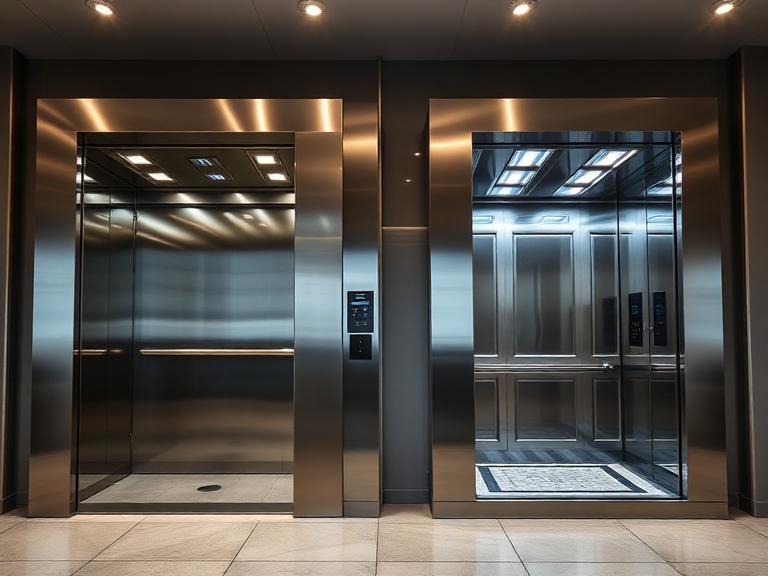
Elevator repair costs vary based on system capacity, technology (geared vs. gearless), number of landings, and the specific parts required. A basic diagnostic service visit in Kukatpally ranges from ₹1,500 to ₹3,500. This baseline callout fee covers the initial fault-finding process, circuit analysis, and safety loop evaluation.
Baseline Structural Repair Cost Framework
| Repair Categorization & Scope | Common Defect Triggers | Estimated Cost Range (INR) | Typical Turnaround Time (TAT) |
| Minor Adjustment Callout | Sensor misalignments, door gate switch adjustments, landing lock calibration. | ₹1,500 – ₹3,500 | 1 to 3 Hours |
| Safety Sensor Replacement | Blown infrared light curtains, worn mechanical limit switches, door vane damage. | ₹8,500 – ₹18,000 | 4 to 6 Hours |
| Battery Back-Up (ARD) Swap | Expired sealed lead-acid cells, charger circuit controller board burnouts. | ₹12,000 – ₹28,000 | Same Day (2–4 Hours) |
| Suspension Cable Re-Roping | Main traction steel wire ropes fraying, groove mismatching. | ₹45,000 – ₹95,000 | 1 to 2 Working Days |
| Traction Motor Rewinding | Insulation breakdown from voltage spikes, coil grounding, bearing failures. | ₹35,000 – ₹75,000 | 2 to 4 Working Days |
| Control Panel Logic Overhaul | Main microprocessor PCB failure, inverter/VFD burnout due to heat. | ₹45,000 – ₹1,50,000 | 1 to 3 Working Days |
2. Technical Factor Analysis Driving Repair Costs
The cost of an elevator repair is determined by specific technical and environmental factors unique to the Kukatpally region.
A. Geared vs. Gearless Drive Technologies
Older properties across KPHB Phases 1 to 6 often utilize traditional geared traction systems. These units require regular gear oil changes and suffer from seal failures, brake shoe degradation, and worm gear wear. While replacement parts are generally inexpensive, finding high-quality components requires careful sourcing.
In contrast, modern commercial developments and high-end residential towers in locations like Pragathi Nagar and JNTU use Gearless Permanent Magnet Synchronous Motor (PMSM) drives. These systems require minimal mechanical maintenance but are highly vulnerable to power issues. If a gearless stator winding suffers damage, repair costs are significantly higher than geared alternatives.
B. Power Quality Fluctuation and Voltage Surges
Despite structural improvements across Hyderabad’s grid, localized power fluctuations can occur during peak summer months. Rapid shifts can overload sensitive Variable Voltage Variable Frequency (VVVF) inverters, causing premature capacitor breakdown. Replacing a damaged VVVF drive or repairing corrupted firmware on a primary controller board can add ₹45,000 to ₹1,20,000 to maintenance expenses.
C. Building Age and Traffic Intensity Profiles
Standalone residential buildings often experience structural issues like alignment shifting over time, leading to premature wear on guide shoes and structural rails. This can cause the elevator to jerk or make scraping noises during transit. Rectifying rail alignment issues or changing guide rail inserts typically costs between ₹12,000 and ₹25,000 in labor and materials.
3. Component Failure Deep-Dive: Root Causes & Cost Justifications
Understanding the specific mechanics of typical elevator component failures helps building committees make informed maintenance decisions.
A. Automatic Rescue Device (ARD) Batteries
The Automatic Rescue Device is a critical safety system that brings the elevator cabin to the nearest floor landing during a power failure and opens the doors automatically.
[Main Utility Power Loss] ──► ARD System Activates ──► Battery Bank Draws Power ──► Safe Landing Deliverable
- The Failure Mechanism: The ARD system relies on a dedicated bank of sealed lead-acid batteries. Due to the high ambient temperatures common in Hyderabad during the summer, these batteries can experience accelerated electrolyte evaporation and plates sulfation, particularly if they are kept in unventilated machine rooms.
- The Cost Expectation: Individual battery cells typically require replacement every 18 to 24 months. Replacing a standard 4-cell residential ARD battery configuration costs between ₹12,000 and ₹18,000. If the charging board itself is damaged by a power surge, the total repair cost can rise to ₹28,000.
B. Suspension Rope Wear and Fraying
The steel wire ropes supporting the elevator cabin and counterweight are critical safety components.
- The Failure Mechanism: Over years of operation, the individual steel strands in the rope wear against the motor’s drive sheave. If rope tension becomes uneven, one rope will carry more weight, accelerating wear on that specific line and grinding down the sheave grooves.
- The Cost Expectation: For a standard G+5 residential building using 3 to 4 independent steel wire ropes, complete re-roping costs between ₹45,000 and ₹75,000. This price varies based on rope length, diameter, and whether the primary drive sheave requires regrooving or complete replacement.
4. Operational Troubleshooting Matrix for Building Committees
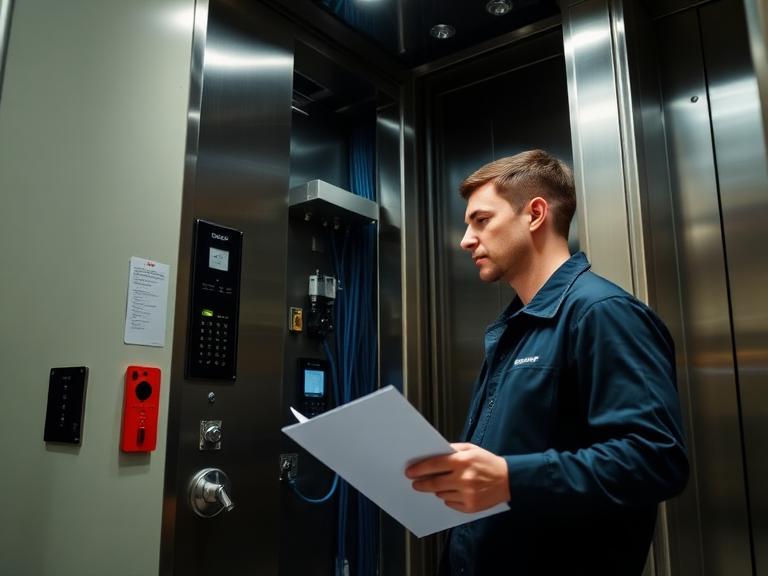
When an elevator stops working, building committees should perform basic preliminary checks before calling out a technician. This can save money by identifying minor, easily fixable issues.
Preliminary System Verification Steps
1.Verify Primary Power Delivery Infrastructure:Phase 1.
Check the main electrical panel in the building’s utility room to confirm all three phases are delivering balanced power. If the building is running on backup generator power, ensure the phase sequence has not reversed, which can trigger a safety shutdown on the elevator’s controller.
2.Inspect Floor Door Thresholds and Sills:Phase 2.
Examine the metal door tracks on every floor landing. Debris, small stones, or accumulated dust can prevent the mechanical door locks from closing fully, which breaks the elevator’s safety loop and prevents the cabin from moving.
3.Assess Infrared Light Curtains and Alignments:Phase 3.
Clean the vertical sensor strips on the elevator cabin doors with a dry cloth. Misaligned or dusty infrared sensors can falsely indicate an obstruction, preventing the doors from closing and locking the system in place.
4.Confirm Mechanical Emergency Stop Clearances:Phase 4.
Ensure the emergency stop switch inside the cabin has not been pressed accidentally. If the switch is clear but the lift remains unresponsive, check the main control panel for error codes before contacting an authorized service technician.
Safety Warning Note: Never attempt to bypass mechanical door interlocks or manipulate the main control panel logic loops to restore operation. Bypassing safety circuits can create dangerous conditions, including the risk of the cabin moving while doors are open, violating standard safety practices.
5. Comparative Evaluation: AMC Structures vs. Out-of-Warranty Costs
Building committees must decide whether to manage elevator maintenance through individual, on-call repairs or structured Annual Maintenance Contracts (AMC).
Comparative Operational Matrix
| Service Deliverable | On-Call / Out-of-Warranty Structure | Semi-Comprehensive AMC Plan | Fully Comprehensive AMC Plan |
| Annual Budget Impact | Variable; high risk of unexpected repair expenses. | Fixed baseline cost: ₹22,000 to ₹35,000/year. | Fixed premium cost: ₹45,000 to ₹85,000/year. |
| Routine Service Visits | None; calls are made only after a system failure occurs. | Includes routine bi-monthly or monthly maintenance checkups. | Includes monthly maintenance checkups and safety inspections. |
| Component Replacement Policy | All parts are billed at full retail price plus installation labor. | Covers minor wear components; major parts are billed separately. | Includes complete coverage for major components like motors and logic boards. |
| Technician Response Priority | Standard dispatch queues; response times can vary during peak hours. | Priority routing; typical on-site arrival within 4 hours. | Immediate response priority; dedicated emergency dispatch line. |
| Statutory Compliance Support | Building owner is responsible for managing inspectorate audits. | Includes standard safety documentation and inspection prep. | Provides full compliance management and inspection coordination. |
6. Regulatory Compliance: The Telangana Lifts Act and NBC 2016
Elevator maintenance is subject to strict regulatory oversight to ensure passenger safety.
A. Mandatory Annual Inspections and Licensing
Under the regulations enforced by the Telangana State Electrical Inspectorate, every commercial and multi-passenger residential elevator must hold a valid operation license. This license requires annual renewal following a physical safety inspection. If an inspector identifies worn cables, non-functional ARD systems, or bypassed safety switches, the building’s operating license can be suspended.
B. Standardized Safety Factor Requirements
The National Building Code (NBC) of India 2016 mandates specific safety features for passenger lifts:
- Infrared Light Curtains: Every passenger elevator door must feature a multi-beam infrared light curtain to prevent contact injuries. Retrofitting older cabins with this safety feature typically costs between ₹8,500 and ₹14,500.
- Overload Protection Devices (OLPD): Systems must include sensor mechanisms that detect loads exceeding rated capacity, sound an alarm, and prevent the elevator from running until the excess weight is removed. Adding an OLPD kit costs between ₹12,000 and ₹22,000.

7. Frequently Asked Questions (FAQs)
Q1: Our G+5 apartment elevator makes a scraping sound when passing specific floors. How much will this repair cost?
A: Scraping sounds are usually caused by worn guide shoes or misaligned guide rails. Over time, the structural inserts that guide the cabin smoothly along the vertical rails can wear down, allowing the metal frame to make contact with the rail. Replacing a set of guide shoes typically costs between ₹4,500 and ₹9,500, including parts and labor. If the rails themselves have shifted and require realignment, the total cost can range from ₹12,000 to ₹22,000.
Q2: Is a gearless elevator motor repair more expensive than a standard geared system?
A: Yes, repairing or replacing components on a gearless Permanent Magnet Synchronous Motor (PMSM) drive is generally more expensive than on a geared system. While gearless motors require fewer routine oil changes, their internal magnetic structures and complex electronic controls mean a major breakdown can cost between ₹65,000 and ₹1,40,000. Geared motor repairs, such as worm gear replacement or standard rewinding, typically range from ₹30,000 to ₹60,000.
Q3: Why do local Kukatpally technicians quote significantly lower prices for electronic repairs compared to authorized brand companies?
A: Independent technicians often quote lower prices because they perform component-level repairs, such as replacing individual blown transistors or capacitors on a damaged logic board. In contrast, authorized manufacturer service centers usually replace the entire printed circuit board assembly to guarantee reliability. While component-level repairs are more budget-friendly in the short term, they may lack extended warranties and long-term reliability.
Q4: How long can our residential community expect an elevator repair to take if the traction motor burns out?
A: If a traction motor requires complete rewinding due to an electrical fault or bearing failure, the typical turnaround time is 2 to 4 working days. This process involves safely removing the heavy motor assembly from the machine room, transporting it to a specialized workshop for rewinding and vacuum impregnation insulation treatment, and reinstalling it for load testing and safety calibration.
Q5: Can our housing society refuse an annual safety inspection if our lift is running smoothly under a private maintenance contract?
A: No, compliance with safety inspections is mandatory. The Telangana State Electrical Inspectorate requires regular safety validations for all multi-passenger elevators regardless of private maintenance agreements. Operating an elevator without a valid license or failing to complete required safety inspections can result in financial penalties and the suspension of the building’s utility connections.


Leave a Comment