
Table of Contents
Recurrent Fistula Treatment in Hyderabad
An anal fistula can be a challenging condition to manage, particularly when it returns after an earlier treatment or surgical procedure. Persistent discharge, discomfort, swelling near the anus or repeated episodes of infection may indicate that further medical assessment is needed. When symptoms return, patients may understandably worry about undergoing another procedure and how it could affect their recovery and daily activities.
Recurrent fistula treatment in Hyderabad involves identifying why the fistula has returned, assessing its pathway and relationship to the anal sphincter muscles, and selecting an appropriate treatment plan. The most suitable approach depends on the fistula’s complexity, previous procedures, current symptoms and the patient’s overall health.
A recurrent fistula should not automatically be treated in the same way as the original fistula. A specialist may need to review previous treatment records, investigate hidden branches or associated infection, and consider procedures designed to manage the fistula while protecting bowel control.
CosmoGut provides information about proctology and anorectal conditions through its Hyderabad clinic. Patients experiencing recurring symptoms can discuss their history and available treatment options with a qualified clinician.

Quick Answer: What Is the Treatment for a Recurrent Anal Fistula?
Recurrent anal fistula treatment depends on the location, complexity and cause of recurrence. A specialist may recommend clinical examination, selected imaging tests such as pelvic MRI, drainage of an abscess if present, or a procedure such as seton placement, LIFT or an advancement flap. Fistulotomy may be suitable for selected low fistulas, but it is not appropriate for every recurrent case.
Laser-based treatment may be considered for certain fistulas, although suitability and long-term success vary. No single technique is best for all patients. The priority is to control infection, treat the fistula pathway and preserve anal sphincter function.
What Is a Recurrent Anal Fistula?
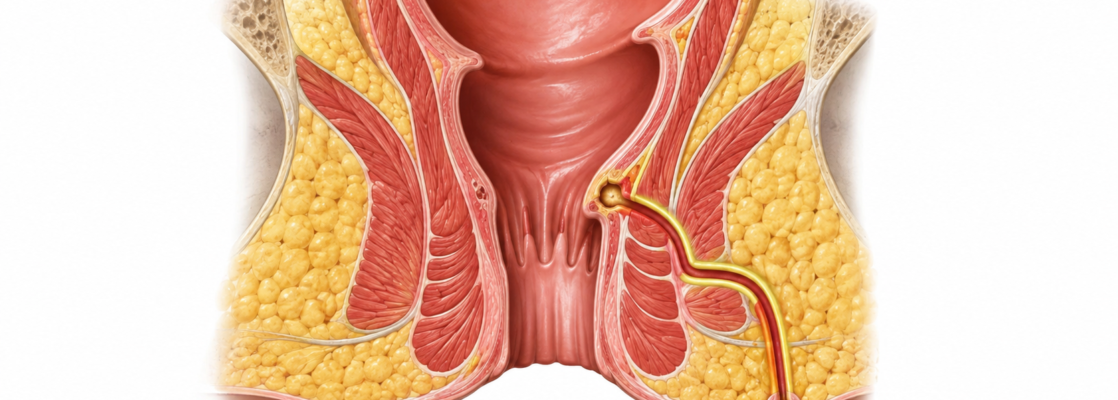
An anal fistula is an abnormal tunnel connecting the anal canal or rectum to the skin near the anus. It commonly develops following an infection in a small gland near the anal canal, which can lead to an abscess.
A fistula is described as recurrent when it returns after treatment or surgery, or when persistent disease becomes apparent following an earlier procedure. Recurrence may involve the original tunnel remaining open, a previously unrecognised branch, or a new tract developing in the same area.
Some patients notice that symptoms improve after treatment but return weeks or months later. Others experience continued drainage from an opening that never completely closes.
Common signs of recurrence
Symptoms that warrant medical evaluation include:
- Repeated discharge of pus, fluid or blood from an opening near the anus.
- Swelling or tenderness around the anal area.
- Pain that increases during sitting or bowel movements.
- Repeated abscess formation.
- An external opening that closes and later begins draining again.
- Skin irritation caused by ongoing discharge.
- Fever or increasing pain when an infection develops.
These symptoms do not confirm a fistula on their own. Other anorectal conditions can cause similar problems, so proper assessment is important.
Why Does an Anal Fistula Come Back?
Fistula recurrence can happen for several reasons. Understanding the possible cause helps a specialist plan the next stage of treatment.
1. Complex fistula anatomy
Some fistulas travel through or around the anal sphincter muscles, which help control bowel movements. Complex fistulas may have multiple branches, high extensions or more than one external opening.
These features can make complete treatment difficult. A procedure that is appropriate for a simple, low fistula may be unsuitable for a more complex tract.
2. Hidden branches or extensions
A fistula may contain secondary tunnels that are not obvious during an initial examination. If an additional branch is missed, symptoms may persist or return.
Imaging may help map the tract in selected patients, particularly when disease is recurrent or complex.
3. Persistent infection or an untreated abscess
An abscess is a collection of pus that may develop around the fistula. If an abscess remains untreated, infection can continue and interfere with healing.
A painful, enlarging swelling or fever requires prompt medical assessment. An abscess may need drainage before definitive fistula treatment can be considered.
4. The internal opening remains active
Many anal fistulas have an internal opening into the anal canal. If the source of the fistula remains active, the tract may fail to heal or may reopen after treatment.
Finding and managing the internal opening, where possible, is an important part of treatment planning.
5. Previous treatment was unsuitable for the fistula
Different fistulas require different approaches. A technique that does not adequately address the tract’s anatomy or underlying infection may not achieve lasting healing.
This does not necessarily mean that the previous surgeon made an error. Some fistulas are difficult to treat because of their location, branches or relationship to the sphincter muscles.
6. Underlying medical conditions
Certain conditions, including Crohn’s disease, can be associated with recurrent or complex fistulas. Other factors affecting wound healing or infection control may also need consideration.
If a fistula repeatedly returns, the clinician may review the patient’s medical history and decide whether additional investigation is appropriate.
When Should You Consult a Specialist?
Do not ignore repeated discharge, swelling or pain after fistula surgery. Arrange an assessment if symptoms persist, return after a period of improvement, or appear at a new opening near the anus.
Seek urgent medical attention if you develop fever, rapidly increasing pain, significant swelling, spreading redness or feel generally unwell. These can be signs of an abscess or another infection requiring prompt care.
Early evaluation can help identify whether the problem is a persistent fistula, a new tract, an abscess or a different anorectal condition.
How Is a Recurrent Anal Fistula Diagnosed?
Recurrent fistulas often require a careful evaluation because previous surgery can alter the anatomy and make the tract harder to assess.
Medical history
The clinician may ask about:
- The date and type of previous fistula procedures.
- How long the area healed before symptoms returned.
- The location and frequency of discharge.
- Previous abscesses or drainage procedures.
- Bowel symptoms and any history of inflammatory bowel disease.
- Medicines, other medical conditions and factors that may affect healing.
Bring previous operative notes, scan reports and discharge summaries if available. These records can help the treating specialist understand what has already been done.
Physical examination
A clinician may inspect the affected area and perform an appropriate examination to look for external openings, drainage, tenderness, scarring and signs of infection.
The examination is adapted to the patient’s symptoms and comfort. Additional evaluation may be needed if the tract cannot be clearly identified.
Pelvic MRI
Magnetic resonance imaging (MRI) can help map the fistula tract, identify secondary branches and assess its relationship to the sphincter muscles. It is particularly useful in many recurrent or complex cases.
Not every patient needs an MRI. The decision depends on the clinical findings and whether imaging is likely to change treatment planning.
Examination under anaesthesia
In selected cases, a specialist may recommend examining the fistula under anaesthesia. This can allow a more detailed assessment of the tract and drainage of an abscess when needed.
The appropriate diagnostic plan depends on the patient’s condition and the complexity of the fistula.
Treatment Options for Recurrent Fistula in Hyderabad
Treatment should be personalised. The objective is to control infection, address the fistula pathway and reduce the chance of further recurrence while protecting continence.
1. Drainage of an abscess
If an abscess is present, drainage may be necessary to control the infection. Antibiotics may be indicated in specific circumstances, but they do not usually eliminate an established anal fistula by themselves.
Definitive fistula treatment may be planned after the infection has been assessed and controlled.
2. Seton placement
A seton is a thin surgical thread or similar material placed through the fistula tract. Depending on the type used and the clinical goal, it can help maintain drainage or form part of a staged treatment plan.
Setons are often considered when the fistula involves a significant portion of the sphincter muscles or when immediate definitive surgery would carry an unacceptable risk.
A seton may remain in place for a period determined by the treating surgeon. It is not necessarily a permanent cure on its own.
3. LIFT procedure
Ligation of the intersphincteric fistula tract, commonly called LIFT, is a sphincter-preserving operation used for selected fistulas.
The procedure aims to identify and close the tract in the space between the sphincter muscles. It may be considered when the anatomy is suitable, including in some complex fistulas.
The outcome depends on factors such as tract anatomy, previous operations and individual healing. Recurrence remains possible.
4. Advancement flap
An advancement flap may be considered when closing the internal opening is an important part of the treatment plan and other techniques are unsuitable.
The surgeon uses nearby healthy tissue to cover the internal opening. Suitability depends on the fistula’s location, tissue condition, previous surgery and other clinical factors.
5. Fistulotomy for selected cases
A fistulotomy involves opening the fistula tract so it can heal from the base. It can be effective for suitable low fistulas that involve little sphincter muscle.
However, it is not suitable for every recurrent fistula. Opening a tract that crosses a substantial portion of the sphincter muscles can increase the risk of impaired bowel control. A specialist must assess the anatomy before recommending this procedure.
6. Laser-based fistula treatment
Laser-based techniques use energy delivered through a probe inside the fistula tract. The intended effect is to treat the tract while limiting damage to surrounding tissue.
Laser treatment may be an option for selected patients, but it is not appropriate for every fistula. Evidence about long-term healing and recurrence varies, particularly across different fistula types and techniques.
Patients should ask the surgeon about the expected benefits, the possibility of repeat procedures, available alternatives and the evidence supporting the recommended approach. The word “laser” alone does not guarantee better outcomes or prevent recurrence.
7. Treatment of an underlying condition
When Crohn’s disease or another underlying disorder contributes to fistula formation, care may require coordination between the surgeon and other specialists. Treating the underlying condition can be an important part of long-term management.
How Is the Right Treatment Selected?
The decision is based on more than the presence of an external opening. A specialist may consider:
- The exact pathway of the fistula.
- How much of the sphincter muscle is involved.
- Whether secondary branches or an abscess are present.
- The number and type of previous procedures.
- Existing bowel-control symptoms.
- Other medical conditions and healing factors.
- The patient’s preferences after discussing risks and benefits.
For recurrent disease, preserving sphincter function is especially important. The procedure with the highest chance of closing the tract is not automatically the best choice if it carries an unacceptable risk to continence.
Ask the treating specialist to explain why the proposed technique fits your specific anatomy and what alternatives are available.
What Is Recovery Like After Recurrent Fistula Surgery?
Recovery varies according to the procedure, the complexity of the fistula and the patient’s health. Some procedures involve an open wound that heals gradually, while others use a different approach to treating the tract.
Wound care and hygiene
Follow the surgeon’s instructions for cleaning the area, dressing changes and bathing. Gentle cleaning after bowel movements may help keep the area comfortable. Avoid applying unprescribed creams, antiseptics or home remedies to the wound.
Bowel movements
Keeping stools comfortably soft can reduce straining. Adequate fluids, appropriate dietary fibre and any recommended stool-softening treatment may help. Follow the clinician’s advice, especially if you have other digestive conditions.
Activity and work
The time needed to return to work and exercise depends on the procedure and recovery progress. Follow the surgeon’s advice about lifting, strenuous exercise, driving and other activities.
Follow-up appointments
Attend follow-up visits even if pain or discharge improves. The surgeon can assess healing, check for signs of infection and advise whether additional treatment is necessary.
Contact the treating team if symptoms worsen, discharge increases significantly, or the wound appears to be closing while swelling and pain develop underneath.
Risks and Possible Complications
Recurrent fistula treatment can involve several risks, depending on the procedure and the patient’s circumstances. These may include:
- Persistent fistula or recurrence.
- Delayed wound healing.
- Bleeding or infection.
- Pain or discomfort during recovery.
- The need for another procedure.
- Changes in bowel control, particularly when sphincter muscles are affected.
No procedure can guarantee permanent healing. Before treatment, discuss the expected benefits, the risks specific to your fistula, alternatives and the possibility of further surgery.
Choosing a Fistula Specialist in Hyderabad
When looking for recurrent fistula treatment in Hyderabad, consider the clinician’s experience in managing complex and previously treated fistulas, the availability of appropriate diagnostic assessment and a clear explanation of treatment options.
Useful questions to ask include:
- What is the likely reason my fistula has returned?
- Do I need an MRI or another investigation?
- How much of the anal sphincter is involved?
- Which treatment is suitable for my specific fistula, and why?
- What are the risks to bowel control?
- What is the possibility of recurrence or further surgery?
- What follow-up care will I need?
A reliable consultation should include an explanation of the diagnosis, realistic expectations and an opportunity to discuss alternatives. Be cautious of claims that any single technique guarantees a permanent cure.
CosmoGut is a Hyderabad-based clinic that provides information about proctology care. Patients can contact the clinic to enquire about an assessment and discuss whether its services are suitable for their condition.
Frequently Asked Questions
1. What is recurrent fistula treatment in Hyderabad?
It is the evaluation and management of an anal fistula that returns or persists after earlier treatment. Options depend on the fistula’s anatomy and may include seton placement, LIFT, advancement flap, selected fistulotomy or other procedures.
2. Why does an anal fistula return after surgery?
Recurrence may be related to complex anatomy, hidden branches, a persistent internal opening, ongoing infection or an underlying condition. A reassessment helps identify the likely cause.
3. Can a recurrent fistula be treated without surgery?
An established anal fistula generally requires a procedure to achieve closure or control the tract. Medication may help manage associated infection or an underlying disease, but it usually does not eliminate the fistula by itself.
4. Is laser treatment suitable for recurrent fistula?
Laser treatment may be suitable for selected fistulas. The decision depends on the tract’s anatomy, previous treatment and available evidence. Laser procedures do not guarantee permanent healing.
5. Is recurrent fistula more difficult to treat than a first-time fistula?
It can be more challenging because previous surgery may alter the anatomy and the fistula may have additional branches or scar tissue. The degree of difficulty varies from patient to patient.
6. Do I need an MRI for a recurrent anal fistula?
A pelvic MRI is often considered for recurrent or complex fistulas because it can help map the tract and secondary extensions. Your clinician will determine whether it is necessary.
7. What is a seton, and why is it used?
A seton is a thread-like material passed through the fistula tract. It can maintain drainage or form part of a staged treatment plan, especially when the tract involves the sphincter muscles.
8. What is the LIFT procedure?
LIFT stands for ligation of the intersphincteric fistula tract. It is a sphincter-preserving procedure used for selected fistulas and aims to close the tract between the sphincter muscles.
9. Can a recurrent fistula affect bowel control?
Some treatments carry a risk of changes in bowel control, particularly when substantial sphincter muscle is involved. Careful assessment and appropriate procedure selection help manage this risk.
10. How long does recovery take after recurrent fistula surgery?
Recovery time varies by procedure, fistula complexity and individual healing. Your surgeon can provide a more useful estimate after assessing the fistula and selecting a treatment plan.
11. Can an anal fistula return after laser treatment?
Yes. Recurrence is possible after laser treatment as well as other procedures. Follow-up is important to assess healing and identify persistent or returning symptoms.
12. Does recurrent fistula always require another operation?
Not every case follows the same pathway. The specialist first needs to confirm the diagnosis, identify infection and assess the fistula. A procedure is commonly required for an established fistula, but the timing and type depend on the findings.
13. What symptoms suggest that my fistula has returned?
Recurring discharge, swelling, tenderness, repeated abscesses or an opening that closes and reopens can indicate recurrence. A clinical examination is needed to establish the cause.
14. Can antibiotics cure a recurrent anal fistula?
Antibiotics may be used when indicated for an associated infection, but they generally do not close an established fistula tract. Treatment should be based on the clinical assessment.
15. Can Crohn’s disease cause recurrent fistulas?
Yes. Crohn’s disease can be associated with complex and recurrent perianal fistulas. Patients with suspected or known Crohn’s disease may need coordinated care involving relevant specialists.
16. When should I seek urgent care for a recurrent fistula?
Seek urgent medical attention for fever, rapidly worsening pain, significant swelling, spreading redness or feeling acutely unwell. These may indicate an abscess or another infection that needs prompt assessment.
17. How do I choose a recurrent fistula specialist in Hyderabad?
Look for a qualified clinician who assesses fistula anatomy, explains sphincter-related risks, discusses alternatives and provides follow-up care. Ask about the rationale for the recommended procedure and the possibility of recurrence.
18. What should I bring to my fistula consultation?
Bring previous operative notes, imaging reports, discharge summaries, medication details and a timeline of symptoms. These can help the specialist understand the history and plan further assessment.
19. Can a recurrent fistula heal on its own?
An established anal fistula is unlikely to resolve reliably without appropriate treatment. Symptoms may temporarily settle even when the tract remains. Medical assessment is advisable if symptoms persist or return.
20. Where can I enquire about recurrent fistula treatment in Hyderabad?
You can contact a qualified colorectal or general surgeon experienced in proctology. CosmoGut is one Hyderabad-based clinic to enquire with about assessment and available treatment options.

Conclusion
Recurrent anal fistulas need a careful, individualised approach. Repeated discharge, swelling or pain after earlier treatment should prompt reassessment rather than repeated self-treatment. Identifying the fistula’s pathway, checking for infection and understanding its relationship to the anal sphincter can help guide the next treatment decision.
For people exploring recurrent fistula treatment in Hyderabad, the most important considerations are an accurate diagnosis, a clear explanation of treatment options, realistic discussion of recurrence risk and protection of bowel control. A qualified specialist can help determine the next appropriate step.
Medical disclaimer: This article is for general educational purposes and does not replace medical diagnosis or treatment. Seek professional advice for persistent symptoms and urgent care for signs of significant infection.