

Table of Contents
Best Bedtime Routine for Children: The Complete Evidence-Based Guide
Every evening, millions of households face the same recurring challenge: transitioning a high-energy child from the excitement of daytime activity to the calm required for deep, restorative sleep. What should be an intimate, peaceful end to the day often transforms into a sequence of negotiations, stalling tactics, emotional meltdowns, and parental exhaustion.
This friction rarely stems from intentional bad behavior. In most cases, it is the result of a biological disconnect: asking a young brain operating in high gear to shut off instantly without an effective transition phase.
Establishing the best bedtime routine for children provides the bridge required to move your child smoothly from alertness to rest. Supported by pediatric neuroscience, circadian biology, and behavioral psychology, a structured wind-down framework trains the central nervous system to relax predictably every single night.
This guide outlines the science of childhood sleep, presents a master 5-step routine, provides age-specific schedules, delivers environmental setup guidelines, and shares practical boundary-setting strategies to create peaceful evenings at home.
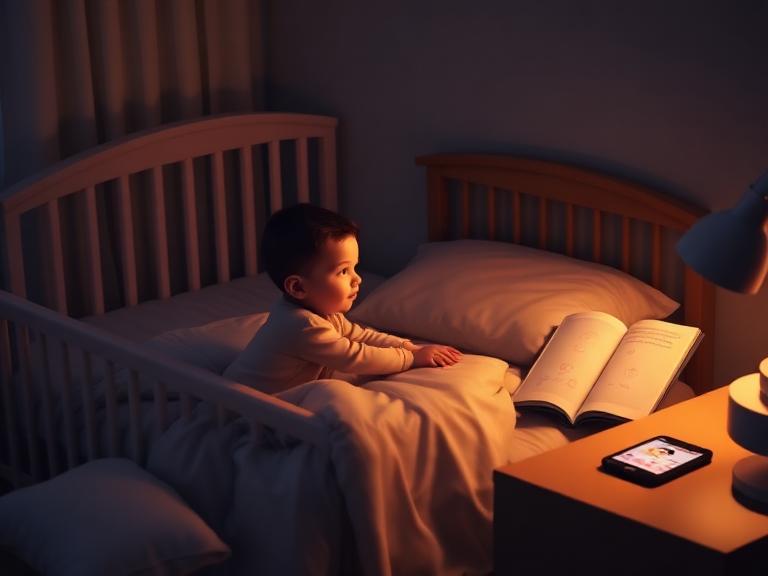
1. The Neuroscience of the Perfect Evening Wind-Down
Why does a structured sequence work so reliably? The answer lies in human neurobiology and circadian physiology.
                         ┌────────────────────────────────────────┐
                         │   THE BEDTIME NEUROBIOLOGY PATHWAY     │
                         └───────────────────┬────────────────────┘
                                             │
         ┌───────────────────────────────────┴───────────────────────────────────┐
         ▼                                                                       ▼
┌─────────────────────────────────┐                             ┌─────────────────────────────────┐
│     HIGH DAYTIME STIMULATION    │                             │      EVENFLOW WIND-DOWN ROUTINE │
│ - High Sympathetic Tone         │                             │ - Parasympathetic Activation    │
│ - Cortisol Dominance (Alertness)│ ──── STEP-BY-STEP ROUTINE ─►│ - Pineal Melatonin Release      │
│ - Elevated Core Body Temp       │                             │ - Core Body Temp Drop           │
└─────────────────────────────────┘                             └─────────────────────────────────┘
During the day, a child’s autonomic nervous system operates primarily in sympathetic dominance (“fight, flight, or activity”). If a child is moved abruptly from bright lights, toys, or television screens directly into bed, their nervous system remains hyperaroused.
The best bedtime routine for children acts as a deliberate brake system, triggering parasympathetic dominance (“rest and digest”) through four biological mechanisms:
- Circadian Entrainment: Performing identical steps in the same order at the same time creates an associative neurological trigger. The brain learns that Step A leads to Step B, which means sleep is imminent.
- Endogenous Melatonin Synthesis: Dimming ambient lighting 45 minutes before bed signals the pineal gland to convert serotonin into melatonin, inducing natural physiological sleepiness.
- Core Body Temperature Shift: A warm bath dilates peripheral blood vessels (vasodilation). When the child steps out into a cooler room, their core body temperature drops rapidly—a key signal that initiates deep non-REM sleep.
- Reduction of Cortisol: Predictable routines lower anxiety, keeping stress hormones low so sleep onset occurs naturally without panic or frustration.
2. Age-Based Bedtime Schedules & Wake Windows
A bedtime routine is most effective when synchronized with a child’s biological sleep pressure. Lying in bed too early leads to frustration and stalling, while going to bed too late triggers overtiredness and cortisol spikes.
| Age Category | Nightly Sleep Needs | Pre-Bed Wake Window | Optimal Bedtime Window | Core Focus of Routine |
| Infants (4–12 Months) | 12 to 16 Hours (Total) | 2.5 to 3.5 Hours | 18:30 – 19:30 | Feeding, bath, gentle massage, lullaby, crib transfer. |
| Toddlers (1–2 Years) | 11 to 14 Hours (Total) | 4.0 to 5.5 Hours | 18:45 – 19:30 | Visual schedule cards, firm limits, simple choices. |
| Preschoolers (3–5 Years) | 10 to 13 Hours (Night) | 5.5 to 7.0 Hours | 19:00 – 20:00 | Emotional connection, storybooks, dark-fear management. |
| School-Age (6–12 Years) | 9 to 12 Hours (Night) | 7.0 to 9.0 Hours | 19:30 – 20:30 | Independent reading, screen-free chat, school prep. |
3. The 5-Step Master Bedtime Routine Blueprint
The ideal duration for a child’s evening routine is 30 to 45 minutes. Routines under 20 minutes do not allow enough time for the nervous system to relax, while routines over 60 minutes often lead to overtiredness and endless negotiations.
                          ┌────────────────────────────────────────┐
                          │   THE 5-STEP BEDTIME FRAMEWORK         │
                          └───────────────────┬────────────────────┘
                                              │
         ┌───────────────────┬────────────────┴───────────────────┬───────────────────┐
         ▼                   ▼                                    ▼                   ▼
┌─────────────────┐ ┌─────────────────┐                  ┌─────────────────┐ ┌─────────────────┐
│ Step 1: Digital │ │ Step 2: Thermal │                  │ Step 3: Hygiene │ │ Step 4: Connection│
│ & Light Reset   │ │ Warm Wash/Bath  │                  │ & Sleepwear     │ │ & Story Time    │
│ T-45 Minutes    │ │ T-35 Minutes    │                  │ T-25 Minutes    │ │ T-15 Minutes    │
└─────────────────┘ └─────────────────┘                  └─────────────────┘ └─────────────────┘
                                              │
                                              ▼
                                     ┌─────────────────┐
                                     │ Step 5: Lights  │
                                     │ Out & Exit      │
                                     │ T-0 Minutes     │
                                     └─────────────────┘
1.Environment Reset & Digital Shutdown:T-45 Minutes.
Turn off all televisions, tablets, smartphones, and computers. Switch main overhead lighting to soft, warm lamps (2700K or lower) to start triggering natural melatonin release.
2.Warm Bath or Soothing Hygiene Wash:T-35 Minutes.
Enjoy a 10-minute warm bath or shower. The drop in core body temperature immediately after stepping out of the warm water acts as a natural physiological sleeping cue.
3.Pyjamas, Dental Care & Bedroom Transition:T-25 Minutes.
Move directly into the bedroom. Put on comfortable cotton pyjamas, brush teeth thoroughly, and use the bathroom one final time to eliminate physical discomfort.
4.Shared Reading & Emotional Connection:T-15 Minutes.
Sit together in cozy bedding and read 1 to 2 calm stories. Use this time to connect, asking: “What was your favorite part of today?” or “Is there anything on your mind before we sleep?”
5.Final Anchor Cue, Sound Setup & Independent Exit:T-0 Minutes.
Turn on continuous white or pink noise, give a warm hug, turn off the bedside lamp, and say your standard goodbye phrase (e.g., “I love you, you are safe, goodnight”). Exit while your child is drowsy but still awake.
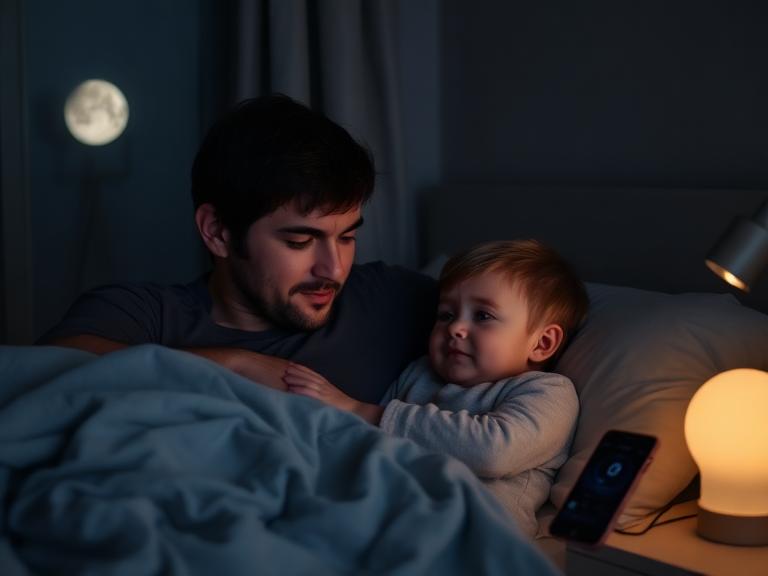
4. Advanced Behavioral Strategies for Stalling & Resistance
Even with a structured sequence, children frequently attempt to extend the evening by asking for extra water, additional stories, or extra hugs. These strategies help establish firm boundaries while maintaining a supportive relationship.
                        ┌────────────────────────────────────────┐
                        │   BEHAVIORAL BOUNDARY MANAGEMENT      │
                        └───────────────────┬────────────────────┘
                                            │
         ┌───────────────────┬──────────────┴──────────────┬───────────────────┐
         ▼                   ▼                             ▼                   ▼
┌─────────────────┐ ┌─────────────────┐           ┌─────────────────┐ ┌─────────────────┐
│ Visual Routine  │ │ The Bedtime     │           │ The Silent      │ │ Structured      │
│ Board           │ │ Pass            │           │ Return          │ │ Choices         │
│ Externalizes    │ │ Limits extra    │           │ Neutral return  │ │ Autonomy within │
│ rules clearly   │ │ nightly requests│           │ to bed          │ │ fixed boundaries│
└─────────────────┘ └─────────────────┘           └─────────────────┘ └─────────────────┘
1. The Visual Routine Board
Children often push back against verbal orders (“Put your pyjamas on now!”), perceiving them as a power struggle. A Visual Routine Board displays simple pictures of each step:
[ Bath ] ──► [ Pyjamas ] ──► [ Brush Teeth ] ──► [ Read Book ] ──► [ Lights Out ]
When resistance arises, refer back to the chart: “Let’s check our board! What is the next picture showing us?” This externalizes authority, making compliance smoother and less stressful.
2. The Physical “Bedtime Pass” System
For kids aged 3 and up who stall after lights out, introduce a physical Bedtime Pass.
- Rules: Hand your child one laminated card before bed. They may exchange this pass for one final, 60-second request (a cup of water, a quick hug, or a bathroom visit).
- Execution: Once turned in, the pass is gone for the night. If unused, they can trade it the next morning for a small privilege (such as picking a morning song or choosing their breakfast). This system gives kids a feeling of control while maintaining strict boundaries.
3. The Silent Return Technique
If your child leaves their bed after lights out, avoid long speeches, scolding, or emotional reactions, which can inadvertently act as a reward for staying up.
- First Exit: Walk them back to bed calmly, say once: “It’s bedtime, you are safe,” tuck them in, and leave.
- Subsequent Exits: Avoid eye contact, lectures, or emotional engagement. Gently guide them back to bed, tuck them in, and walk out immediately.
- Outcome: Removing all extra stimulation teaches your child that getting out of bed yields zero entertainment or extra attention.
5. Bedroom Optimization Checklist
Optimizing the physical environment helps prevent unnecessary night awakenings and makes falling asleep easier.
| Sensory Element | Problematic Setup | Recommended Environment |
| Room Temperature | Above 22°C (72°F) or under 16°C (60°F) | 18°C to 20°C (65°F to 68°F) |
| Lighting Exposure | Blue/white LEDs, bright hallway light | Total darkness or warm amber/red nightlights |
| Acoustic Environment | Sudden household noises, TV sounds | Continuous white or pink noise (50–60 dB) |
| Sleep Fabrics | Heat-trapping synthetic fibers | 100% breathable organic cotton bedding |
6. A 4-Week Implementation Roadmap
Week 1: Stabilize Wake Times & Lighting
 └─ Lock in a consistent morning wake-up time, ensure early daylight exposure, and shut off all screens 60 minutes before bed.

Week 2: Introduce the 5-Step Routine
 └─ Build a visual routine chart, maintain the exact same sequence every night, and cap the total duration at 45 minutes.

Week 3: Enforce Boundaries & Limits
 └─ Introduce the Bedtime Pass for extra requests, apply the Silent Return method neutrally, and stay consistent.

Week 4: Support Independent Sleep Onset
 └─ Practice leaving the bedroom while your child is drowsy but awake, helping them build independent self-soothing skills.
7. Frequently Asked Questions (FAQs)
Q1: What is the best bedtime routine for children?
The best bedtime routine for children is a predictable, 30-to-45-minute sequence consisting of 5 main steps: screen shutdown and lighting dim, a warm bath or wash, hygiene and pyjamas, quiet reading or storytelling, and a final connection cue with lights out.
Q2: What time should children go to bed based on age?
Ideal bedtimes vary by age: Infants (4-12m) typically need sleep between 18:30 and 19:30; Toddlers (1-2y) between 18:45 and 19:30; Preschoolers (3-5y) between 19:00 and 20:00; and School-age kids (6-12y) between 19:30 and 20:30.
Q3: How long should an evening wind-down routine last?
An optimal wind-down routine lasts between 30 and 45 minutes. Anything shorter than 20 minutes fails to lower nervous system arousal, while routines longer than 60 minutes risk overtiredness and boundary testing.
Q4: Why is screen time before bed harmful to a child’s sleep?
Screens emit high-intensity blue light that suppresses the brain’s release of melatonin (the sleep hormone) for up to 2 hours. Furthermore, interactive media triggers dopamine and cortisol, keeping the nervous system alert.
Q5: How does a warm bath help children fall asleep faster?
A warm bath increases blood flow to the skin’s surface. When the child steps out, body heat dissipates rapidly, creating a drop in core temperature that mimics the body’s natural physiological trigger for sleep onset.
Q6: How do you handle a child who stalls continuously during bedtime?
Use a visual routine chart to make expectations clear, implement a physical Bedtime Pass (allowing one final request like water or a hug), and maintain a calm, neutral tone without engaging in long negotiations.
Q7: What color nightlight is best for a child’s bedroom?
Red, amber, or warm orange light is best. Unlike cool blue or white light, these warm wavelengths do not suppress melatonin production or disrupt circadian rhythms.
Q8: Should children have a bedtime snack as part of their routine?
If dinner was served early, a light snack combining complex carbohydrates and tryptophan (like whole-grain toast with almond butter or a banana) about 45 minutes before bed stabilizes blood sugar and supports sleep.
Q9: How do I stop my child from getting out of bed after lights out?
Apply the Silent Return method: guide your child back to bed calmly, quietly, and with minimal eye contact or emotion. Repeating this consistently teaches them that leaving bed results in zero extra stimulation.
Q10: Can white noise improve a child’s bedtime routine?
Yes. Continuous white or pink noise at 50–60 decibels masks sudden household sounds and acts as a consistent sensory cue that signals it is time to sleep.
Q11: How do weekend schedule changes disrupt a child’s bedtime routine?
Shifting sleep or wake times by more than 30–60 minutes on weekends causes “social jetlag,” throwing off the circadian rhythm and making Sunday night sleep onset difficult.
Q12: How do you maintain the best bedtime routine when traveling?
Replicate home sleep cues as closely as possible: bring familiar pyjamas, favorite books, the same white noise setup, and perform the exact 5 steps in the same order regardless of location.
Q13: What is the best way to transition a child from crib to bed without ruining the routine?
Keep the steps of your routine identical before and after the move. Introduce a visual cue clock (light turns green when it’s time to wake) and maintain strict, gentle return boundaries.
Q14: How does emotional connection during bedtime reduce sleep resistance?
Bedtime requires 10-12 hours of separation. Spending 15-20 minutes of undivided, positive connection during the wind-down fills the child’s emotional tank, lowering separation anxiety and stress.
Q15: When should parents consult a doctor about bedtime struggles?
Consult a pediatrician if your child struggles with persistent sleep onset lasting over 60 minutes despite a strict routine, exhibits chronic snoring or mouth breathing, experiences extreme anxiety, or suffers severe daytime fatigue.
8. Conclusion: Creating Restorative Evenings for Your Family
Designing and maintaining the best bedtime routine for children is one of the most effective ways to support your child’s emotional regulation, cognitive growth, and physical health. By aligning your evening sequence with natural biology, setting clear behavioral boundaries, and ensuring a comfortable room environment, you help your child build healthy sleep habits that last a lifetime.