
Table of Contents
Next-Generation Logistics Trends Shaping Global Shipping in 2025 and Beyond
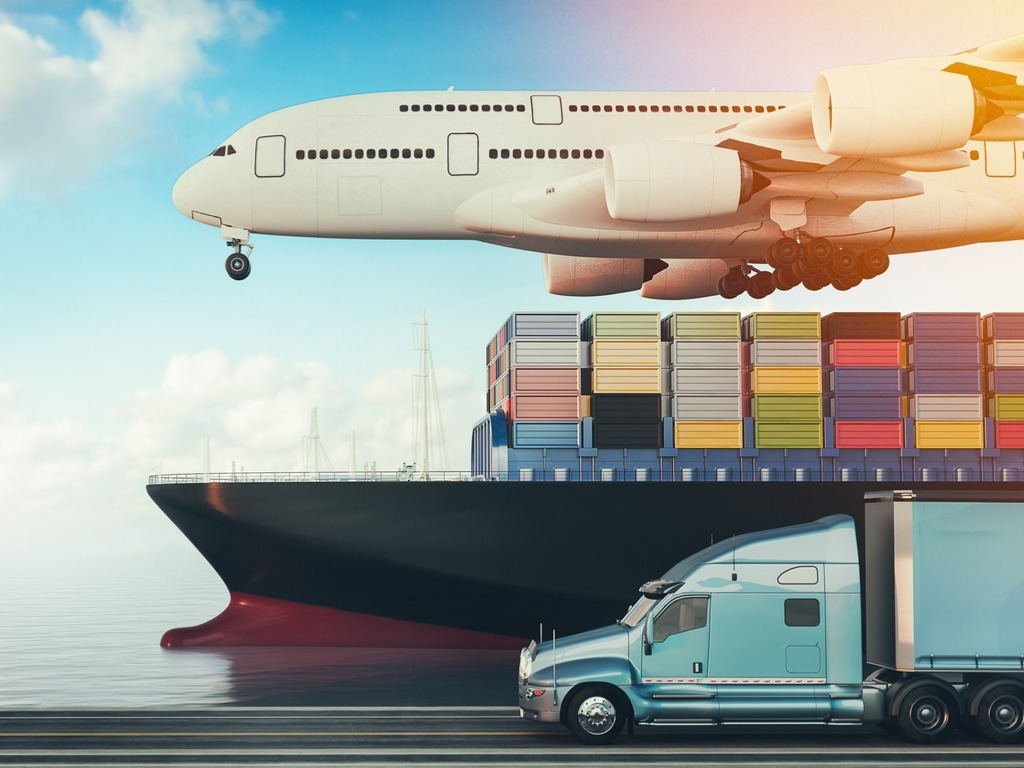
The logistics and shipping industry is undergoing its most significant transformation in decades. What once depended heavily on manual coordination, paperwork, and reactive decision-making is now evolving into a technology-driven, predictive, and highly optimized global system.
In 2025, logistics is no longer just about moving goods from Point A to Point B. It is about speed, intelligence, resilience, sustainability, and adaptability.
This guide explores the next-generation logistics trends that are redefining global shipping, freight forwarding, and supply chain management — and explains what these changes mean for businesses, exporters, and international trade hubs like Dubai.
Why Logistics Is Entering a New Era
Several global forces are reshaping logistics simultaneously:
- Rising global trade complexity
- E-commerce acceleration
- Supply chain disruptions
- Geopolitical shifts
- Sustainability regulations
- Technology maturity
These pressures are pushing logistics beyond traditional models toward smarter, more resilient systems.
Trend 1: Intelligent & Predictive Logistics Planning
One of the most important next-generation shifts is the move from reactive logistics to predictive logistics.
What This Means
Instead of responding to delays after they happen, logistics systems now:
- Predict congestion
- Forecast demand spikes
- Anticipate weather or route disruptions
- Adjust capacity in advance
This allows businesses to:
- Reduce delays
- Optimize inventory
- Improve delivery accuracy
Predictive logistics is becoming a baseline expectation rather than a competitive advantage.
Trend 2: Digital Freight Forwarding Ecosystems
Traditional freight forwarding relied heavily on emails, phone calls, and manual coordination. The next generation replaces this with integrated digital platforms.
Key Changes
- Centralized shipment visibility
- Digital documentation workflows
- Automated compliance checks
- Real-time tracking dashboards
These systems reduce errors, improve transparency, and increase trust between shippers and logistics partners.
Dubai, as a global logistics hub, is actively adopting these digital models across ports, airports, and customs systems.
Trend 3: Multimodal Logistics Becomes the Norm
Rather than choosing a single transport mode, next-generation logistics increasingly combines:
- Sea freight
- Air freight
- Road and rail
- Inland container depots
Why This Matters
- Reduces dependency on one route
- Improves cost-speed balance
- Enhances supply chain resilience
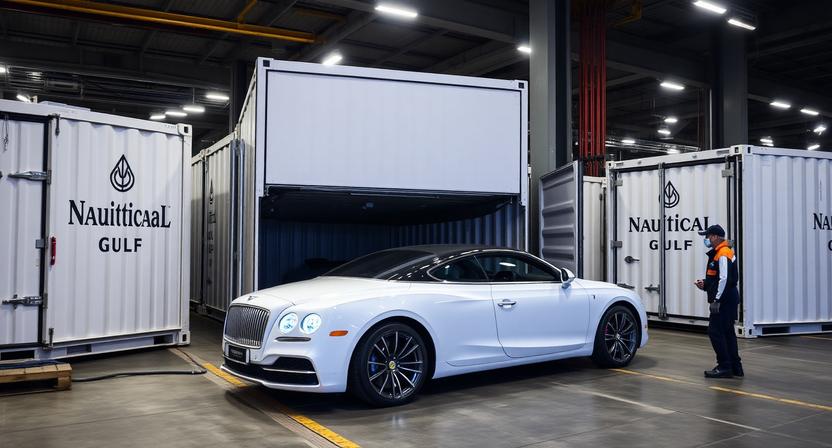
Multimodal shipping is especially important for regions connecting multiple continents — making Dubai a natural leader in this evolution.
Trend 4: Sustainability & Green Logistics
Environmental responsibility is no longer optional.
What’s Changing
- Cleaner fuels for shipping and aviation
- Carbon reporting requirements
- Optimized routes to reduce emissions
- Sustainable packaging practices
Businesses are increasingly expected to demonstrate responsible logistics planning, especially in global trade.
Green logistics doesn’t just reduce environmental impact — it also improves efficiency and long-term cost stability.
Trend 5: Automation Across Logistics Operations
Automation is transforming nearly every logistics function.
Areas Being Automated
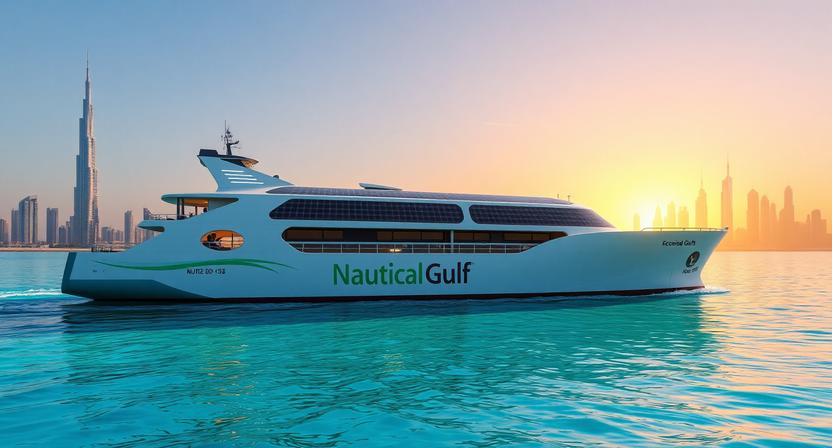
- Cargo handling at ports
- Warehouse operations
- Customs documentation processing
- Route planning
- Shipment tracking updates
Automation improves:
- Accuracy
- Speed
- Safety
- Scalability
Ports and logistics hubs that embrace automation gain a long-term competitive edge.
Trend 6: Smarter Customs & Trade Compliance
Customs clearance has historically been a bottleneck in global shipping. Next-generation logistics focuses on pre-clearance and digital compliance.
Key Developments
- Digital customs declarations
- Risk-based inspections
- Automated duty calculations
- Cross-border data sharing
Dubai’s customs systems already reflect many of these advancements, making it one of the most efficient export hubs globally.
Trend 7: Customer-Centric Logistics Experience
Modern logistics is no longer invisible to customers.
New Expectations
- Real-time shipment visibility
- Transparent pricing logic
- Faster response times
- Proactive communication
Logistics providers are evolving from backend operators to strategic service partners who influence customer satisfaction and brand trust.
Trend 8: Resilient Supply Chain Design
Recent global disruptions exposed weaknesses in overly centralized supply chains.
Next-Generation Approach
- Diversified sourcing
- Regional distribution hubs
- Flexible routing
- Buffer inventory planning
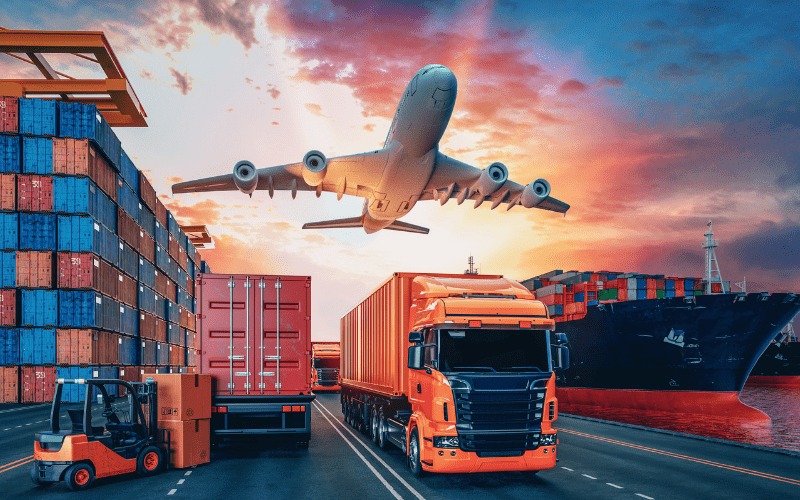
Logistics is now viewed as a risk management function, not just an operational one.
Trend 9: Growth of Cross-Border E-Commerce Logistics
E-commerce continues to redefine shipping expectations.
Key Impacts
- Smaller, more frequent shipments
- Faster delivery commitments
- Higher return volumes
- Increased customs complexity
Next-generation logistics systems are designed to handle high-volume, low-margin, time-sensitive shipments efficiently.
Trend 10: Data-Driven Decision Making
Data is becoming the backbone of logistics strategy.
What Data Enables
- Performance benchmarking
- Route optimization
- Cost forecasting
- Capacity planning
Logistics decisions backed by data outperform intuition-based planning — especially at scale.
Dubai’s Role in Next-Generation Logistics
Dubai sits at the intersection of these global trends.
Its advantages include:
- Strategic geographic position
- World-class infrastructure
- Digital customs systems
- Multimodal connectivity
- Strong regulatory frameworks
As global logistics evolves, Dubai is positioned not just to participate — but to lead.
What This Means for Businesses
Companies that adapt to next-generation logistics trends will benefit from:
- Faster market access
- Lower operational risk
- Better cost control
- Higher customer satisfaction
Those that don’t may struggle with delays, inefficiencies, and rising costs.
The Evolving Role of Logistics Partners
Logistics partners are no longer just service providers.
They are expected to:
- Offer strategic guidance
- Provide market insights
- Anticipate challenges
- Deliver consistent reliability
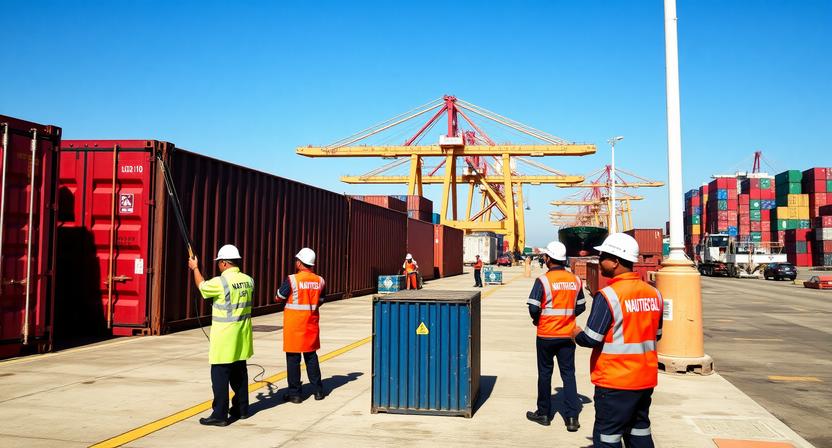
This shift explains why businesses often gravitate toward logistics companies with proven expertise, strong regional knowledge, and adaptive operational models — such as https://nauticalgulf.com/ — when navigating complex international shipping environments.
Future Outlook: 2025 and Beyond
Looking ahead, logistics will continue to evolve through:
- Greater automation
- Deeper digital integration
- Smarter trade compliance
- Sustainable shipping models
- AI-assisted planning
The companies that succeed will be those that treat logistics as a strategic capability, not a cost center.
Final Thoughts
Next-generation logistics is not a distant future — it is already shaping global shipping today.
Understanding these trends allows businesses to:
- Make informed shipping decisions
- Build resilient supply chains
- Stay competitive in global markets
As logistics continues to transform, informed planning and experienced execution will remain the foundation of successful international trade.