
Table of Contents
Yoga for Hormonal Balance in Chennai | Wellness Guide
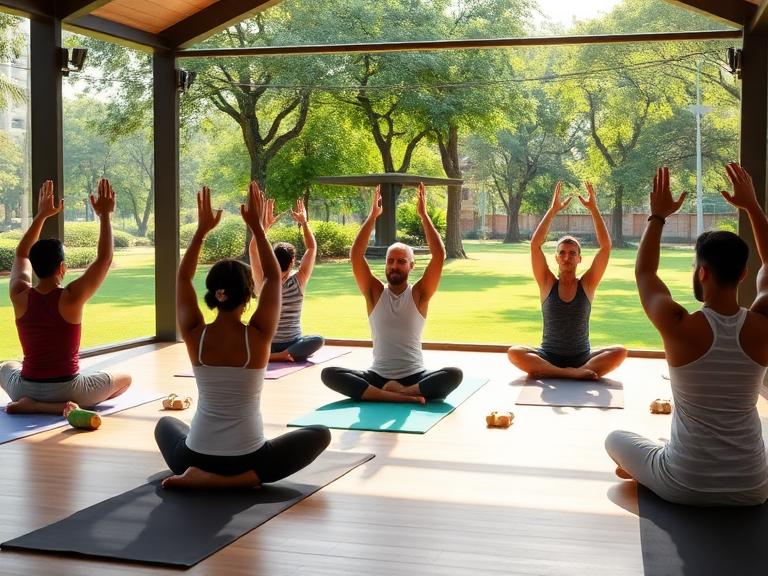
Yoga for hormonal balance is an integrative wellness practice that utilizes specific asanas, pranayama (breathwork), and meditation to support the endocrine system. In Chennai, residents can access these benefits through various formats, including traditional indoor studios, personalized home sessions, and immersive nature-based practices. For those seeking a connection with the environment, options such as Outdoor Yoga Chennai offer structured outdoor and online yoga sessions for different needs, focusing on holistic health and stress reduction. Whether through dynamic Vinyasa or restorative Hatha, these classes aim to regulate cortisol levels and improve overall physiological equilibrium in an urban setting.

Why Yoga Is Popular in Chennai
Chennai has long been recognized as a global hub for traditional wellness and modern healthcare. The city’s relationship with yoga is deeply rooted in its cultural fabric, yet it has evolved significantly to meet the demands of a fast-paced, 21st-century lifestyle.
The popularity of yoga in the city is driven by several key factors:
- Climate and Natural Spaces: Despite the coastal humidity, Chennai offers beautiful early morning environments. The sea breeze along the Marina and Besant Nagar coastlines provides a natural setting for deep breathing exercises, which are essential for hormonal regulation.
- Urban Stress Management: As a major IT and manufacturing hub, the city’s professional population faces high levels of occupational stress. Yoga serves as a vital tool for balancing the “fight or flight” response, which is crucial for maintaining healthy insulin and cortisol levels.
- A Shift Toward Holistic Health: There is a growing movement among Chennai residents to move beyond purely aesthetic fitness. People are increasingly seeking “internal” results, such as improved sleep, better digestion, and hormonal stability, which yoga is uniquely positioned to provide.
- Community and Heritage: With deep ties to traditional Krishnamacharya-style yoga, the city possesses a high density of qualified practitioners, making authentic guidance more accessible than in many other metropolitan areas.
Types of Yoga Classes Available in Chennai
The wellness landscape in Chennai is diverse, catering to different preferences, fitness levels, and health goals. Those looking for yoga for hormonal balance can choose from several specialized formats:
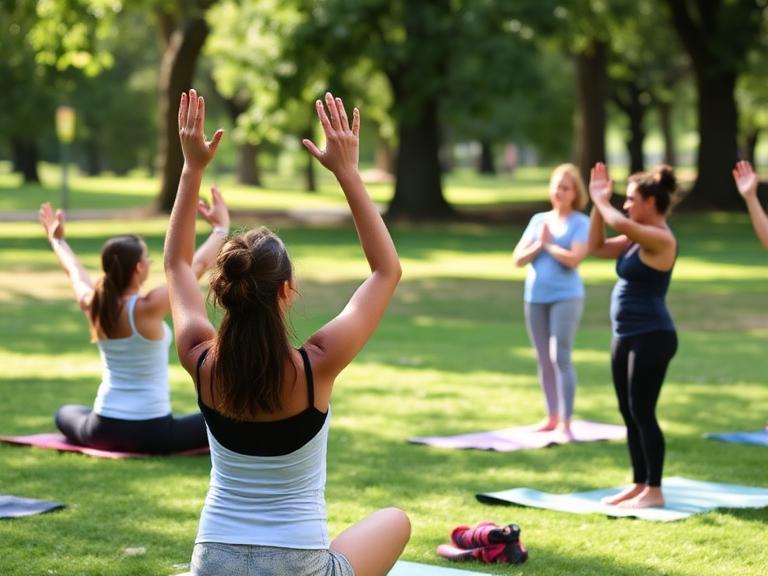
- Outdoor Yoga: These sessions take advantage of the city’s parks and beachfronts. Practicing in natural light helps regulate the circadian rhythm, which is a foundational element of hormonal health.
- Studio-Based Yoga: Traditional centers provide a controlled environment, often utilizing props like bolsters and blocks to assist in restorative poses that support the thyroid and adrenal glands.
- Online Yoga Classes: For the busy professional or those managing household responsibilities, virtual sessions offer flexibility. These are particularly effective for consistent daily practice, which is key to seeing long-term endocrine benefits.
- Yoga for Women: Specifically designed programs that focus on life stages such as puberty, PCOS management, prenatal care, and menopause. These classes emphasize pelvic health and endocrine stimulation.
- Beginner-Friendly Programs: Gentle introductions to hatha yoga that focus on alignment and breath, ensuring that new practitioners do not over-exert themselves, which can otherwise spike stress hormones.
What to Look for in a Good Yoga Class or Institute
Selecting the right environment is critical when practicing yoga for hormonal balance, as the endocrine system responds sensitively to the quality of the practice and the environment.
Instructor Experience
A qualified instructor should understand the physiological impact of different asanas. For hormonal health, they should be able to explain how specific inversions (like Sarvangasana) or twists affect blood flow to the glands. Check for certifications from reputable bodies like the Yoga Alliance or Quality Council of India.
Class Structure
A well-rounded class should not just be a physical workout. It must include:
- Centering: A period to disconnect from external stressors.
- Asana: Physical postures tailored to the group’s energy levels.
- Pranayama: Breathing techniques to calm the nervous system.
- Savasana: A dedicated period of rest to allow the body to integrate the benefits.
Safety and Adaptability
Every body is different. A high-quality institute will offer modifications for practitioners with injuries or specific conditions like hypertension or thyroid imbalances. The “one size fits all” approach is generally ineffective for hormonal wellness.
Group vs. Personalized Sessions
While group classes foster community, personalized sessions allow for a deep dive into specific hormonal concerns. Many practitioners in Chennai start with a few private sessions to build a foundation before joining a group setting.
Who Benefits Most From Yoga Classes
Yoga is a universal practice, but certain demographics in Chennai may find it particularly transformative for their specific lifestyle challenges.
- Working Professionals: Long hours at a desk can lead to postural issues and chronic stress. Yoga helps counteract the physical and mental toll of corporate life.
- Women: From managing menstrual cycles to navigating the transitions of menopause, yoga provides a non-invasive way to support hormonal fluctuations throughout life.
- Beginners: Individuals who have never exercised before find yoga to be an accessible entry point into wellness due to its low-impact nature.
- Seniors: For the elderly population in Chennai, yoga helps maintain bone density and joint mobility, while gentle pranayama supports respiratory and heart health.
- People Seeking Stress Relief: Anyone dealing with the psychological pressures of urban living can benefit from the parasympathetic nervous system activation that yoga encourages.
When Online or Outdoor Yoga Makes Sense
The choice between online and outdoor yoga often depends on an individual’s schedule and environmental needs.
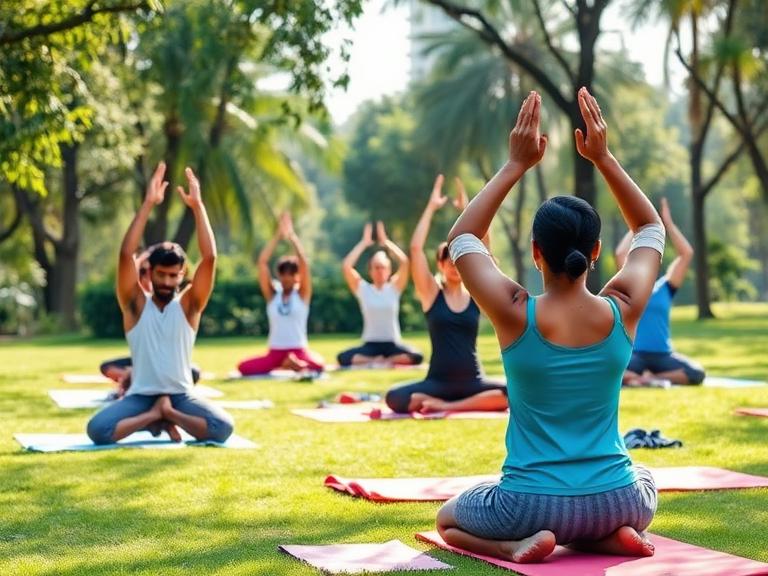
Outdoor yoga is highly beneficial for those who feel “boxed in” by office or home environments. The exposure to fresh air and the grounding effect of being in nature can significantly lower cortisol levels. For those interested in this approach, looking into yoga classes in Chennai that prioritize open-air environments can provide a refreshing change of pace.
Online yoga, conversely, makes sense when consistency is the priority. For many Chennai residents, commuting through traffic can be a deterrent to regular practice. Virtual sessions remove this barrier, allowing for a seamless transition from work or home life to the yoga mat. This consistency is vital for hormonal balance, as the endocrine system thrives on regular, predictable patterns of movement and rest.
FAQs
What is the best time for yoga for hormonal balance in Chennai?
The early morning, between 5:30 AM and 7:30 AM, is considered ideal. This timing aligns with the body’s natural cortisol rhythm and allows practitioners to avoid the peak heat and humidity of the day.
Can beginners join yoga classes for hormonal balance?
Yes, most classes are designed to be inclusive. Instructors provide modifications for beginners to ensure they can practice safely while still stimulating the endocrine system effectively.
How many times a week should I practice yoga to see hormonal changes?
Consistency is more important than intensity. Practicing 3 to 4 times a week for 45–60 minutes is generally recommended to observe noticeable changes in stress levels and sleep patterns.
Are there specific yoga poses for PCOS in Chennai classes?
Many classes in Chennai incorporate poses like Baddha Konasana (Bound Angle Pose) and Bhujangasana (Cobra Pose), which are known to support pelvic blood flow and ovarian health.
Is outdoor yoga better than indoor yoga for stress?
Outdoor yoga offers the added benefit of “ecotherapy.” The combination of physical movement and nature has been shown to reduce stress markers more effectively than indoor exercise for some individuals.
Where can I find outdoor yoga sessions in Chennai?
Outdoor sessions are often held in public parks like Nageswara Rao Park or along the beaches of ECR and Adyar. Programs like Outdoor Yoga Chennai provide organized sessions in these scenic locations.
Do I need to be flexible to start yoga?
Flexibility is a result of yoga, not a prerequisite. Most people start yoga to improve their range of motion and reduce stiffness caused by a sedentary lifestyle.
Can yoga help with thyroid issues?
While yoga is not a replacement for medical treatment, certain poses like shoulder stands or neck stretches are believed to stimulate the thyroid gland and improve circulation in that area.
What should I wear to a yoga class in Chennai?
Given the city’s climate, breathable cotton or moisture-wicking synthetic fabrics are best. Comfortable clothing that allows for a full range of motion is essential.
Are online yoga classes effective for hormonal health?
Yes, as long as the instructor provides clear verbal cues and visual demonstrations. Online classes allow for the regular practice necessary to regulate hormones like insulin and melatonin.
Is yoga safe during pregnancy?
Prenatal yoga is highly beneficial but should only be practiced under the guidance of a certified prenatal instructor who can provide safe modifications for each trimester.
How does yoga help with sleep?
Yoga activates the parasympathetic nervous system, which signals the body to rest and digest. This helps in the production of melatonin, the hormone responsible for sleep.
Can men benefit from yoga for hormonal balance?
Absolutely. Men also face hormonal imbalances, particularly related to cortisol and testosterone. Yoga helps reduce stress, which can positively impact overall male hormonal health.
What is the average cost of yoga classes in Chennai?
Fees vary depending on the format (group vs. private) and the location. On average, monthly group sessions can range from ₹2,000 to ₹5,000.
Do I need to follow a specific diet with yoga?
While not mandatory, a “Sattvic” or balanced diet rich in whole foods, vegetables, and grains complements the hormonal benefits of yoga by reducing systemic inflammation.