
Table of Contents
Best Skin Doctor in Hyderabad | Expert Medical & Aesthetic Dermatology
Hyderabad has rapidly evolved into one of India’s premier healthcare and technology hubs. As the city expands across major residential and commercial sectors—such as HITEC City, Kondapur, Jubilee Hills, Gachibowli, Madhapur, and Kukatpally—the demand for qualified medical professionals has grown significantly. When searching for a certified Skin Doctor in Hyderabad, patients often navigate a complex medical landscape containing general practitioners, aesthetic clinics, and non-certified beauty centers.
Understanding the difference between medical dermatology and cosmetic salon procedures, evaluating clinical qualifications, recognizing diagnostic protocols, and understanding modern dermatological care are essential steps in protecting your skin, hair, and overall systemic health.
1. Understanding Clinical Dermatology: What Does a Skin Doctor Do?
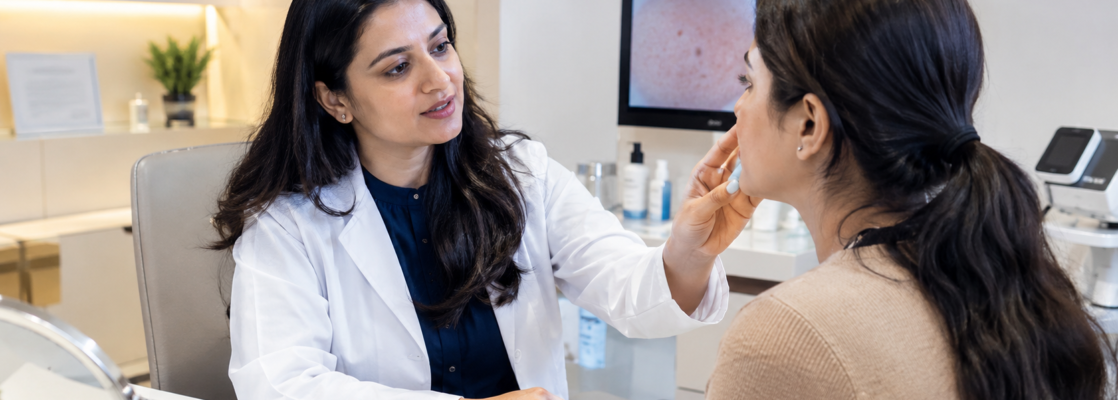
A skin doctor, known medically as a Dermatologist, is a specialist physician trained to evaluate, diagnose, and treat disorders of the cutaneous system—including the skin, hair, nails, and subcutaneous tissue.
                   ┌─────────────────────────────────────────┐
                   │     SCOPE OF DERMATOLOGICAL PRACTICE    │
                   └────────────────────┬────────────────────┘
                                        │
           ┌────────────────────────────┴────────────────────────────┐
           ▼                                                         ▼
┌────────────────────┐                                    ┌────────────────────┐
│   MEDICAL CLINICAL │                                    │     AESTHETIC &    │
│    DERMATOLOGY     │                                    │   DERMATOSURGERY   │
└──────────┬─────────┘                                    └──────────┬─────────┘
           │                                                         │
 ┌─────────┼──────────┬──────────┐                          ┌────────┴────────┐
 ▼         ▼          ▼          ▼                          ▼                 ▼
Acne &    Eczema /   Psoriasis  Scalp &                  Laser Skin        Aesthetic
Infections Dermatitis Vitiligo Hair Loss                Resurfacing      Enhancement
Core Responsibilities of a Board-Certified Dermatologist
- Pathological Diagnosis: Identifying over 3,000 distinct dermatological diseases, ranging from common acne vulgaris and fungal dermatophytosis to autoimmune blistering conditions like pemphigus vulgaris.
- Histopathological & Diagnostic Analysis: Performing cutaneous biopsies, dermoscopic analysis, and interpreting microscopic tissue samples to identify malignancies or deep inflammatory changes.
- Pharmacological Management: Prescribing systemic medications (e.g., oral retinoids, immunomodulators, biologicals, targeted antibiotics) with precise dosage management and metabolic safety monitoring.
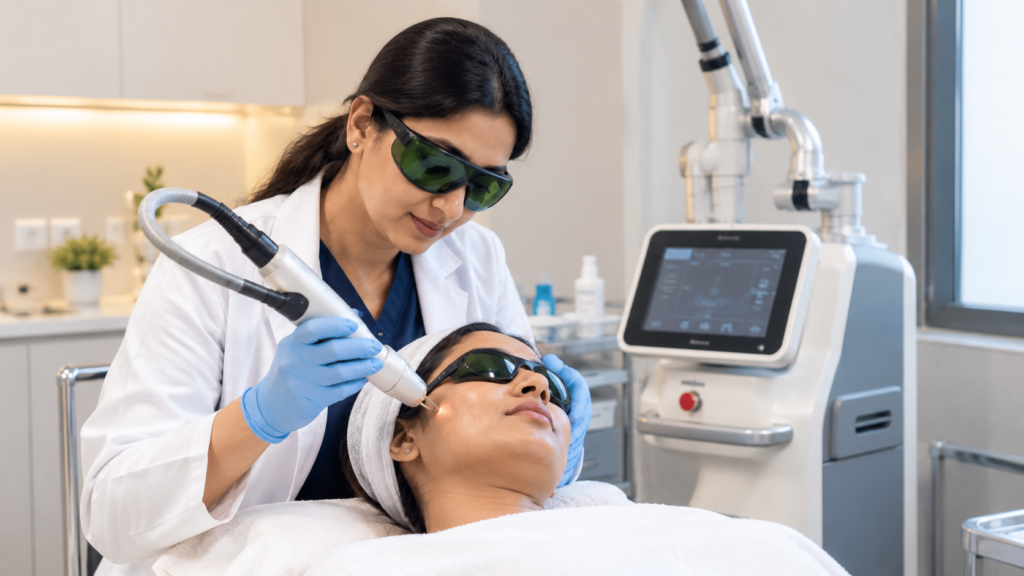
- Procedural & Laser Interventions: Executing precise surgical and energy-based procedures, such as fractional laser resurfacing, radiofrequency cautery, subcision, and hair restoration therapies.
2. Key Differences: Medical Dermatologist vs. Salon Cosmetologist
A common source of confusion for patients searching for skin specialists in Hyderabad is distinguishing between a board-certified doctor and a salon beautician or cosmetologist.
| Feature / Criteria | Medical Dermatologist (Skin Doctor) | Salon Cosmetologist / Beautician |
| Education Qualification | MBBS + MD/DNB in Dermatology (8+ years of medical education) | Short-term vocational diploma or certification in cosmetology |
| Diagnostic Capability | Certified to diagnose complex skin, hair, nail, and systemic diseases | Restricted to superficial aesthetic assessments |
| Prescription Rights | Licensed to prescribe medical-grade topical and systemic pharmaceuticals | Restricted to non-prescription over-the-counter beauty products |
| Procedural Level | Operates medical-grade US-FDA lasers, surgical tools, and injectable therapies | Performs non-medical surface facials, waxing, and beauty clean-ups |
| Safety Protocols | Strict adherence to sterile medical protocols and patient safety standards | Focuses primarily on aesthetic grooming rather than medical safety |
3. Major Sub-Specialties in Modern Dermatological Care
When choosing a skin specialist in Hyderabad, finding a physician who understands your specific condition ensures targeted care.
                      ┌────────────────────────────────────────┐
                      │    DERMATOLOGY CLINICAL DISCIPLINES    │
                      └───────────────────┬────────────────────┘
                                          │
       ┌──────────────────┬───────────────┴───────────────┬──────────────────┐
       ▼                  ▼                               ▼                  ▼
┌──────────────┐   ┌──────────────┐                ┌──────────────┐   ┌──────────────┐
│ Medical      │   │ Procedural & │                │ Trichology & │   │ Pediatric    │
│ Cutaneous    │   │ Laser Care   │                │ Hair Science │   │ Dermatology  │
└──────────────┘   └──────────────┘                └──────────────┘   └──────────────┘
1. Clinical Medical Dermatology
Focuses on managing pathological skin conditions. Common conditions managed under this division include:
- Acne Vulgaris & Rosacea: Managing follicular occlusion, sebum overproduction, and inflammation.
- Eczema & Atopic Dermatitis: Rebuilding compromised skin barriers and controlling chronic itch-scratch cycles.
- Psoriasis & Autoimmune Conditions: Managing hyper-proliferation of skin cells driven by immune dysfunction.
- Vitiligo & Pigmentary Disorders: Treating melanocyte destruction using targeted topical immunomodulators and light therapy.
2. Aesthetic & Procedural Dermatology
Integrates clinical dermatological science with aesthetic technology to address textural roughness, scarring, and structural skin changes.
- Laser Resurfacing: Using Fractional CO2 or Erbium:YAG lasers to stimulate neocollagenesis.
- Microneedling Radiofrequency (MNRF): Delivering thermal energy into the dermis to remodel structural scars.
- Medical Chemical Peels: Applying clinical-grade alpha and beta-hydroxy acids to manage pigmentation and cellular turnover.
3. Trichology & Scalp Disorders
Dedicated specifically to hair biology and scalp pathology.
- Androgenetic Alopecia: Managing pattern hair loss in men and women through clinical medical regimes and growth factor therapies.
- Telogen Effluvium: Evaluating systemic triggers (e.g., nutritional deficiencies, thyroid dysfunction, post-viral stress) causing diffuse hair shedding.
- Alopecia Areata: Autoimmune hair loss requiring localized immunotherapy or intralesional treatments.
4. Advanced Diagnostic Techniques Used by Skin Doctors
Diagnosing skin diseases visually requires advanced clinical experience combined with high-precision diagnostic tools.
                      ┌────────────────────────────────────────┐
                      │    CLINICAL DIAGNOSTIC METHODOLOGY     │
                      └───────────────────┬────────────────────┘
                                          │
 1. Visual Assessment  ──► 2. Dermoscopic Examination ──► 3. Specialized Testing ──► 4. Clinical Diagnosis
    (Symptom Analysis)     (Sub-surface Magnification)   (Biopsy/Wood's Lamp)    & Care Strategy
- Digital Dermoscopy: Uses polarized illumination to magnify skin layers, helping doctors differentiate between benign moles, pigmented lesions, and suspicious growths without invasive surgery.
- Trichoscopy: Evaluates scalp hair density, follicular unit distribution, and scalp inflammation to accurately classify hair loss types.
- Wood’s Lamp Examination: Transilluminates the skin with long-wave ultraviolet light to highlight fungal infections, bacterial erythrasma, and deep pigmentary depth (dermal vs. epidermal melasma).
- Cutaneous Punch Biopsy: Obtains a small, precise tissue sample under local anesthesia for histopathological testing in complex inflammatory or neoplastic conditions.
5. Overview of Clinical Treatments & Modalities in Hyderabad Clinics
| Condition Category | Primary Medical Modality | Secondary / Synergistic Modality | Expected Recovery |
| Active Inflammatory Acne | Oral Retinoids / Targeted Antibiotics | Salicylic Acid Peels & LED Phototherapy | Minimal / No Downtime |
| Atrophic Acne Scars | Subcision + MNRF Therapy | Fractional CO2 Laser Resurfacing | 2 to 5 Days |
| Melasma & Hyperpigmentation | Prescription Tyrosinase Inhibitors | Q-Switched Nd:YAG Laser / Depigmenting Peels | Minimal to 3 Days |
| Androgenetic Alopecia | Topical Minoxidil / Oral Anti-Androgens | Platelet-Rich Plasma (PRP) / Growth Factors | 24 Hours |
| Psoriasis & Chronic Eczema | Topical Corticosteroids / Calcineurin Inhibitors | Systemic Immunomodulators / Phototherapy | Ongoing Management |
| Benign Skin Lesions (Warts/Tags) | Radiofrequency Cautery | Intralesional Cryotherapy | 3 to 7 Days |
6. Estimated Cost of Skin Care Services in Hyderabad
Treatment pricing varies across Hyderabad based on clinic location, doctor experience, diagnostic technology, and procedure complexity. Below is a representative cost breakdown across clinical centers in the city:
| Service / Clinical Procedure | Average Cost Range per Session (INR) | Typical Recommended Frequency |
| Initial Dermatologist Consultation | ₹600 – ₹1,500 | As recommended by specialist |
| Follow-up Review Visit | ₹400 – ₹800 | Every 3 to 6 weeks |
| Medical Chemical Peel (Acne/Pigmentation) | ₹2,500 – ₹5,500 | 4 to 6 sessions |
| Microneedling Radiofrequency (MNRF) | ₹8,000 – ₹16,000 | 3 to 5 sessions |
| Fractional CO2 Laser Resurfacing | ₹7,000 – ₹15,000 | 3 to 4 sessions |
| Platelet-Rich Plasma (PRP) for Hair | ₹5,000 – ₹12,000 | 4 to 6 sessions |
| Radiofrequency Cautery (Tags/Warts Removal) | ₹2,000 – ₹6,000 | 1 to 2 sessions |
| Diagnostic Skin Biopsy & Histopathology | ₹3,000 – ₹7,000 | Single procedure |
7. How to Prepare for Your First Skin Doctor Appointment
Preparing for your appointment helps your dermatologist make an efficient and accurate clinical assessment:
                      ┌────────────────────────────────────────┐
                      │     PATIENT APPOINTMENT CHECKLIST      │
                      └───────────────────┬────────────────────┘
                                          │
    ┌─────────────────────────────────────┼─────────────────────────────────────┐
    ▼                                     ▼                                     ▼
┌──────────────────────┐      ┌──────────────────────┐      ┌──────────────────────┐
│ 1. BEFORE THE VISIT  │      │ 2. WHAT TO BRING     │      │ 3. DURING THE VISIT  │
└──────────┬───────────┘      └──────────┬───────────┘      └──────────┬───────────┘
           │                             │                             │
 ">• Wash face thoroughly       ">• Current skincare products   ">• Describe exact timeline
 ">• Avoid heavy makeup         ">• Past medical records        ">• Note itching/pain triggers
 ">• Remove nail polish         ">• Active prescriptions        ">• Ask clear questions
- Remove Heavy Cosmetic Product: Arrive with clean skin. Wearing foundations, concealers, or heavy creams obscures skin texture and subtle color variations necessary for diagnosis.
- Bring Current Prescriptions & Products: Collect all topical creams, face washes, serums, and oral medications you are currently using.
- Document Your Symptom Timeline: Note when symptoms first appeared, how they have changed over time, and any factors that worsen or relieve the condition.
- List Relevant Medical History: Be prepared to discuss dietary habits, stress levels, recent travels, family history of skin conditions, and known allergies.
8. Frequently Asked Questions (FAQs)
Q1: How do I find a qualified Skin Doctor in Hyderabad?
Look for a board-certified dermatologist holding an MD or DNB in Dermatology, Venereology, and Leprosy registered with the Telangana State Medical Council. Verify clinical experience, patient reviews, and clinic diagnostic infrastructure.
Q2: What is the average consultation fee for a skin doctor in Hyderabad?
Consultation fees for an experienced skin specialist in Hyderabad typically range from ₹600 to ₹1,500 depending on the location, doctor’s expertise, and clinic facility.
Q3: What is the difference between a medical skin doctor and a salon cosmetologist?
A medical skin doctor (dermatologist) is a certified physician trained to diagnose and treat underlying skin, hair, and nail diseases. A cosmetologist focuses primarily on non-medical, superficial beauty treatments without clinical prescription rights.
Q4: Which skin conditions require an immediate consultation with a skin doctor?
Rapidly spreading rashes, severe inflammatory acne, blistering skin eruptions, changing moles or suspicious pigmented growths, intense scalp hair shedding, and non-healing skin ulcers require immediate evaluation.
Q5: Can a skin doctor in Hyderabad treat chronic conditions like Psoriasis and Eczema?
Yes, medical dermatologists specialize in chronic inflammatory dermatoses. They formulate long-term management protocols using topical anti-inflammatories, systemic immunomodulators, biologicals, and phototherapy.
Q6: Do skin doctors treat hair and scalp conditions?
Yes. Dermatologists are trained trichologists who manage scalp health, androgenetic alopecia, telogen effluvium, scalp psoriasis, and seborrheic dermatitis.
Q7: Are laser skin procedures performed by dermatologists safe for Indian skin tones?
Yes, when performed by qualified dermatologists using US-FDA approved technologies tailored for Fitzpatrick Skin Types IV to VI (e.g., Long-Pulsed Nd:YAG or MNRF), ensuring high safety with minimal risk of hyperpigmentation.
Q8: How should I prepare for my first appointment with a skin specialist in Hyderabad?
Bring a list of all current skincare products, active medications, and medical history. Avoid wearing heavy cosmetic makeup or nail polish so the doctor can accurately assess your natural skin and nail bed.
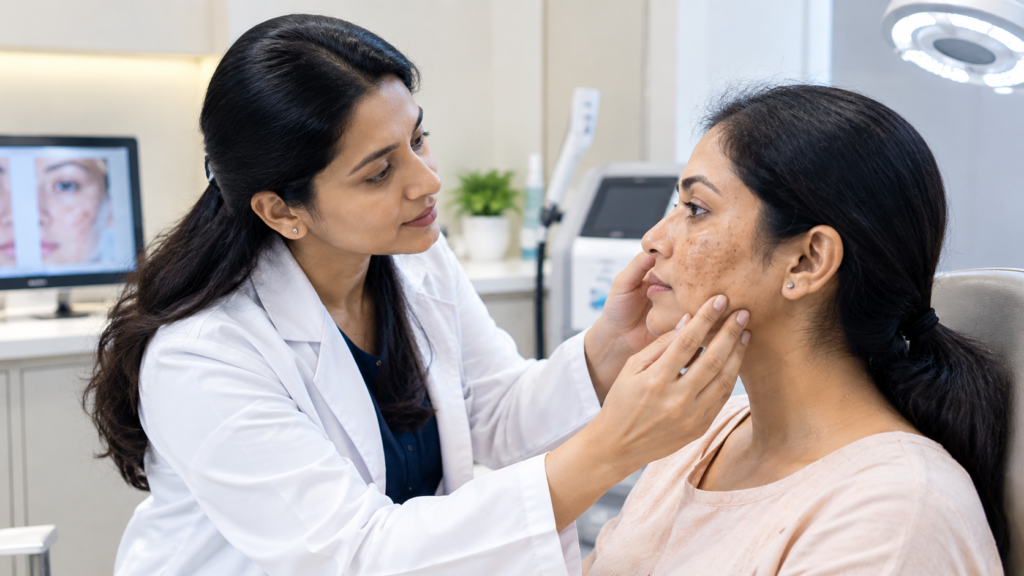
Q9: Can a skin doctor help remove dark spots and melasma?
Yes. Dermatologists provide medical-grade depigmenting solutions, including prescription topical formulations, targeted chemical peels, and specialized Q-switched lasers.
Q10: What diagnostic tools does a skin doctor use during consultation?
Dermatologists utilize digital dermoscopy, trichoscopy, Wood’s lamp transillumination, skin patch testing for allergies, and diagnostic punch biopsies when necessary.
Q11: Are skin doctor consultations in Hyderabad covered by health insurance?
Medical dermatology conditions like severe allergic reactions, skin infections, inpatient care, or surgical procedures may be eligible for insurance coverage. Elective cosmetic procedures are generally self-funded.
Q12: How often should I visit a skin specialist for routine skin health checks?
An annual skin assessment is recommended for general skin health monitoring and mole evaluation. Patients with active or chronic skin diseases should follow their specialist’s custom timeline.
Q13: Can a skin doctor perform minor surgical procedures in the clinic?
Yes. Dermatologists perform outpatient minor dermatosurgical procedures such as skin tag removal, cyst excision, mole removal, radiofrequency cautery, and cryotherapy.
Q14: What is the difference between active acne management and acne scar treatment?
Active acne management focuses on reducing sebum production, bacterial load, and follicular inflammation. Scar treatment rebuilds damaged dermal collagen after active breakouts are resolved.
Q15: Why are home remedies often ineffective for severe skin problems?
Home remedies lack the precise pharmacological active concentrations and deep dermal delivery required to treat structural or inflammatory skin diseases, often causing skin barrier breakdown or contact dermatitis.