
Table of Contents
Child Hitting Parents: Why It Happens and How to Respond Calmly and Effectively
Few parenting moments feel as upsetting as being hit by your own child. Whether it’s a toddler slapping during a tantrum or an older preschooler kicking out of frustration, many parents immediately wonder if they are doing something wrong.
The reality is that child hitting parents is a common behaviour during early childhood. In most cases, it is not a sign that a child is mean, spoiled, or destined to become aggressive. Instead, it often reflects a developing brain that is still learning how to manage emotions, communicate needs, and cope with disappointment.
Children are not born knowing how to express frustration appropriately. They gradually develop self-control through guidance, consistency, and repeated experiences with caring adults.
The goal for parents is not simply to stop the hitting in the moment, but to help children build emotional regulation skills that will benefit them throughout life.
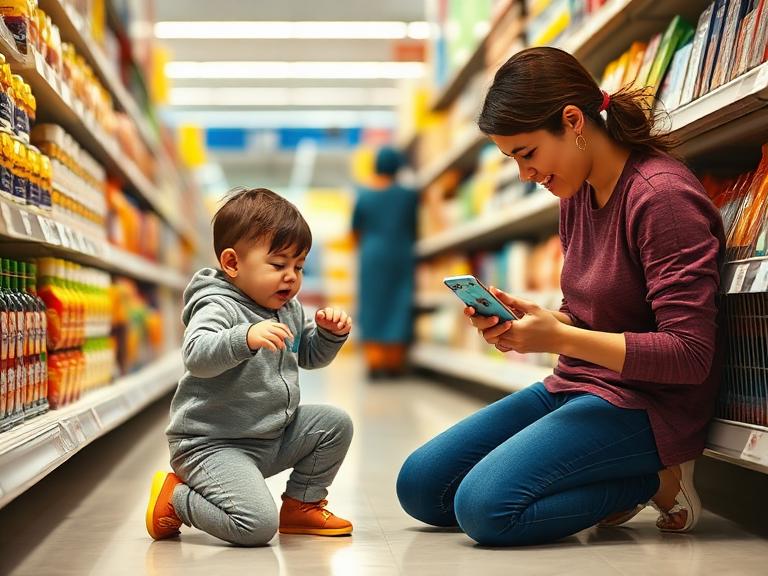
Why Do Children Hit Their Parents?
Understanding the reason behind the behaviour helps parents respond more effectively.
Big Emotions and Small Self-Control
Young children experience emotions intensely. Anger, disappointment, excitement, and frustration can feel overwhelming.
The parts of the brain responsible for self-regulation are still developing, which means children often act before they think.
Hitting may simply be an impulsive reaction to a difficult emotion.
Limited Language Skills
Toddlers often understand much more than they can express.
When they cannot communicate feelings like:
- “I’m tired.”
- “I’m frustrated.”
- “I wanted to do it myself.”
they may use physical actions instead.
Frustration With Boundaries
Children naturally test limits.
Being told “no,” ending screen time, leaving the playground, or sharing a favourite toy can trigger frustration.
If a child lacks coping skills, that frustration may appear as hitting.
Seeking Attention
Children crave connection.
Sometimes negative attention still feels better than no attention at all.
If hitting consistently leads to a strong reaction, the behaviour can accidentally become reinforced.
Copying What They See
Children learn by observation.
Aggressive behaviour in siblings, peers, television programs, or stressful environments may influence how children respond to conflict.
This does not mean media or others directly cause hitting, but children often imitate behaviours they observe.
Is Child Hitting Parents Normal?
For toddlers and preschoolers, occasional hitting is relatively common.
Many children between one and four years old experiment with physical reactions because they have not yet mastered emotional regulation.
Parents should be more concerned if aggressive behaviour:
- Happens very frequently.
- Continues to increase over time.
- Causes injuries.
- Is directed at multiple people regularly.
- Is accompanied by severe emotional distress.
Most children improve significantly when parents respond with consistency and patience.
Common Triggers for Hitting
Many aggressive incidents occur during predictable situations.
Fatigue
A tired child has less ability to manage emotions.
Hunger
Low energy levels often make frustration harder to control.
Overstimulation
Busy environments, loud noises, or crowded places can overwhelm young children.
Transitions
Leaving enjoyable activities often creates resistance.
Difficulty Sharing
Toddlers are still learning social skills and ownership concepts.
Recognising these triggers helps parents prevent many incidents before they occur.
What Parents Should Do When a Child Hits
Stay Calm
Children often mirror adult emotions.
Yelling or reacting aggressively may increase the child’s distress.
Take a breath and speak in a calm, firm voice.
For example:
“I won’t let you hit me.”
This communicates a clear boundary without escalating the situation.
Stop the Behaviour Immediately
If necessary, gently block the hit or move slightly away.
The message should be simple:
“Hitting hurts.”
Long lectures are usually ineffective during emotional moments.
Acknowledge Feelings
Children benefit from hearing that their emotions are understood.
Examples include:
- “You’re really angry.”
- “You didn’t want to leave the park.”
- “You’re frustrated because your toy broke.”
Acknowledging emotions does not mean accepting aggressive behaviour.
Keep Boundaries Consistent
Every instance of hitting should receive the same calm response.
Children learn through repetition.
If parents sometimes ignore hitting and other times react strongly, the behaviour can become confusing.
Wait Before Teaching
When a child is overwhelmed, the brain is focused on emotion rather than learning.
Wait until everyone is calm before discussing better ways to handle frustration.
What Makes Child Hitting Worse?
Certain reactions can unintentionally reinforce aggression.
Yelling
Shouting may frighten children without teaching emotional control.
Hitting Back
Some adults believe children need to experience what hitting feels like.
In reality, this teaches that bigger people solve problems through force.
Long Lectures
Young children cannot process lengthy explanations during emotional moments.
Giving In
If hitting helps a child avoid bedtime or gain a desired object, the behaviour may continue.
Labeling the Child
Avoid statements like:
- “You’re bad.”
- “You’re aggressive.”
- “You’re naughty.”
Focus on the behaviour rather than the child’s identity.
Say:
“Hitting is not okay.”
instead of
“You are bad.”
Teaching Better Alternatives
Children need replacement skills.
Use Words
Teach simple phrases such as:
- “Help me.”
- “I’m angry.”
- “I don’t like that.”
- “Can I have a turn?”
Practice these during calm moments.
Teach Calming Strategies
Simple techniques include:
- Deep breathing
- Counting to five
- Hugging a favourite toy
- Taking a quiet break
- Asking for help
These skills take time and repeated practice.
Model Healthy Behaviour
Children learn by watching adults.
When parents handle frustration calmly, children gradually copy those responses.
Building Emotional Regulation
Emotional regulation develops slowly.
Parents can support this process by helping children identify feelings.
Use everyday moments to label emotions:
- Happy
- Sad
- Angry
- Frustrated
- Nervous
- Excited
Books, pretend play, and conversations provide natural opportunities to discuss emotions.
Some families also use parenting support platforms like TinyPal to explore practical strategies for common behaviour challenges and emotional development.
Preventing Aggressive Behaviour
Maintain Predictable Routines
Children feel safer when daily life is consistent.
Try to keep regular times for:
- Meals
- Sleep
- Play
- Bath
- Bedtime
Ensure Enough Sleep
Sleep deprivation often increases emotional reactivity.
Toddlers typically need between 11 and 14 hours of total sleep each day.
Encourage Physical Activity
Running, climbing, jumping, and outdoor play help children release energy in healthy ways.
Give Positive Attention
Spend individual time with your child every day.
Even ten focused minutes can strengthen connection and reduce attention-seeking behaviours.
Positive Discipline Strategies
Positive discipline focuses on teaching rather than punishment.
Helpful approaches include:
Redirection
Guide children toward a different activity before frustration escalates.
Natural Consequences
Allow safe consequences to occur naturally when appropriate.
Choices
Offer limited choices.
For example:
“Would you like to wear the blue shoes or the red shoes?”
Choices reduce power struggles.
Praise Positive Behaviour
Notice moments when children manage emotions well.
“I saw you use your words instead of hitting.”
Specific praise reinforces good decisions.
Helping Older Children Who Hit
Although hitting is more common in toddlers, older children may also become physically aggressive.
Parents should:
- Stay calm.
- Maintain clear boundaries.
- Explore underlying stressors.
- Encourage open communication.
- Seek professional guidance if aggression becomes persistent.
Older children often benefit from learning conflict resolution and emotional awareness skills.
When Should Parents Seek Additional Support?
Most hitting behaviours improve over time.
However, consider seeking extra support if:
- Aggression becomes severe.
- Injuries occur regularly.
- Behaviour worsens despite consistency.
- The child appears extremely anxious or distressed.
- Hitting significantly affects family life or school.
Seeking guidance is a proactive step that helps children and families build healthier patterns.
Frequently Asked Questions
Why does my child hit me when angry?
Young children often lack the emotional skills to express frustration appropriately and may react physically.
Is it normal for toddlers to hit their parents?
Yes. Occasional hitting is common during toddlerhood as children develop emotional regulation.
Should I punish my child for hitting?
Teaching calm alternatives and maintaining clear boundaries is generally more effective than harsh punishment.
What should I say when my child hits me?
Use a calm, simple statement such as, “I won’t let you hit. Hitting hurts.”
Does ignoring hitting work?
No. Parents should respond consistently while avoiding overly emotional reactions.
Can screen time cause aggressive behaviour?
Excessive or inappropriate media exposure may influence behaviour in some children, but aggression usually has multiple contributing factors.
How do I teach my child not to hit?
Model calm behaviour, teach emotional language, and practice alternative coping skills.
Why does my toddler hit only one parent?
Children sometimes express emotions differently with caregivers they feel safest with.
At what age do children usually stop hitting?
Many children show significant improvement as language and emotional regulation skills develop during the preschool years.
When should I worry about aggressive behaviour?
Seek professional guidance if aggression becomes frequent, severe, or causes harm.
Conclusion
Being hit by your child can be upsetting, but in many cases it reflects a child who is struggling with emotions rather than one who intends to cause harm.
By responding calmly, setting consistent boundaries, teaching emotional skills, and focusing on connection instead of punishment, parents help children learn healthier ways to express themselves.
Over time, these everyday interactions build the foundation for empathy, self-control, and positive relationships that extend far beyond childhood.




Leave a Comment