

Table of Contents
Home Elevator Installation Hyderabad | Residential Lift Experts
Modern homes are no longer designed only for today’s lifestyle—they are built to support comfort, convenience, and accessibility for decades to come. As multi-storey villas, duplex houses, and luxury residences become increasingly popular, homeowners are looking for smarter ways to move between floors without compromising on comfort. This is one of the biggest reasons why Home Elevator Installation Hyderabad has become a preferred investment for families across the city.
A residential elevator is much more than a luxury feature. It improves mobility for senior citizens, offers independence for people with limited mobility, makes everyday living easier for families, and significantly enhances the value of a property. Whether you’re constructing a new villa or renovating an existing home, installing a home elevator is a practical solution that combines technology, safety, and modern design.
Unlike commercial elevators that are built to handle heavy traffic, home elevators are designed with residential spaces in mind. They occupy less space, consume less power, operate quietly, and can be customized to complement your home’s architecture. With advances in elevator technology, homeowners today have access to compact, energy-efficient systems that require minimal structural modifications while delivering exceptional performance.
This guide explores everything you need to know about residential elevator installation in Hyderabad—from choosing the right lift and preparing your home to understanding safety features, design options, and installation planning.
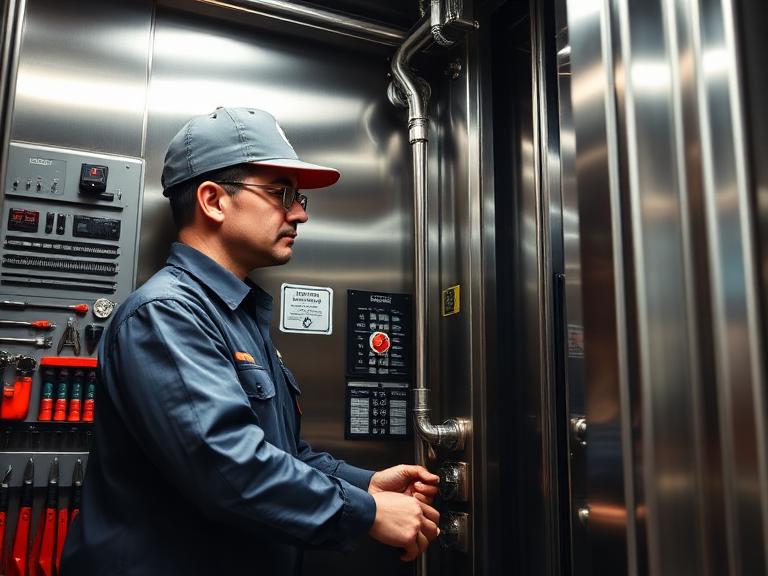
Why Are More Homeowners in Hyderabad Installing Residential Elevators?
Hyderabad has experienced rapid residential growth over the last decade. Luxury villas, gated communities, independent houses, and duplex homes have become increasingly common in areas such as Gachibowli, Kokapet, Narsingi, Tellapur, Kompally, Bachupally, and Mokila.
As homes become larger and more sophisticated, homeowners are planning for long-term convenience rather than immediate needs.
A home elevator offers several practical advantages:
- Easier movement between floors
- Greater independence for elderly family members
- Improved accessibility for wheelchair users
- Enhanced convenience while carrying groceries, luggage, or household items
- Increased property value
- Modern architectural appeal
- Future-ready home design
Instead of seeing a lift as an expensive addition, many families now consider it an investment that improves everyday living while making the property more attractive to future buyers.
Who Should Consider Installing a Home Elevator?
A residential elevator is suitable for a wide range of homeowners.
Families with Senior Citizens
As parents grow older, climbing stairs can become physically demanding and potentially unsafe. Knee pain, arthritis, reduced balance, and other age-related conditions can make everyday movement difficult.
A home elevator allows elderly family members to move independently without relying on assistance, improving both comfort and confidence.
Multi-Generational Homes
Many Indian families live together across generations. Grandparents, parents, and children often share the same home.
Installing an elevator ensures that every family member can comfortably access every floor, regardless of age or mobility.
People with Mobility Challenges
For individuals using wheelchairs, walkers, or crutches, stairs can present a significant barrier.
A residential elevator creates a more inclusive living environment, allowing everyone to enjoy the home without restrictions.
Luxury Homeowners
Today’s premium villas are designed with lifestyle in mind. A beautifully designed elevator complements high-end interiors while adding a touch of sophistication.
Custom cabin finishes, glass panels, premium lighting, and elegant control systems allow homeowners to integrate the elevator seamlessly into their home’s overall design.
Homeowners Planning for the Future
Many homeowners install elevators before they actually need them.
Future-proofing a home means preparing it for changing lifestyle requirements without undertaking expensive structural modifications later.
Planning during construction is often simpler and more cost-effective than retrofitting an elevator years later.
Things to Consider Before Installing a Home Elevator
Installing a residential lift requires thoughtful planning. Understanding a few essential factors beforehand helps ensure a smoother installation process and better long-term performance.
Available Space
One of the first considerations is the amount of space available within the house.
Modern home elevators are available in compact designs that can fit into:
- Stairwell openings
- Internal shafts
- External shafts
- Corner spaces
- Open atriums
An experienced installation team will evaluate the layout and recommend the most suitable location with minimal disruption to your home.
Number of Floors
The number of levels your elevator needs to serve affects the type of system, travel distance, and installation requirements.
A lift designed for a two-storey villa may differ significantly from one intended for a four-storey residence.
Passenger Capacity
Think about how the elevator will be used.
Will it primarily carry one or two people, or should it comfortably accommodate a wheelchair, caregiver, or multiple family members?
Selecting the appropriate cabin size ensures the elevator remains practical for years to come.
Interior Design
A residential elevator should enhance the appearance of your home rather than look like a commercial installation.
Modern homeowners can choose from a wide range of finishes, including:
- Stainless steel
- Glass cabins
- Wooden wall panels
- Decorative flooring
- Mirror finishes
- Designer ceilings
- Ambient LED lighting
The right design creates a seamless connection between the elevator and your home’s interior.
Choosing the Right Type of Home Elevator
Every house is different, and no single elevator suits every property. Understanding the available options helps homeowners make informed decisions.
Hydraulic Home Elevators
Hydraulic elevators use a hydraulic piston to move the cabin.
These systems are popular because they offer:
- Smooth movement
- Quiet operation
- Reliable performance
- Comfortable ride quality
They are commonly chosen for villas and low-rise residential buildings.
Traction Home Elevators
Traction elevators use ropes, pulleys, and a counterweight system.
Advantages include:
- Energy efficiency
- Faster travel
- Suitable for multiple floors
- Lower long-term operating costs
They are ideal for larger homes requiring frequent daily use.
Machine Room Less (MRL) Elevators
MRL elevators eliminate the need for a separate machine room, making them an excellent choice for homes where space is limited.
Benefits include:
- Compact design
- Reduced construction requirements
- Efficient use of available space
- Modern technology
- Easier integration into contemporary homes
Glass Home Elevators
Glass elevators combine functionality with architectural elegance.
They create a sense of openness while becoming a visual feature within luxury homes.
Glass elevators are especially popular in:
- Duplex villas
- Designer residences
- Contemporary homes
- High-end interiors
Platform Lifts
Platform lifts are designed primarily for accessibility rather than frequent passenger transportation.
They are commonly installed to assist:
- Wheelchair users
- Elderly residents
- Individuals with mobility limitations
Platform lifts require less space and can often be installed with minimal structural modifications.
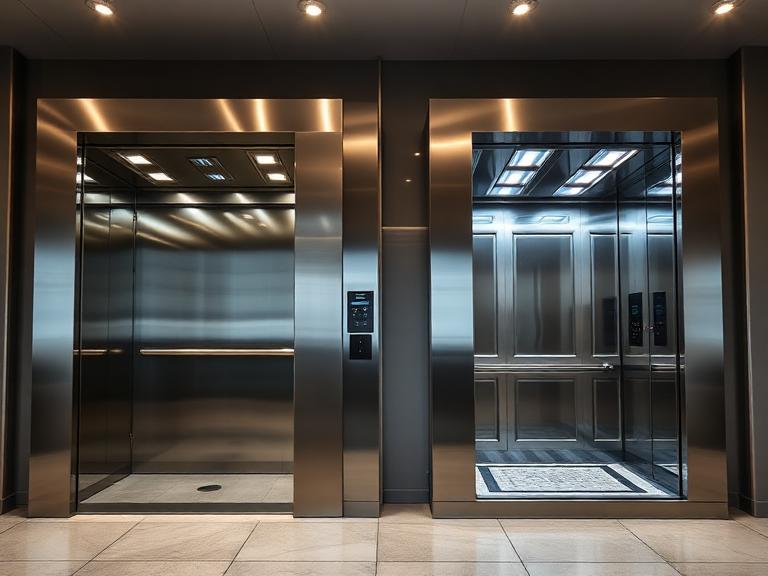
Planning Your Home Elevator Installation Project
Successful installations begin long before the elevator arrives on site.
Professional planning typically includes:
Initial Consultation
An engineer visits your property to understand:
- House layout
- Structural design
- Available installation space
- Family requirements
- Accessibility needs
- Future expansion plans
Technical Assessment
During the assessment, specialists evaluate:
- Floor-to-floor height
- Structural support
- Electrical requirements
- Ventilation
- Entry and exit points
- Shaft feasibility
This information helps determine the most appropriate elevator solution for your home.
Design Integration
Rather than treating the elevator as a separate addition, modern installation focuses on integrating it into the home’s architectural style.
The elevator can be customized to complement:
- Flooring materials
- Wall finishes
- Staircase design
- Lighting concepts
- Interior décor
- Overall home aesthetics
A thoughtfully integrated elevator enhances both functionality and visual appeal.
Understanding the Home Elevator Installation Process
Many homeowners assume that installing a residential elevator is a lengthy and disruptive project. However, with proper planning and experienced professionals, the process is streamlined and completed in clearly defined stages.
Step 1: Site Survey and Consultation
Every successful installation begins with a comprehensive site inspection. During this stage, elevator specialists assess the home’s structural layout and discuss the homeowner’s expectations.
The survey typically includes:
- Measuring available installation space
- Evaluating floor-to-floor height
- Checking structural support
- Reviewing electrical infrastructure
- Identifying the best elevator location
- Understanding accessibility requirements
This information forms the foundation of the installation plan.
Step 2: Elevator Selection
Based on the site survey, the most suitable elevator system is recommended.
Factors considered include:
- Number of floors
- Passenger capacity
- Space availability
- Interior design preferences
- Budget
- Energy efficiency
- Future maintenance requirements
Choosing the correct elevator at this stage helps avoid costly modifications later.
Step 3: Design and Engineering
Before installation begins, engineers prepare detailed technical drawings and specifications.
This stage includes:
- Shaft layout
- Structural integration
- Electrical planning
- Door positioning
- Cabin dimensions
- Safety system design
Proper engineering ensures a safe, efficient, and aesthetically pleasing installation.
Step 4: Installation
Once preparations are complete, trained technicians install:
- Guide rails
- Elevator cabin
- Drive system
- Landing doors
- Control panel
- Electrical wiring
- Safety devices
- Communication systems
Every component is installed with precision to ensure smooth and reliable operation.
Step 5: Testing and Commissioning
Before the elevator is handed over, extensive testing is carried out to verify:
- Smooth travel
- Door operation
- Emergency systems
- Floor leveling accuracy
- Alarm functionality
- Backup power systems
- Safety sensors
- Ride comfort
Only after successful testing is the elevator approved for regular use.
Essential Safety Features Every Home Elevator Should Have
Safety should never be compromised when selecting a residential elevator. Modern home elevators are equipped with advanced technologies that provide protection during daily operation.
Automatic Rescue Device (ARD)
In the event of a power outage, the Automatic Rescue Device safely moves the elevator to the nearest floor and opens the doors, allowing passengers to exit safely.
Emergency Alarm System
An emergency alarm enables passengers to alert family members or maintenance personnel if assistance is required.
Battery Backup
A backup power system ensures that the elevator can complete its journey safely during electrical interruptions.
Door Safety Sensors
Infrared sensors detect obstacles in the doorway and prevent the doors from closing if someone or something is in the way.
Overload Protection
If the cabin exceeds its safe carrying capacity, the elevator will not operate until the excess weight is removed.
Emergency Stop Button
An emergency stop button provides an additional layer of safety in unexpected situations.
Automatic Door Locking
Landing doors remain securely locked whenever the elevator is moving, preventing accidental opening.
Designing a Home Elevator That Matches Your Lifestyle
Today’s residential elevators are designed to complement modern interiors rather than appear as industrial equipment.
Cabin Materials
Popular options include:
- Stainless steel
- Laminated wood finishes
- Tempered glass
- Stone-inspired panels
- Decorative metal finishes
Flooring Choices
Homeowners often select flooring that blends seamlessly with the rest of the house, such as:
- Granite
- Marble
- Vinyl
- Wooden finishes
- Anti-slip tiles
Lighting
Well-designed lighting improves both aesthetics and visibility.
Options include:
- LED ceiling lights
- Indirect ambient lighting
- Spot lighting
- Decorative ceiling panels
Control Panels
Modern control panels feature:
- Touch-sensitive buttons
- Braille markings
- Voice announcements
- Digital floor indicators
- Soft-touch finishes
Smart Home Integration
Many homeowners in Hyderabad are adopting smart home technologies, and modern residential elevators can integrate seamlessly with these systems.
Smart features may include:
- Mobile app monitoring
- Voice assistant compatibility
- Remote diagnostics
- Maintenance alerts
- Energy usage monitoring
- Access control integration
These technologies enhance convenience while simplifying long-term maintenance.
Energy Efficiency in Modern Home Elevators
Energy-efficient elevators reduce electricity consumption without compromising performance.
Features that contribute to efficiency include:
- LED cabin lighting
- Standby power-saving mode
- Regenerative drive technology
- Efficient traction motors
- Lightweight cabin materials
- Intelligent control systems
Choosing an energy-efficient model can help reduce operating costs over the lifetime of the elevator.
Common Mistakes to Avoid When Installing a Home Elevator
Planning mistakes can increase costs and affect long-term performance. Avoid these common issues:
Waiting Until Construction Is Complete
Installing an elevator during the construction phase is generally more cost-effective than retrofitting it into a finished home.
Choosing Based Only on Price
The lowest-priced option may not offer the best long-term value. Consider quality, safety, warranty, service support, and maintenance requirements.
Ignoring Future Accessibility Needs
Even if mobility is not currently a concern, planning for future accessibility can make your home more comfortable and adaptable.
Overlooking Maintenance
Routine maintenance is essential for keeping the elevator safe, reliable, and efficient.
Hiring Inexperienced Installers
Professional installation ensures proper alignment, safety compliance, and dependable performance.
Caring for Your Home Elevator
Regular maintenance protects your investment and helps prevent unexpected breakdowns.
Recommended maintenance practices include:
- Scheduled inspections
- Cleaning guide rails
- Testing safety systems
- Checking door operation
- Lubricating moving components
- Inspecting electrical connections
- Verifying emergency systems
- Replacing worn parts when required
A preventive maintenance plan helps extend the lifespan of your elevator while maintaining optimal performance.
Why Homeowners in Hyderabad Choose Professional Elevator Installation
Choosing an experienced installation company offers significant long-term benefits.
Professional installers provide:
- Personalized consultation
- Customized design recommendations
- Quality workmanship
- Certified technicians
- Premium components
- Reliable after-sales support
- Preventive maintenance services
- Timely technical assistance
- Safety-focused installations
- Long-term performance assurance
Whether building a new villa or upgrading an existing residence, expert installation ensures your elevator operates safely and efficiently for years to come.
Frequently Asked Questions
Is a home elevator suitable for existing houses?
Yes. Many residential elevators are specifically designed for retrofit installations and require only minimal structural modifications.
How much space is required for a home elevator?
Space requirements vary depending on the elevator type, cabin size, and number of floors. Compact models are available for homes with limited space.
Are home elevators safe for children and elderly family members?
Yes. Modern residential elevators include multiple safety features such as door sensors, emergency alarms, automatic rescue devices, and overload protection.
How often should a home elevator be serviced?
Routine servicing is recommended at regular intervals as advised by the manufacturer to ensure safe and reliable operation.
Can a home elevator increase property value?
Yes. A professionally installed residential elevator can improve accessibility, enhance convenience, and increase the appeal of premium homes.
Which type of home elevator is best?
The ideal choice depends on your home’s layout, available space, travel height, budget, design preferences, and accessibility requirements.
Conclusion
As modern homes evolve to prioritize comfort, accessibility, and long-term convenience, residential elevators have become an increasingly practical addition rather than a luxury. Investing in Home Elevator Installation Hyderabad allows homeowners to create a safer, more accessible, and future-ready living environment while enhancing the overall value and appeal of their property.
From selecting the right elevator type and planning the installation to incorporating advanced safety features, energy-efficient technology, and stylish cabin designs, every decision contributes to the performance and longevity of your residential lift. By partnering with experienced professionals, homeowners can enjoy a seamless installation process, dependable after-sales support, and peace of mind knowing their elevator is built to deliver years of reliable service.
Whether you are constructing a new villa, renovating a duplex, or future-proofing your family home, a thoughtfully designed home elevator is an investment in convenience, independence, and modern living.