
Table of Contents
Lift Control Panel Repair in Hyderabad | Elevator Controller Repair Experts
The control panel is often referred to as the “brain” of an elevator. Every command—from moving the cabin between floors to opening and closing doors, monitoring safety circuits, responding to floor calls, and managing emergency operations—is coordinated through the elevator control panel. Without a properly functioning controller, even the most advanced lift cannot operate safely or efficiently.
As elevator systems become increasingly sophisticated, control panels now incorporate microprocessors, programmable logic controllers (PLCs), variable frequency drives (VFDs), communication modules, and intelligent diagnostic systems. These technologies improve ride quality and energy efficiency, but they also require specialized expertise when faults occur.
Professional Lift Control Panel Repair in Hyderabad involves more than replacing electrical components. It includes systematic fault diagnosis, software and hardware testing, PCB inspection, wiring verification, safety circuit analysis, controller programming, and comprehensive operational testing. Correct repairs help minimize downtime, extend equipment life, and ensure compliance with elevator safety standards.
Whether installed in residential apartments, commercial buildings, hospitals, shopping malls, hotels, educational institutions, or industrial facilities, every elevator depends on a reliable control panel for smooth and safe operation.
This comprehensive guide explains the purpose of elevator control panels, common controller faults, warning signs, repair procedures, preventive maintenance, and the importance of choosing experienced elevator technicians for control panel repairs in Hyderabad.
What Is a Lift Control Panel?
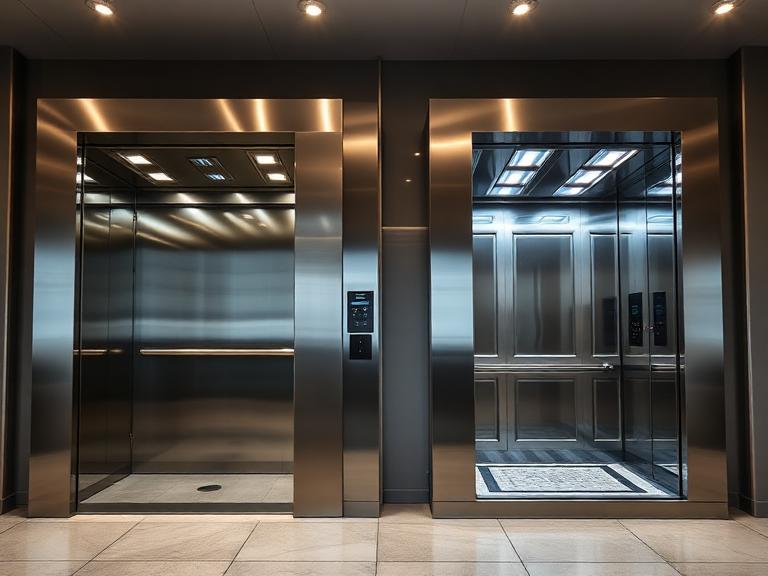
A lift control panel is an electrical control system that manages every function of an elevator.
It receives information from various sensors and safety devices before issuing commands to:
- Elevator motor
- Door operator
- Brake system
- Floor indicators
- Call buttons
- Safety circuits
- Emergency systems
- Variable frequency drive
- Automatic Rescue Device (ARD)
The controller continuously monitors elevator operation and prevents unsafe movement whenever abnormal conditions are detected.
Why the Control Panel Is Critical
Without the control panel, the elevator cannot safely perform even basic functions.
The controller is responsible for:
- Floor selection
- Lift movement
- Door timing
- Speed control
- Motor protection
- Passenger safety
- Fault monitoring
- Emergency operation
- Power management
- Communication between elevator components
Because every elevator function depends on the controller, even a minor fault can affect the entire system.
Main Components of a Lift Control Panel
Modern elevator controllers contain several interconnected components.
Main Controller Board (PCB)
The Printed Circuit Board (PCB) processes all elevator commands.
It controls:
- Travel direction
- Speed
- Floor positioning
- Safety inputs
- Output signals
Modern PCBs include diagnostic software that records fault history.
Programmable Logic Controller (PLC)
Many commercial elevators use PLC-based controllers.
Advantages include:
- Reliable automation
- Flexible programming
- Faster troubleshooting
- Improved operational control
Variable Frequency Drive (VFD)
The VFD regulates motor speed.
Benefits include:
- Smooth acceleration
- Gentle stopping
- Lower energy consumption
- Reduced motor wear
- Improved ride comfort
Power Supply Unit
The power supply distributes electrical power to controller components.
It includes:
- Transformers
- Power converters
- Protection circuits
- Voltage regulators
Stable power is essential for reliable controller operation.
Relay Modules
Relays control high-voltage equipment while protecting sensitive electronic components.
Typical relay-controlled systems include:
- Motor contactors
- Door operators
- Brake circuits
- Lighting
- Auxiliary systems
Communication Modules
Communication interfaces allow data exchange between:
- Cabin operating panel
- Landing call stations
- Door controller
- ARD
- Monitoring systems
- Remote diagnostics
Safety Circuit
The safety circuit constantly monitors:
- Door interlocks
- Emergency stop switches
- Overspeed governor
- Limit switches
- Brake status
- Safety sensors
If a fault is detected, the controller immediately stops elevator operation.
Common Lift Control Panel Problems
1. Controller Failure
Controller failure is one of the most serious elevator faults.
Possible causes include:
- Component ageing
- Electrical surges
- Moisture
- Dust accumulation
- PCB damage
Symptoms include:
- Elevator shutdown
- Failure to respond
- Random faults
- Display errors
2. Burnt PCB Components
Electronic components may become damaged due to:
- Voltage fluctuations
- Short circuits
- Overheating
- Water ingress
Burnt components often require professional repair or replacement.
3. Power Supply Failure
Power supply issues may prevent the controller from functioning correctly.
Common causes include:
- Blown fuses
- Faulty transformers
- Damaged voltage regulators
- Loose wiring
4. Relay Failure
Worn relays may cause:
- Delayed elevator movement
- Door operation problems
- Motor faults
- Intermittent failures
5. Software Errors
Modern controllers rely on embedded software.
Possible issues include:
- Corrupted programming
- Configuration errors
- Firmware faults
- Communication failures
Software-related issues often require specialized diagnostic tools.
6. Communication Failure
Modern elevators depend on communication between multiple control modules.
Failures may affect:
- Floor displays
- Cabin buttons
- Landing call stations
- Door controllers
- Remote monitoring
7. Overheating
Excessive heat may damage electronic components.
Common reasons include:
- Poor ventilation
- Fan failure
- Dust buildup
- Continuous overload
8. Wiring Problems
Loose or damaged wiring can interrupt controller signals.
Technicians inspect:
- Connectors
- Terminal blocks
- Harnesses
- Cable insulation
- Earthing connections
Warning Signs That the Control Panel Needs Repair
Building owners should not ignore these symptoms:
- Elevator not responding
- Cabin stuck between floors
- Display showing error codes
- Random shutdowns
- Delayed floor response
- Doors opening unexpectedly
- Frequent controller resets
- Burning smell inside control cabinet
- Flickering indicators
- Unusual relay clicking sounds
- Inconsistent elevator operation
- Frequent service interruptions
Early diagnosis helps prevent major failures and costly downtime.
Buildings That Commonly Require Controller Repairs
Professional Lift Control Panel Repair in Hyderabad services are frequently required in:
- Residential apartment complexes
- High-rise office buildings
- Shopping malls
- Hospitals
- Hotels
- Educational institutions
- Industrial facilities
- Warehouses
- Government buildings
- Mixed-use developments
- IT parks
Buildings with heavy passenger traffic often experience faster wear on electronic components due to continuous operation.
Benefits of Timely Control Panel Repairs
Repairing controller faults at an early stage provides several advantages.
Benefits include:
- Improved passenger safety
- Reduced downtime
- Faster elevator response
- Better energy efficiency
- Accurate floor leveling
- Longer equipment lifespan
- Reduced emergency breakdowns
- Lower maintenance costs
- Improved ride quality
- Greater operational reliability
Professional repairs also help preserve the performance of other elevator components by ensuring that the control system functions correctly.
Step-by-Step Lift Control Panel Repair Process
Repairing an elevator control panel requires specialized diagnostic equipment, electrical expertise, and strict adherence to safety procedures. The objective is to identify the root cause of the malfunction, repair or replace defective components, and restore safe elevator operation.
1. Power Isolation and Safety Lockout
Before beginning any repair work, technicians isolate the elevator from the electrical supply.
Safety procedures include:
- Lockout/tagout (LOTO)
- Verification of power isolation
- Inspection of grounding
- Protection against accidental energization
- Safe access to the control cabinet
These steps help ensure technician safety during repairs.
2. Controller Diagnostics
The control panel is connected to diagnostic tools to identify stored faults and operating conditions.
Technicians check:
- Error codes
- Event logs
- Controller status
- Motor communication
- Door controller signals
- Safety circuit status
- Input and output signals
This information helps pinpoint the source of the problem.
3. PCB Inspection
The printed circuit board (PCB) is carefully inspected for visible signs of damage.
Checks include:
- Burnt components
- Loose solder joints
- Damaged tracks
- Swollen capacitors
- Corrosion
- Moisture ingress
- Heat damage
Minor PCB faults may be repaired, while severely damaged boards may require replacement.
4. Power Supply Testing
Technicians verify that the controller receives a stable electrical supply.
Testing includes:
- Input voltage
- Output voltage
- Transformer performance
- Fuse continuity
- Voltage regulators
- Power distribution circuits
Stable voltage is essential for reliable controller operation.
5. Relay and Contactor Testing
Relays and contactors are tested for:
- Coil continuity
- Contact resistance
- Switching performance
- Mechanical wear
- Response time
Faulty relays are replaced with compatible components.
6. Wiring Inspection
Electrical wiring is checked for:
- Loose terminals
- Damaged insulation
- Connector integrity
- Cable continuity
- Proper earthing
Poor electrical connections often cause intermittent controller faults.
7. Software and Parameter Verification
Modern elevator controllers contain programmable software.
Technicians verify:
- Firmware version
- Operating parameters
- Floor configuration
- Speed settings
- Door timing
- Safety logic
- Communication settings
Incorrect programming can affect overall elevator performance.
8. Safety Circuit Testing
Every safety device connected to the controller is inspected.
This includes:
- Door interlocks
- Emergency stop circuit
- Overspeed governor
- Final limit switches
- Brake monitoring
- ARD interface
- Fireman’s operation (where applicable)
The controller should respond correctly to every safety input.
9. Functional Testing
After repairs, technicians perform multiple operational tests.
These include:
- Floor travel
- Door opening
- Door closing
- Acceleration
- Deceleration
- Floor leveling
- Call response
- Emergency operation
- Alarm testing
10. Final Commissioning
The repaired controller is commissioned only after:
- Stable operation
- Fault-free diagnostics
- Safety verification
- Load testing
- Multiple operating cycles
The elevator is returned to service after confirming reliable performance.
Modern Elevator Control Technologies
Today’s elevator control systems incorporate advanced electronic features that improve reliability, passenger comfort, and maintenance efficiency.
Microprocessor-Based Controllers
Modern microprocessor controllers provide:
- Faster processing
- Self-diagnostics
- Event logging
- Intelligent fault detection
- Energy optimization
PLC-Based Automation
Programmable Logic Controllers offer:
- Flexible programming
- High reliability
- Modular expansion
- Easier troubleshooting
Variable Frequency Drives (VFD)
VFD technology enables:
- Smooth acceleration
- Controlled deceleration
- Reduced motor wear
- Lower energy consumption
- Improved ride comfort
Remote Monitoring Systems
Many elevators now support cloud-based diagnostics.
Features include:
- Remote fault monitoring
- Predictive maintenance alerts
- Operational reports
- Performance analysis
- Faster service response
Automatic Rescue Device (ARD)
During power failures, the ARD automatically moves the cabin to the nearest floor and opens the doors, enhancing passenger safety.
Preventive Maintenance for Lift Control Panels
Routine maintenance helps prevent unexpected controller failures.
Monthly Inspection
Technicians inspect:
- Controller cabinet
- Wiring
- Relays
- Indicators
- Cooling fans
- Terminal connections
Cleaning
Dust accumulation can lead to overheating and electrical faults.
Cleaning includes:
- PCB surfaces
- Cooling vents
- Electrical terminals
- Fan filters
- Control cabinet interior
Electrical Testing
Routine tests verify:
- Input voltage
- Output voltage
- Grounding
- Fuse condition
- Relay operation
- Safety circuits
Software Backup
Controller parameters and configuration files should be backed up periodically to simplify recovery after hardware replacement.
Cooling System Inspection
Technicians inspect:
- Cooling fans
- Ventilation openings
- Cabinet temperature
- Airflow
Proper cooling extends the lifespan of electronic components.
Annual Preventive Maintenance
A comprehensive annual inspection includes:
- Complete controller diagnostics
- Firmware verification
- PCB testing
- Load testing
- Safety circuit inspection
- Documentation of maintenance records
Common Mistakes to Avoid
Avoiding these issues improves controller reliability.
Ignoring Error Codes
Repeated controller faults should never be ignored, as they often indicate developing electrical or mechanical issues.
Delaying Electrical Repairs
Minor electrical faults can quickly damage expensive controller components.
Using Non-Compatible Electronic Parts
Replacement components should always meet the manufacturer’s specifications.
Poor Ventilation
Blocked ventilation can cause overheating and shorten the life of electronic equipment.
Skipping Preventive Maintenance
Regular inspections help detect wear before failures occur.
Unauthorized Programming
Controller programming should only be carried out by trained professionals to avoid unsafe operating conditions.
Why Choose Professional Lift Control Panel Repair in Hyderabad?
Professional elevator service providers offer:
- Experienced electrical engineers
- Advanced diagnostic equipment
- PCB repair expertise
- Genuine replacement components
- Software configuration support
- Safety circuit testing
- Preventive maintenance programs
- Emergency repair services
- Compliance with industry standards
- Long-term technical support
Professional repair improves controller reliability while helping maintain safe elevator operation.
Frequently Asked Questions
1. What does an elevator control panel do?
The control panel manages elevator movement, door operation, floor selection, motor control, safety circuits, and communication between elevator components.
2. What causes elevator controller failure?
Common causes include electrical surges, overheating, moisture, dust, ageing components, damaged PCBs, loose wiring, and software faults.
3. Can a damaged PCB be repaired?
Yes. Minor PCB damage can often be repaired, while severely damaged boards may require replacement depending on the extent of the fault.
4. How often should the control panel be inspected?
The control panel should be inspected during every preventive maintenance visit, with comprehensive electrical testing performed annually.
5. Why does the elevator display error codes?
Error codes indicate abnormal operating conditions such as communication failures, door faults, motor issues, safety circuit problems, or controller malfunctions.
6. Does preventive maintenance reduce controller failures?
Yes. Routine cleaning, electrical testing, cooling system inspection, and software verification help reduce unexpected breakdowns and extend controller life.

Conclusion
The lift control panel is the central intelligence system of every elevator. It coordinates movement, monitors safety devices, controls door operation, manages communication, and protects passengers during normal and emergency operation. Even minor controller faults can affect elevator reliability, making timely diagnosis and professional repair essential.
Professional Lift Control Panel Repair in Hyderabad includes detailed diagnostics, PCB inspection, electrical testing, software verification, safety circuit analysis, and complete functional testing. Combined with regular preventive maintenance, these services help improve reliability, reduce downtime, extend equipment lifespan, and ensure safe vertical transportation for residential, commercial, healthcare, hospitality, industrial, and institutional buildings across Hyderabad.


Leave a Comment