
Table of Contents
Somatic Yoga and Vagus Nerve Regulation in Chennai: 2026 Guide
Somatic yoga and vagus nerve regulation in Chennai have emerged as the leading edge of “Neurowellness” in 2026, pivoting from traditional fitness toward deep emotional and nervous system repair. These practices focus on internal physical sensation and gentle “vagal toning” exercises to shift the body from chronic stress (sympathetic) to a state of safety (parasympathetic). In Chennai, options such as Outdoor Yoga Chennai offer structured outdoor and online yoga sessions for different needs, integrating somatic cues and breathwork designed to soothe the nervous system. Whether practicing at sunrise near the Adyar estuary or via specialized online modules, these sessions provide a scientific approach to managing urban burnout, anxiety, and trauma through mindful, embodied movement.
Why Yoga Is Popular in Chennai
In 2026, the popularity of yoga in Chennai is driven by a sophisticated understanding of “Bio-Harmony.” As the city thrives as a global technology and healthcare capital, its residents are increasingly turning to yoga not just for physical flexibility, but for neurological resilience. The intense pace of life in the city’s high-growth corridors has led to a widespread focus on “Nervous System Exhaustion” as a primary wellness concern.
Chennai’s unique geography—blending ancient temple heritages with expansive coastal lines—provides the perfect backdrop for somatic healing. The local climate’s natural warmth is leveraged by practitioners to facilitate the slow, subtle movements required for somatic release. By moving away from “over-optimization” and back toward sensory joy, yoga in Chennai has become a vital tool for residents seeking emotional repair and a sense of belonging in a digital-first world.
Types of Yoga Classes Available in Chennai
Chennai’s yoga landscape in 2026 is highly specialized, offering varied approaches to somatic and neurological health:
- Somatic Yoga: Focuses on slow, conscious movements that help practitioners “feel” the body from within, releasing chronic holding patterns in the muscles.
- Vagus Nerve Regulation Sessions: Incorporates specific techniques like humming, gentle neck movements, and coherent breathing to stimulate the 10th cranial nerve.
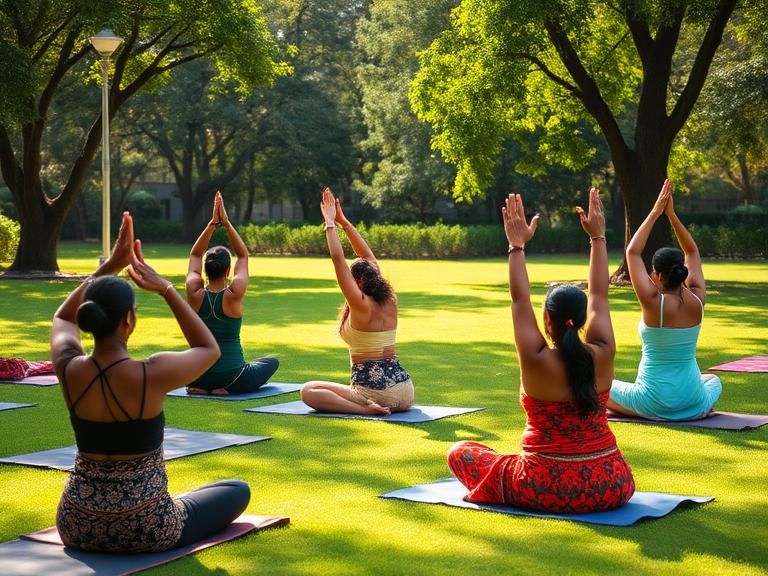
- Outdoor Yoga: Conducted in “Blue Spaces” like the Marina or “Green Spaces” like the Huddleston Gardens, utilizing nature to naturally lower cortisol levels.
- Trauma-Informed Yoga: Safe, choice-based practices designed for individuals healing from emotional or physical trauma, often found in specialized Adyar and Anna Nagar clinics.
- Online Yoga Classes: Virtual “Neurowellness” modules that allow practitioners to engage in nervous system “down-regulation” from the safety of their homes.
- Sound Healing Yoga: Combines asana with Himalayan bowls or Vedic chanting to use vibration as a tool for vagal toning.
What to Look for in a Good Yoga Class or Institute
When seeking somatic or nervous system-focused yoga in Chennai, look for these advanced quality markers:
- Trauma-Informed Training: Ensure the instructor understands the nuances of the nervous system and uses invitational language rather than authoritative commands.
- Small Batch Sizes: Somatic work requires a quiet, focused atmosphere; smaller groups ensure the instructor can provide the necessary emotional and physical holding space.
- Knowledge of Polyvagal Theory: A top-tier instructor should be able to explain how movements affect the “ventral vagal” state of social connection and safety.
- Environmental Sensitivity: The space—whether a studio or a park—should be low-stimulation to prevent sensory overload during nervous system repair.
- Credentialed Expertise: Look for instructors with specialized certifications in somatic movement, therapeutic yoga, or neurological wellness.
Who Benefits Most From Yoga Classes
“Neurowellness” yoga is particularly effective for specific groups in the Chennai metropolitan area:
- High-Pressure Professionals: IT leaders and corporate executives using somatic tools to recover from chronic burnout and “decision fatigue.”
- Women: Seeking whole-life longevity programs that prioritize emotional repair and hormonal balance.
- Beginners: Who find the gentle, non-judgmental nature of somatic movement more welcoming than high-intensity fitness classes.
- Individuals with Chronic Stress: Anyone struggling with anxiety, sleep disturbances, or digestive issues—all of which are regulated by the vagus nerve.
- Seniors: Using somatic awareness to maintain balance, prevent falls, and sustain cognitive-physical connection.
When Online or Outdoor Yoga Makes Sense
The choice between a digital or nature-based environment depends on your current “vagal state.”
Online yoga makes sense when your nervous system is in a “shutdown” or highly anxious state and you need the absolute safety and control of your home environment. It allows you to practice in familiar surroundings, which is a key component of feeling “safe” enough to engage in somatic release.
Outdoor yoga makes sense when you are seeking “Social Engagement” and co-regulation. Practicing in view of the ocean or under the canopy of ancient trees helps synchronize your biological rhythms with the environment. Outdoor Yoga Chennai excels in this, providing nature-immersed sessions that use the city’s natural beauty to facilitate deeper vagus nerve stimulation and emotional grounding.
The Science of Vagus Nerve Stimulation in Yoga
Understanding the physiological impact of your practice can enhance its effectiveness.
- Diaphragmatic Breathing: Deep belly breathing directly stimulates the vagus nerve as it passes through the diaphragm.
- Ocular Retraining: Gentle eye movements used in somatic yoga can help release tension in the suboccipital muscles, which are neurologically linked to the vagus nerve.
- Vocalizations: Chanting “Om” or simple humming creates vibrations in the throat that tone the auricular branch of the vagus nerve.
FAQs
What is somatic yoga?
Somatic yoga is a body-centered practice that focuses on internal physical perception and slow, mindful movements to release chronic tension and improve the mind-body connection.
How does yoga help with vagus nerve regulation?
Through specific breathing techniques, gentle neck stretches, and chanting, yoga can stimulate the vagus nerve, helping the body switch from a “stress” state to a “relaxation” state.
Where can I find somatic yoga classes in Chennai?
Specialized centers in Adyar, Mylapore, and Anna Nagar offer these sessions. Many practitioners also choose outdoor groups that focus on nervous system health.
Is somatic yoga good for anxiety?
Yes, it is one of the most recommended practices for anxiety as it helps the nervous system learn to feel “safe” again through gentle, embodied movement.
What is the vagus nerve?
The vagus nerve is the longest nerve in the autonomic nervous system, connecting the brain to the heart, lungs, and digestive tract. It is responsible for the “rest and digest” response.
Can I do somatic yoga online?
Absolutely. Online sessions are highly effective for somatic work because they allow you to practice in a controlled, private environment where you feel most comfortable.
How is somatic yoga different from Hatha yoga?
Hatha focuses on the external alignment of the pose, while somatic yoga focuses on the internal sensation and how the movement feels from within.
What are the signs of a ‘toned’ vagus nerve?
Improved digestion, a healthy heart-rate variability (HRV), better emotional regulation, and an easier time “winding down” after stress.
Does Outdoor Yoga Chennai offer somatic sessions?
Yes, Outdoor Yoga Chennai incorporates somatic cues and vagal toning techniques into their coastal and park-based sessions to maximize stress relief.
What should I wear for somatic yoga?
Wear soft, loose clothing that doesn’t restrict your breath or movement. The goal is to feel as comfortable and “un-contained” as possible.
How long does it take to see results from somatic yoga?
Many people feel a “shift” in their nervous system after just one session, though long-term rewiring of stress patterns typically takes 4–8 weeks of consistent practice.
Is somatic yoga safe for people with trauma?
Generally, yes. It is often taught as a trauma-informed practice, but it is important to inform your instructor so they can provide a safe and supportive environment.
Can children benefit from vagus nerve yoga?
Yes, simple humming and breathing exercises are excellent for helping children regulate their emotions and improve focus.
Do I need props for somatic yoga?
Standard props like blankets and pillows are often used to provide the body with a sense of “support,” which is crucial for nervous system down-regulation.
What is the ‘Polyvagal Theory’ in yoga?
It is a scientific framework that explains how our nervous system responds to safety and danger, and how yoga can help us move into a “ventral vagal” state of social connection.